
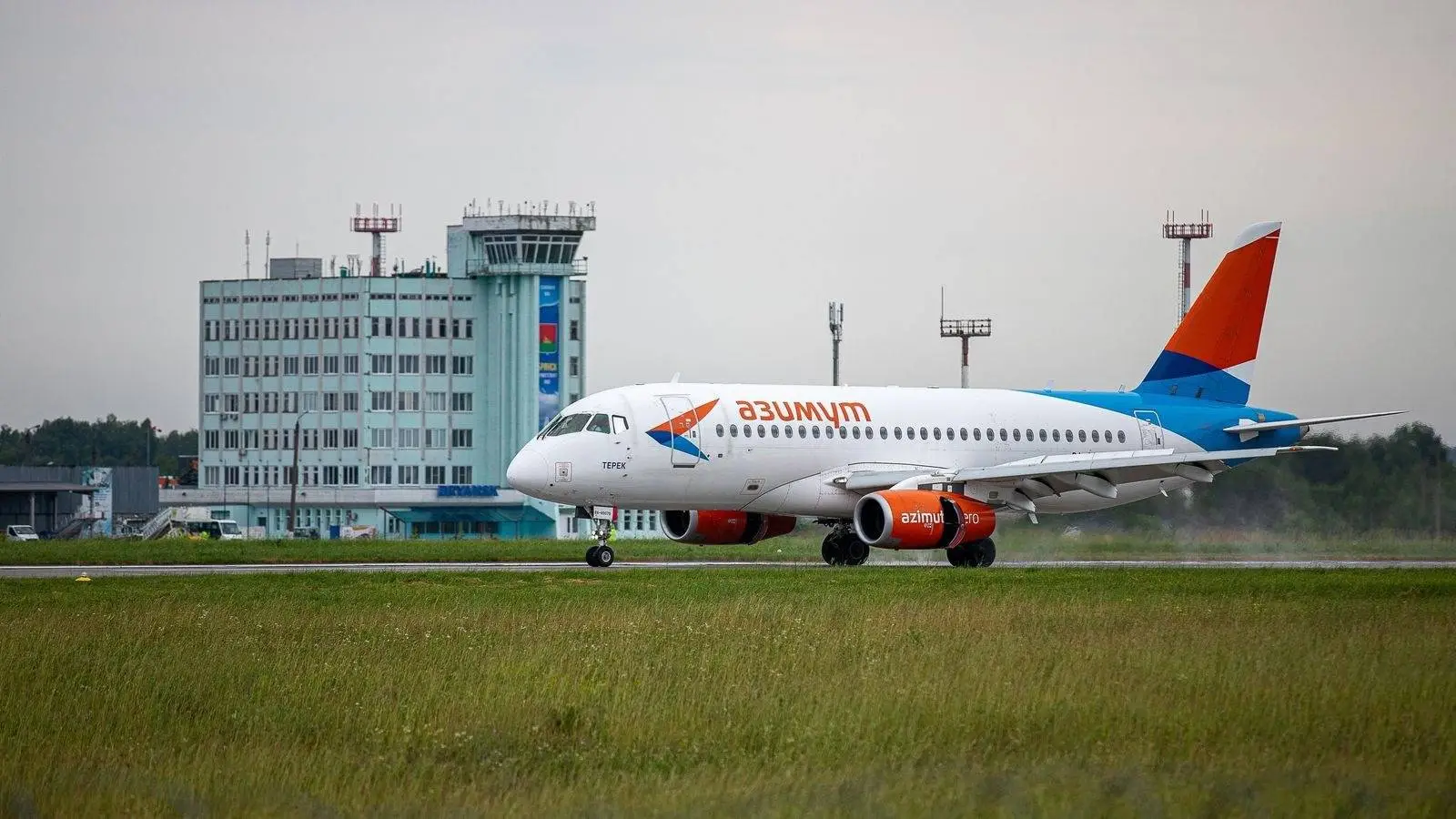
Practical tips for long-haul flights: choose the best seat, dress smart, stay hydrated, eat light, stretch on board, beat jet lag, and enjoy stress-free travel.
Long flights can feel like a challenge. With some thoughtful prep and a few dependable tricks, those hours can turn comfortable—sometimes even pleasant. Here are practical tips to help you avoid fatigue, stress, and unwelcome surprises in the air.
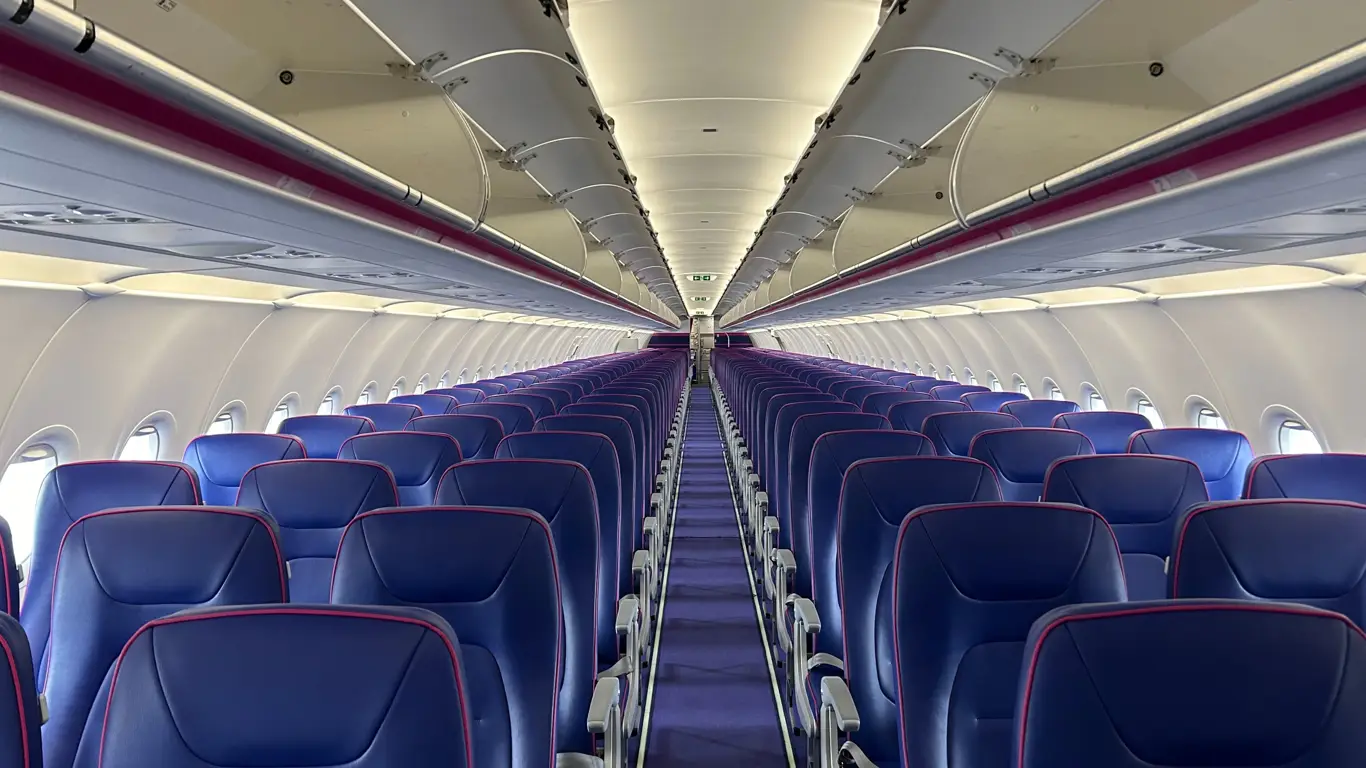
Before you check in online, choose the spot you truly want. If a window view matters or you prefer the aisle for easier get-ups, decide up front. Study the seat map and aim for a quieter area to cut noise and interruptions.
Comfort depends on several factors. Toward the front, turbulence is usually felt less.
Rows near the aircraft’s center tend to be steadier, as they sit closer to the center of gravity. Exit rows offer more legroom and are often less popular.
The aircraft type matters too. On large jets (like Boeing 747 or Airbus A380), the rear can be noisier because of the engines. On smaller planes (such as Embraer or Bombardier), front rows are often quieter.
For long-haul journeys, extra-legroom seats or wider rows are a smart pick when available. Personal priorities count: if you want to disembark quickly, sit closer to the exit; if a window seat or proximity to other passengers is important, factor that in.
If flying makes you uneasy or you’re prone to claustrophobia, an aisle seat can feel more freeing.
Ideally, check the exact cabin layout on the airline’s website when booking. A little scouting beforehand pays off with a more comfortable ride.
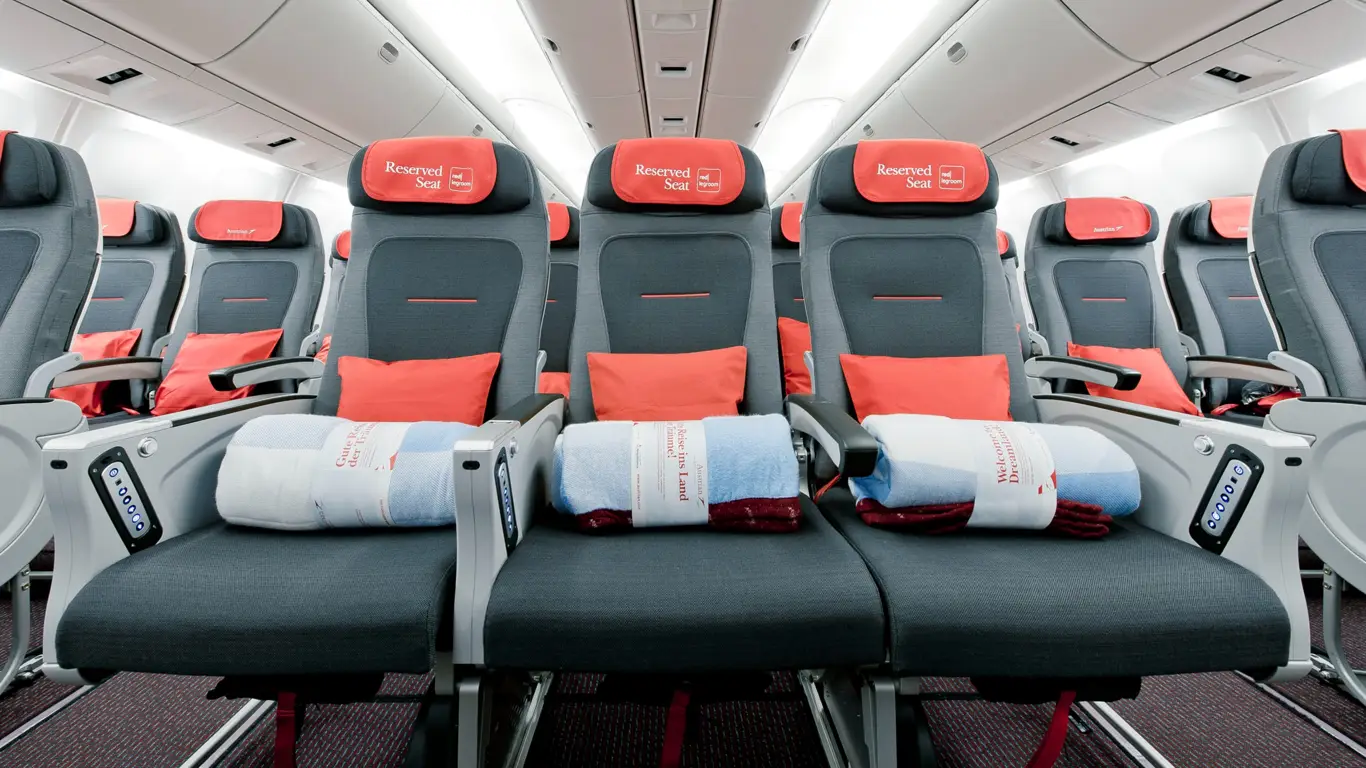
Dress for easy comfort. Soft, breathable fabrics—cotton or linen—work well for hours of sitting.
Cabin temperatures fluctuate. Layering lets you add or remove pieces as the air gets cooler or warmer.
Pick shoes that slip on and off easily, especially for security screening. Avoid lots of metal details that slow you down. Clothes shouldn’t restrict movement, particularly on long flights.
For very long journeys, consider compression socks or garments to support circulation and reduce thrombosis risk. If you visit the restroom often, choose clothing that’s easy to take on and off.
Cabin floors can be cold, and chilled feet don’t help. Pack warm, loose socks without tight elastic.
The idea is simple: choose outfits that handle long sitting, adapt to temperature swings, and don’t add discomfort.
Pack the basics: a toothbrush and toothpaste, wet wipes, and a hand sanitizer.
Dry cabin air can be tough on skin. To prevent cracking, use moisturizer on your face, hands, and lips. It can bother eyes too—if you usually wear contacts, switch to glasses on board and bring lubricating drops.
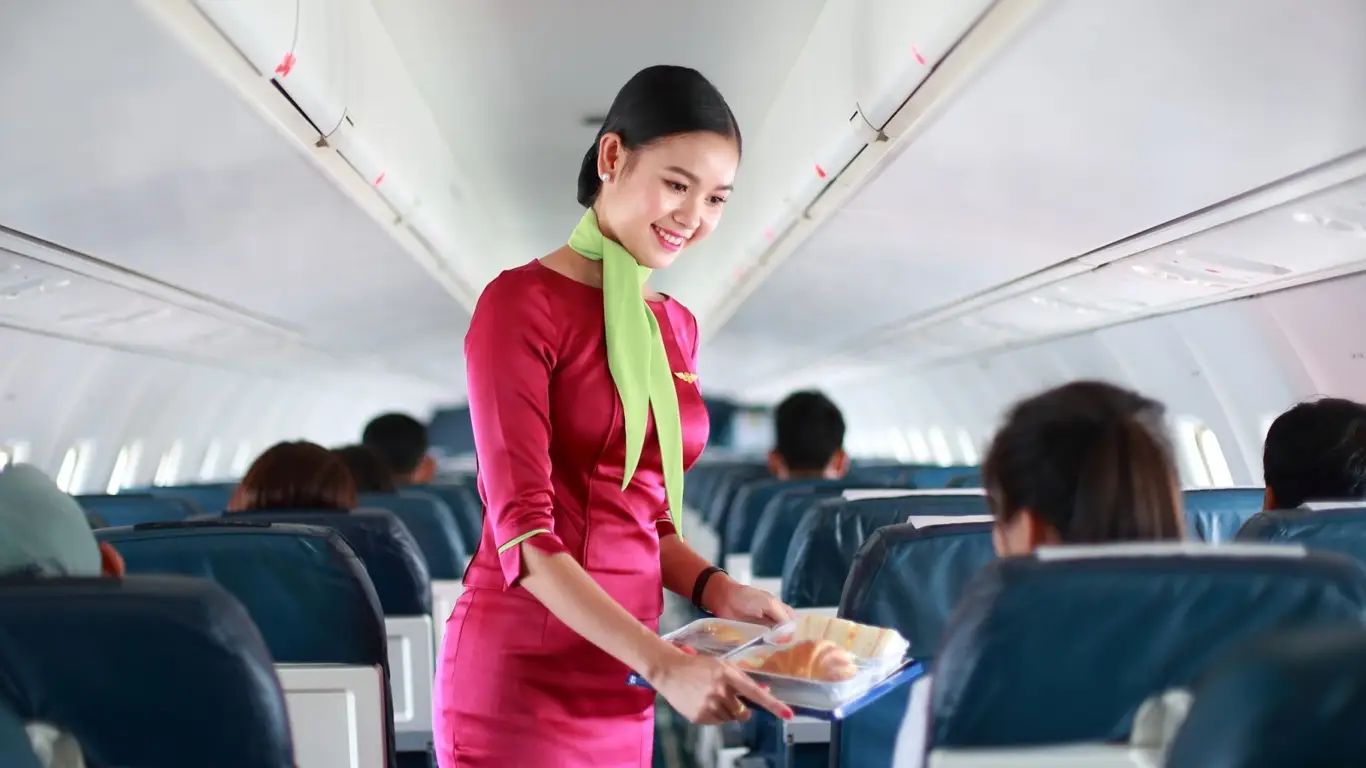
What you eat and drink sets the tone for the flight. Choose light, easy snacks like fruit (apples, pears, bananas), nuts, dried fruit, or crisp vegetables such as carrots and celery.
If you want something more filling, try sandwiches with lighter fillings, like chicken or tuna with vegetables. Avoid heavy meals that can cause discomfort in a pressurized cabin.
As for drinks, sip water regularly to avoid dehydration. In dry, pressurized air, water is essential.
If you opt for the airline meal, consider choosing something you haven’t tried before. Rest the bread and butter on the hot entrée lid to warm them. And don’t force down what you don’t enjoy—many airlines now let you pre‑order meals well ahead of the flight.
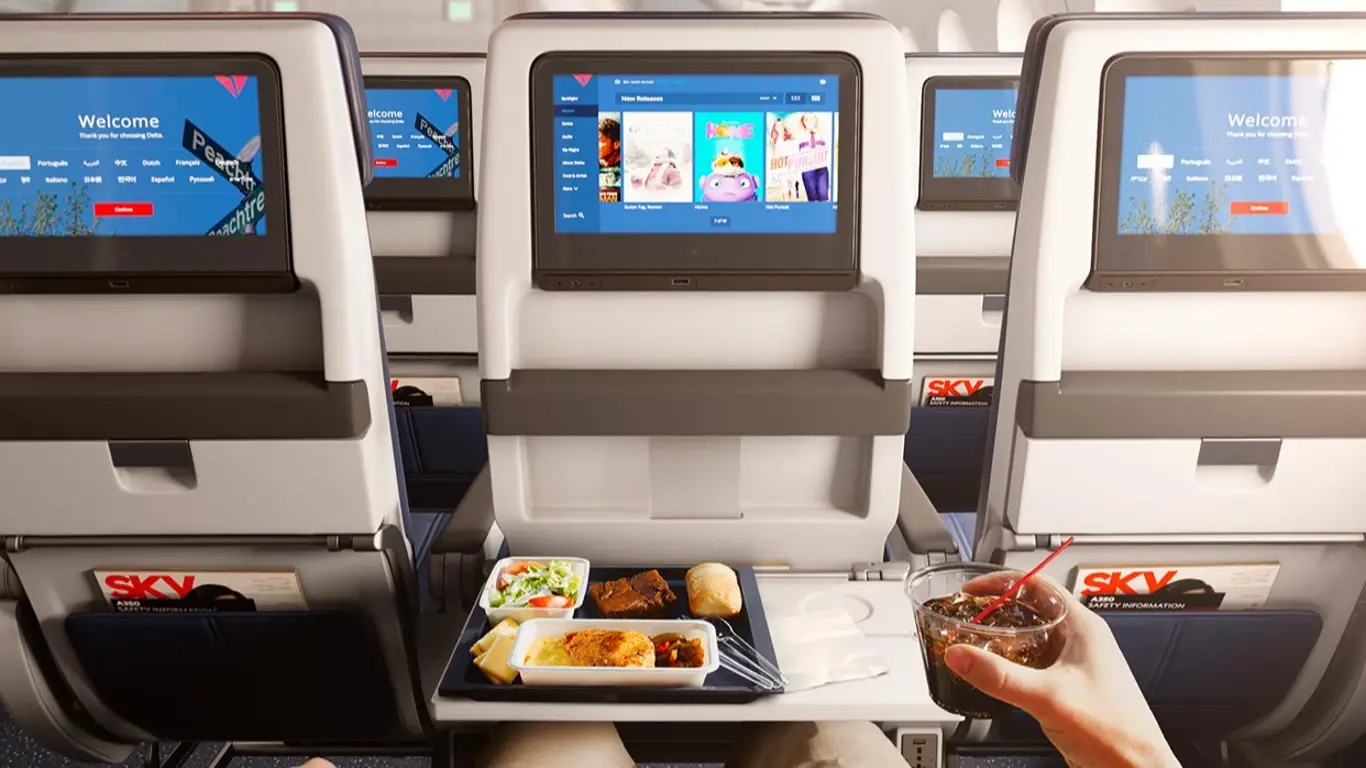
The right entertainment makes the hours pass easier. Fully charge your phone, tablet, or laptop beforehand and bring headphones—noise-canceling if you have them.
Download films or series in advance. Airlines often offer a wide selection on board, but your own picks guarantee you’ll enjoy what you watch.
If you like to read, bring a book or download a few e‑books. Audiobooks are great for long flights, especially when it’s hard to focus on text.
If you enjoy games, load a few that don’t require internet. A playlist of favorite tracks helps you relax, and podcasts or radio‑style shows are an easy way to discover something new mid‑flight.
Paper options—crosswords, sudoku, other puzzles—work well if you prefer something classic.
A mix of activities keeps boredom at bay and makes the trip feel shorter, which matters on long hauls.
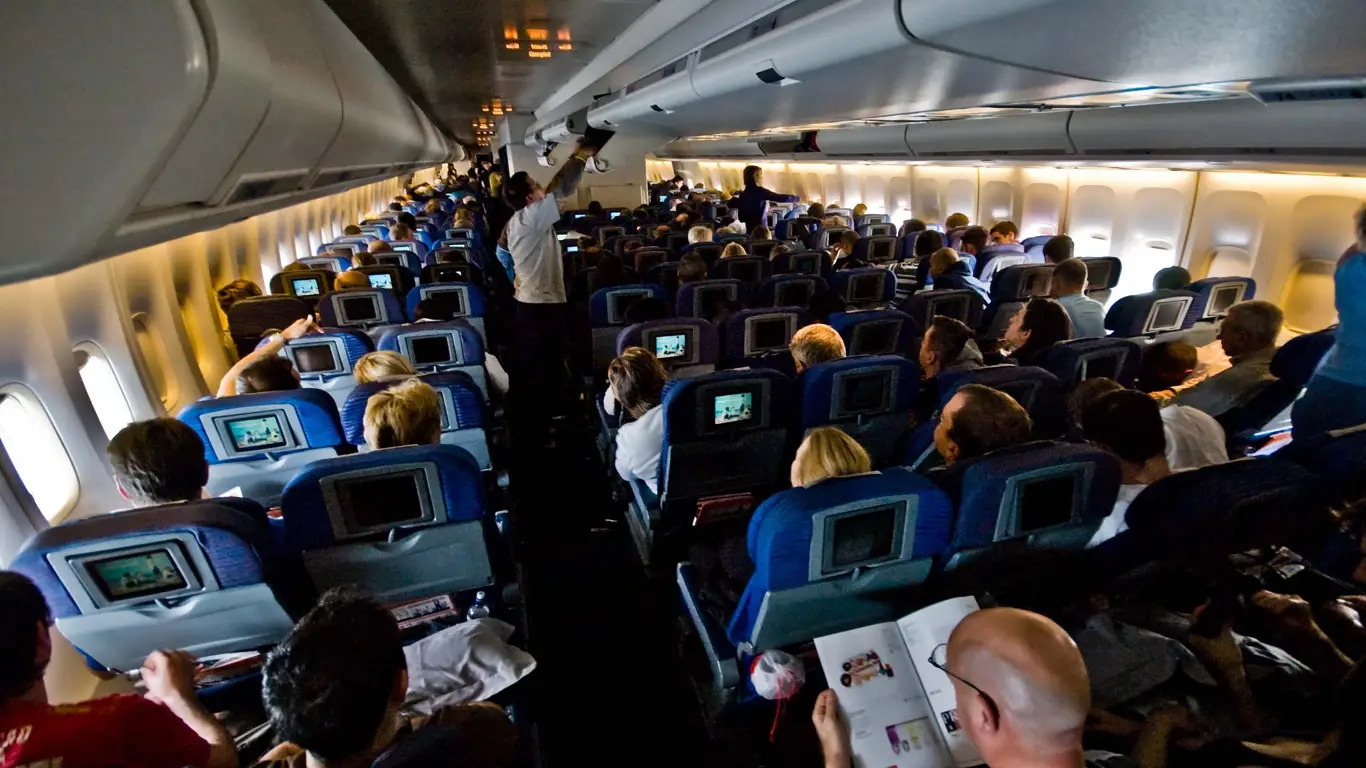
Regular movement and gentle stretching make a difference. Take short aisle walks when it’s safe and allowed—every couple of hours is a good rhythm. This supports circulation and helps prevent fluid buildup in your legs.
While seated, rotate ankles and calves to improve blood flow and reduce swelling. Add light stretches for neck and back: turn your head left and right, tilt it forward and back, and roll your shoulders.
Loosen hands and forearms by clenching and relaxing your fists. It boosts circulation and eases tension after long periods of sitting. Practice deep, steady breathing to maintain oxygen levels, reduce stress, and improve overall comfort.
Use a small lumbar pillow or a neck support to keep posture in check and take pressure off your neck and back. Keep drinking water regularly to avoid dehydration and help your body handle the altitude.
These simple routines, done every hour or two, cut discomfort and fatigue and support your physical and mental well‑being throughout the flight.
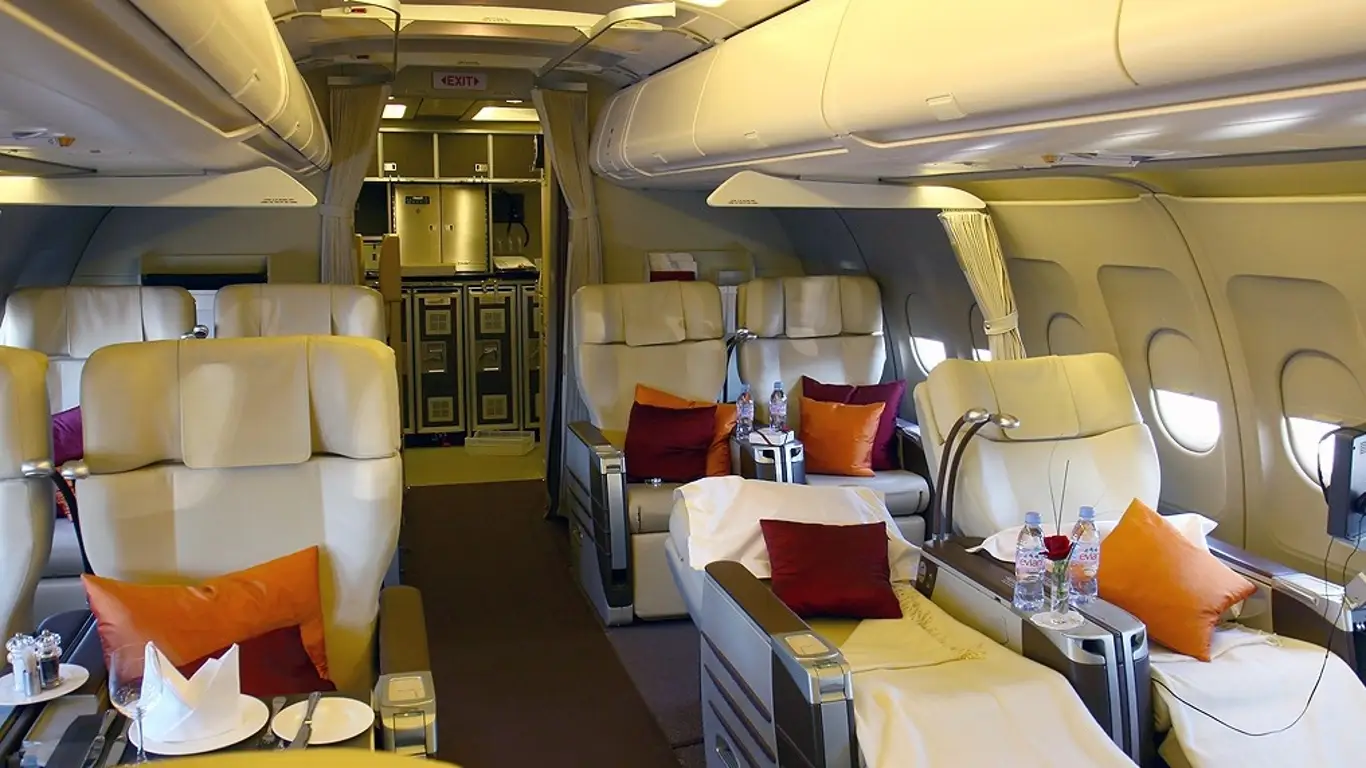
Try syncing your sleep–wake routine with the destination time zone in advance to soften the impact of a long flight.
Following these tips can make a long journey more comfortable and genuinely pleasant. A bit of preparation—and tailoring choices to your preferences—goes a long way toward a smoother, safer trip.