
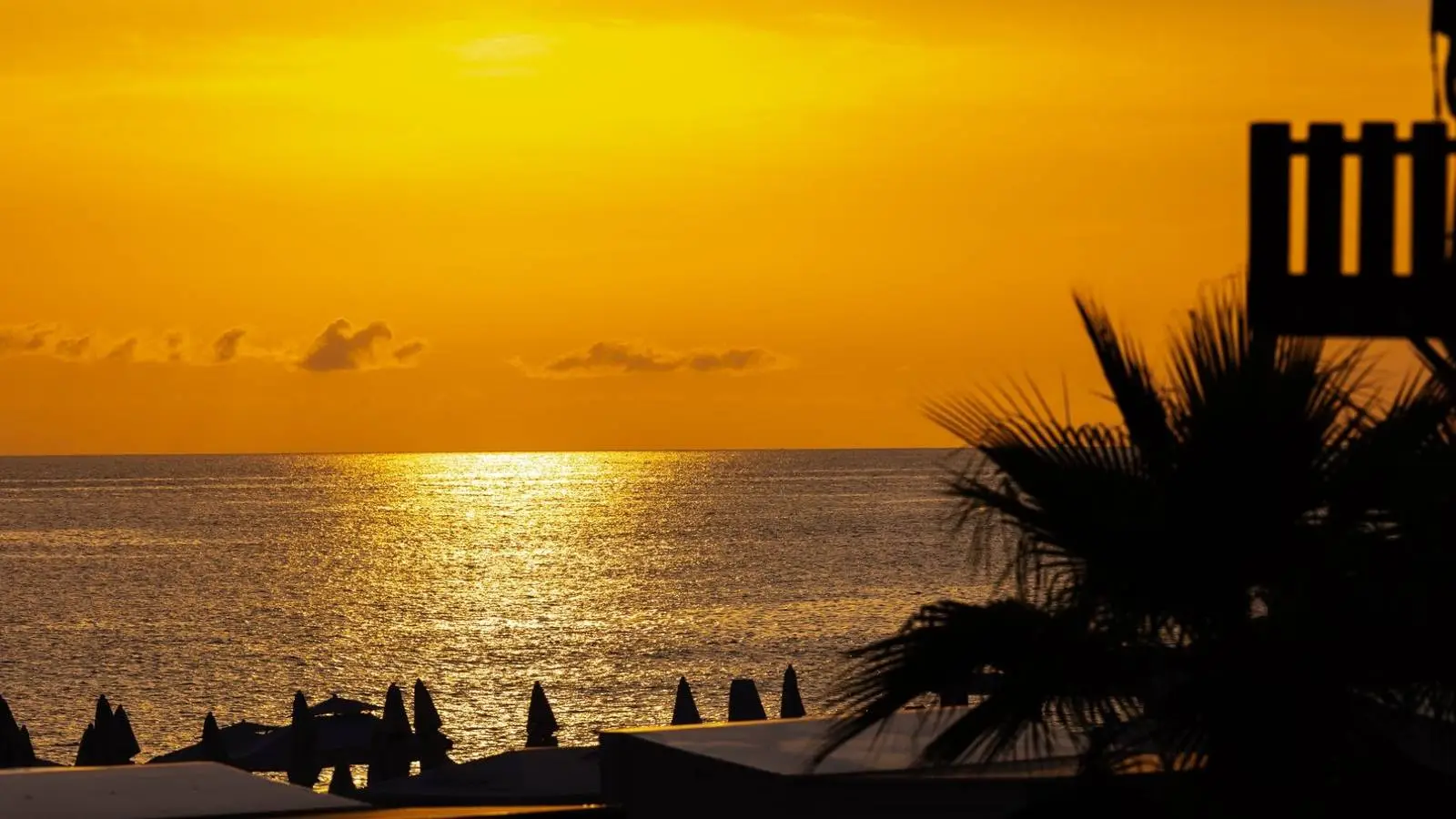
Plan your dream beach escape with our guide to 12 of the world’s best beaches. See what makes them special, what to do, and how to get there. Global favorites.
Dreaming of a seaside escape where the sand dazzles and the water is so clear you can spot every shell on the bottom? Across the globe there are shores that feel close to paradise—places to unwind, explore otherworldly landscapes and peer into vibrant underwater worlds. From hidden coves tucked between granite boulders to long palm-lined crescents, the world’s finest beaches captivate with beauty and variety.
In this guide, we set off to a dozen standout beaches where everyone can find their perfect slice of coast. What makes them special, what you can do there, and how to reach them—all in one place. Consider it a well-timed nudge to plan that seaside holiday you keep promising yourself.
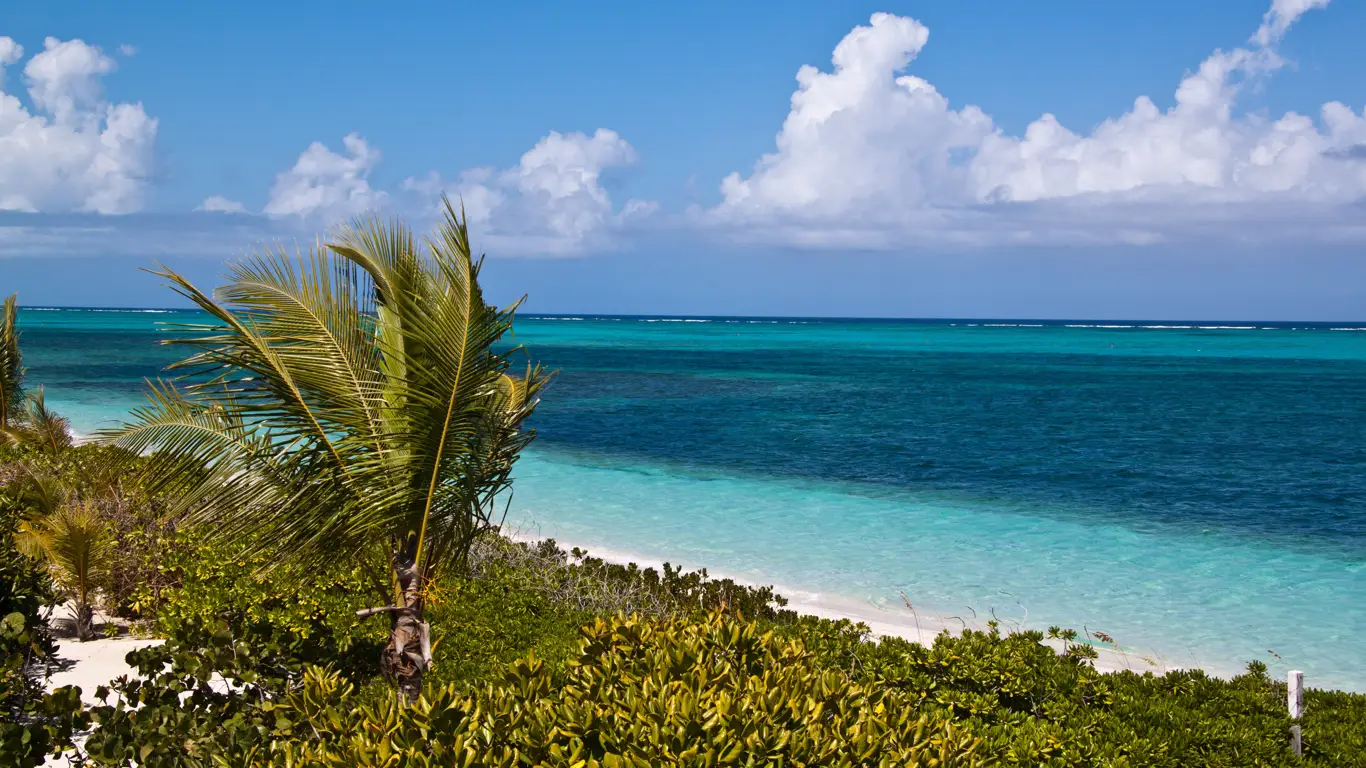
Set on Providenciales in Turks and Caicos, Grace Bay is widely regarded as one of the world’s most beautiful beaches. Stretching for roughly 19 kilometers, it pairs powder-white sand with crystalline turquoise water—an instant postcard. The luminous color comes from shallow depths and protective coral reefs that also temper the surf.
Those reefs double as a natural playground for snorkeling and diving while shielding the shoreline from erosion and strong currents. Expect coral gardens, tropical fish and plenty of marine life. Kayaking, paddleboarding, windsurfing and sailing all shine here, with calm water welcoming even first-timers.
Upscale resorts and boutique hotels line Grace Bay, offering polished service, beach clubs, spas and dining with sea views. It’s the kind of beach that sets the standard for a laid-back luxury escape.
Getting there: The closest gateway is Providenciales International Airport (PLS), with flights from the US, Canada and Europe. From the airport, taxis, rental cars or hotel transfers make for an easy hop to Grace Bay.
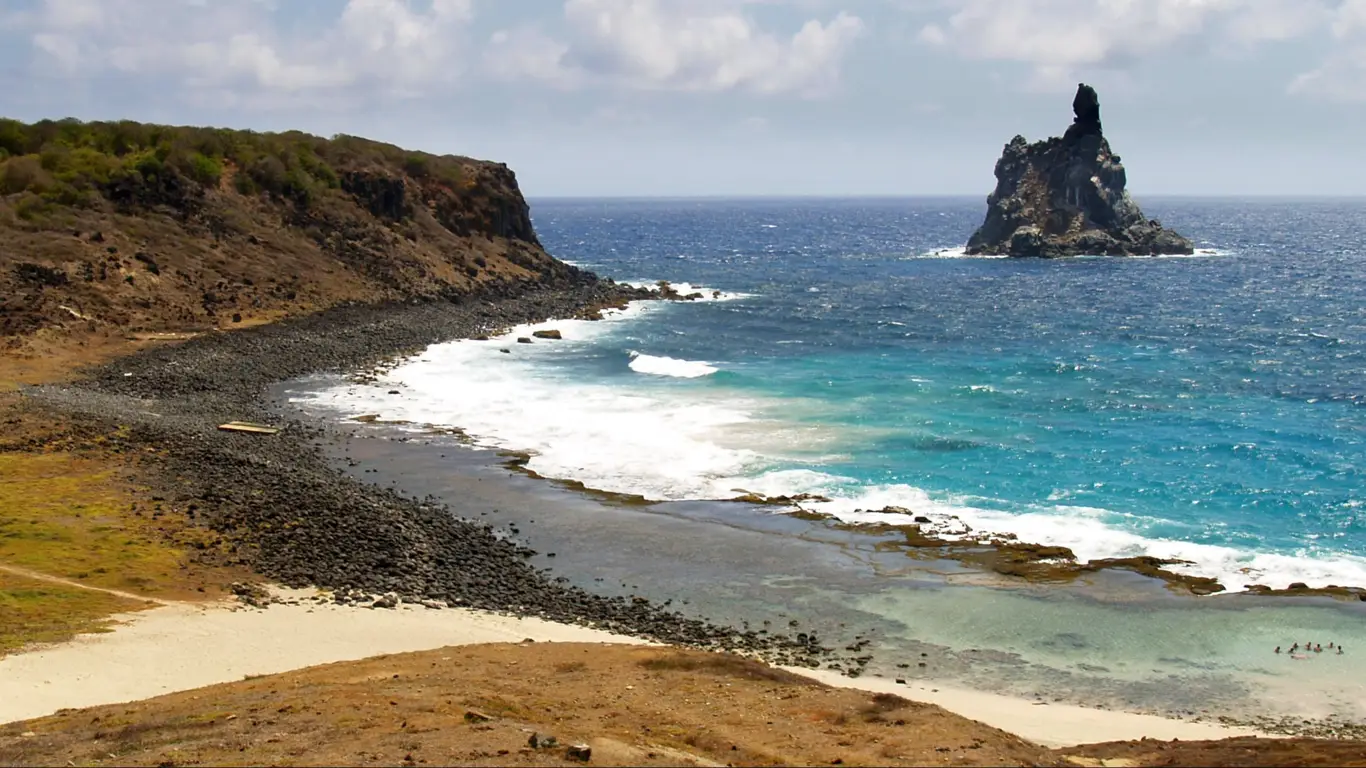
Baía do Sancho sits on the Fernando de Noronha archipelago, about 354 km off Brazil’s coast. It regularly tops “best beach” lists for its raw beauty, crystalline water and rare sense of seclusion. Framed by cliffs and thick greenery, it feels tailor-made for anyone seeking an unspoiled hideaway.
Tropical forest backs the bay, while the water hosts a lively cast of marine residents—tropical fish, sea turtles and even dolphins. As part of a Marine National Park, the area’s unique ecosystem benefits from strong protection.
Snorkeling and diving here are hard to beat: clear visibility and rich sea life mean coral, colorful fish, turtles and even sharks can make an appearance.
Because it’s a protected area, you won’t find large hotels or restaurants on the beach—part of why its wild charm endures. Basic facilities like showers and toilets are available.
Getting there: Fly to Fernando de Noronha Airport (FEN) from major Brazilian cities such as Recife and Natal. From the airport, taxis, rental cars and the island bus reach access points; the beach itself is reached on foot or by boat.
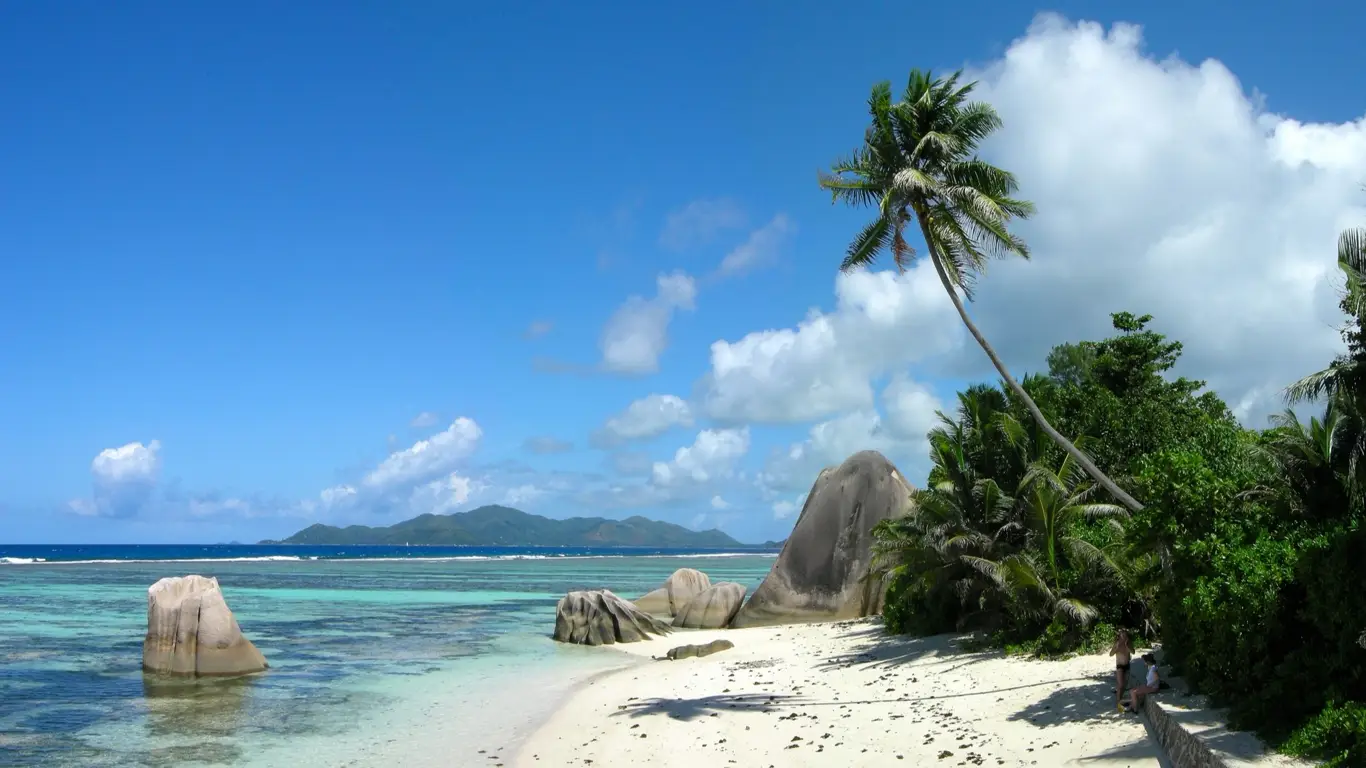
On La Digue in the Seychelles, Anse Source d’Argent might be the most photographed beach on the planet. Think giant granite boulders, soft white sand and glassy, shallow water that together stage almost surreal scenes. It’s often cited among the world’s best for its striking look and exotic setting.
Those smooth, sculptural boulders spill into the sea and carve out photogenic coves and lagoons. It’s no wonder so many travelers (and wedding photographers) plan entire shoots around this shoreline.
Tropical forest and coconut palms add dappled shade and an easygoing vibe. Snorkeling is a highlight: the shallow, ultra-clear water makes it simple to spot coral and bright reef fish.
Getting there: Fly into Seychelles International Airport on Mahé, then connect by ferry via Praslin to reach La Digue. Once there, bikes and ox-carts are the go-to transport. Renting a bicycle is the easiest way to reach the beach.
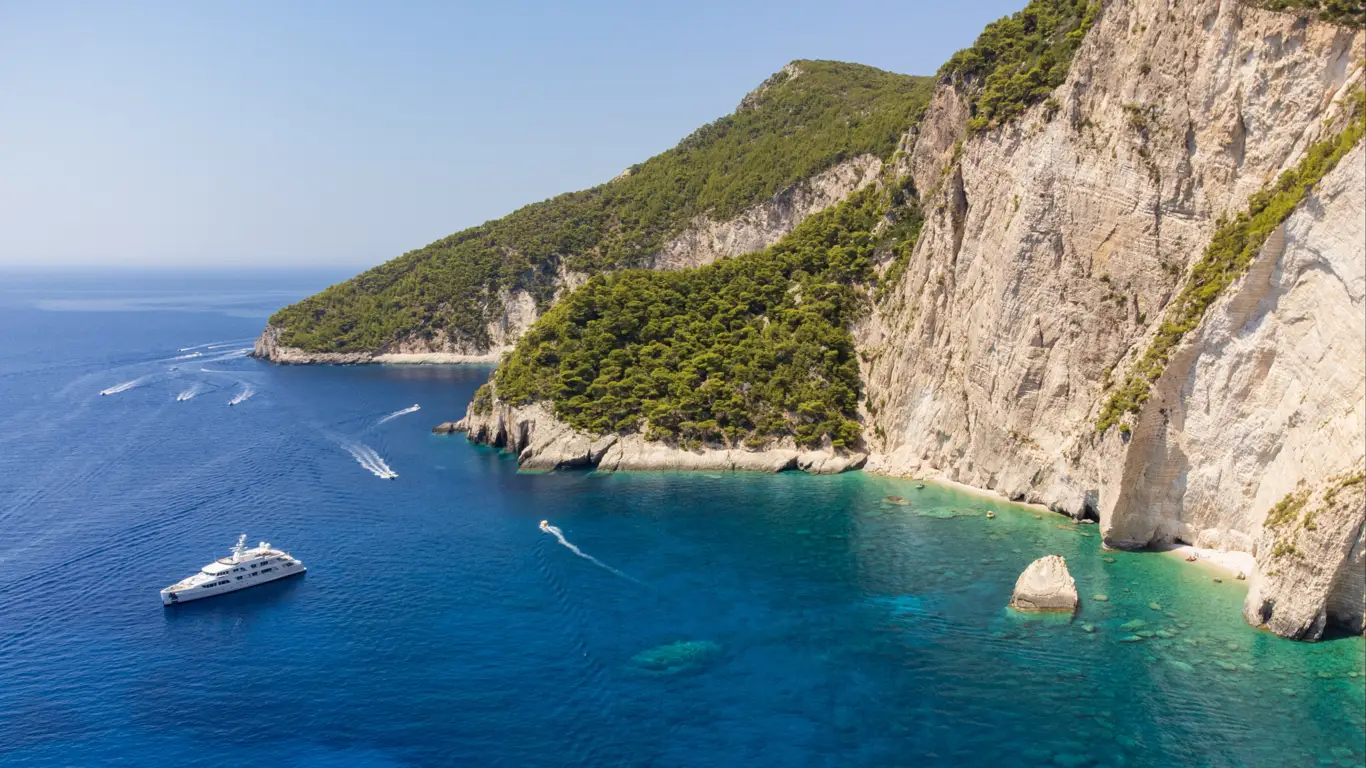
Navagio Beach, better known as Shipwreck Beach, lies on Zakynthos in the Ionian Sea. Its fame comes from the rusting remains of the smuggler ship “Panagiotis,” washed ashore in the 1980s. Hemmed in by soaring limestone cliffs and accessible only by sea, it draws crowds for its dramatic scenery.
The encircling white cliffs lend an otherworldly feel and shelter the cove from winds and waves, creating calm, inviting water for a swim.
The ship’s steel skeleton sits right on the sand, turning the beach into an open-air time capsule and one of Zakynthos’s most recognizable sights.
Between the teal water, sheer cliffs and famous wreck, Navagio is one of Greece’s most photographed places—and for good reason.
Getting there: Fly into Zakynthos International Airport (ZTH) from Athens and major European cities. From the airport or island towns, head to ports where boats depart for the beach. Buses, taxis and rental cars are common ways to get around Zakynthos.
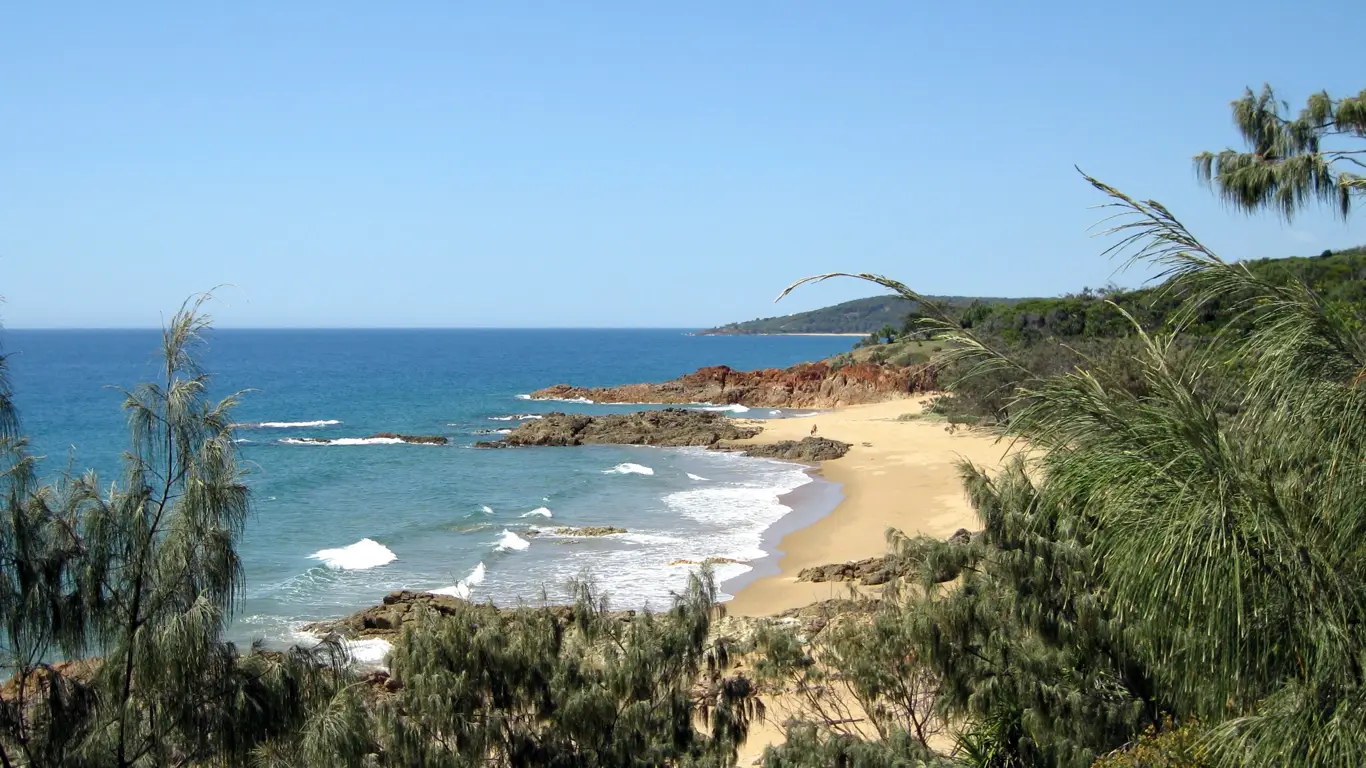
On Queensland’s Whitsunday Island, Whitehaven Beach routinely ranks among the world’s most striking stretches of sand. Seven kilometers long and part of the Great Barrier Reef, it’s known for brilliant white silica sand and limpid water—ideal for unhurried days and low-impact water play.
The sand is about 98% pure silica, which explains its dazzling hue and the unusual cool feel even under hot sun. Tides swirl patterns through the sandbanks, leaving mesmerizing marbled designs at the water’s edge.
Fringed by lush greenery and mangroves, the beach is shallow and calm—great for swimming. As a protected zone, motorized water sports aren’t allowed, keeping the mood pleasantly tranquil.
Simple picnic facilities with wooden tables and benches make it easy to linger and soak in the scenery.
Getting there: Fly to Hamilton Island Airport (HTI) from major Australian cities like Sydney, Melbourne and Brisbane. Whitehaven is reached by sea or air only—think charter boats, seaplanes and popular day tours that include time on the beach.
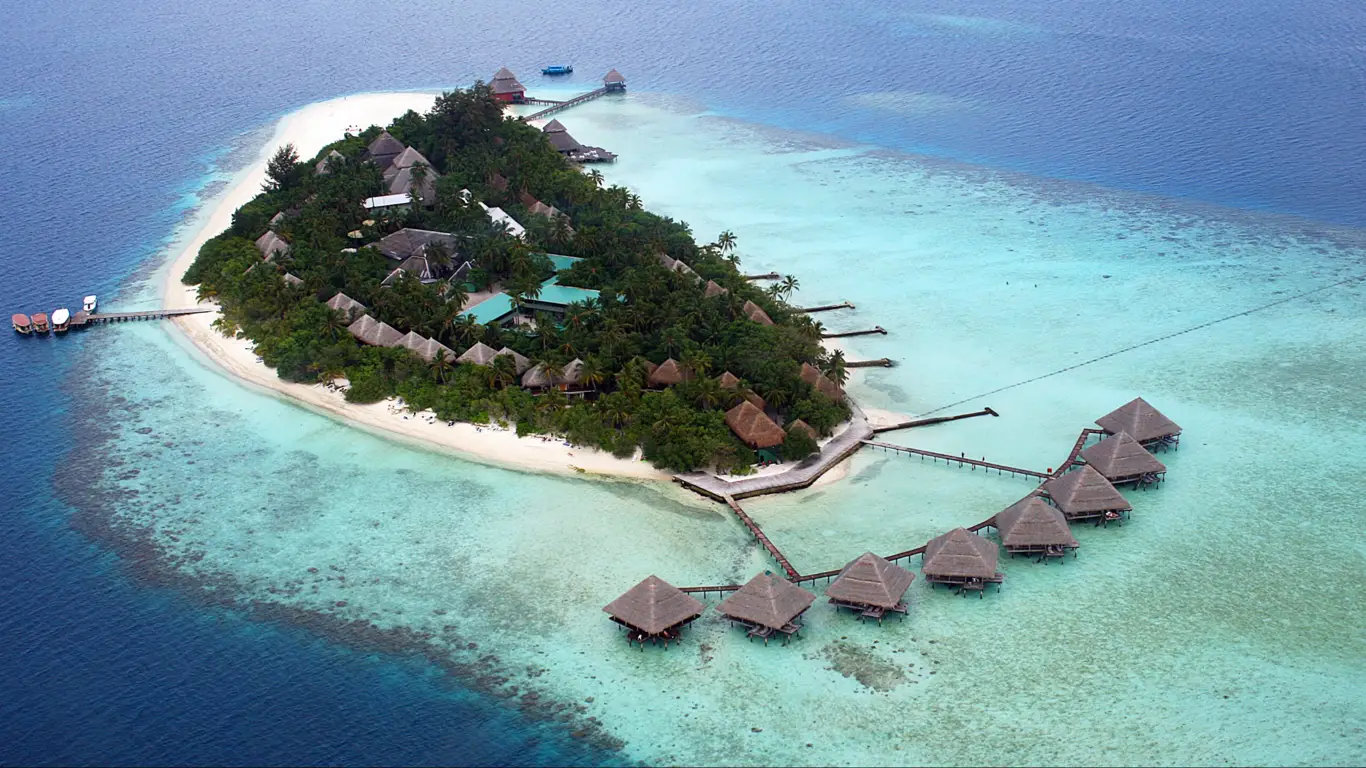
The Maldives are synonymous with showstopping beaches: chalk-white sands and a thousand shades of turquoise draw travelers from all over. Whether you want hush-quiet relaxation, an indulgent honeymoon or time in the water, the islands deliver.
Sand here is made of finely ground coral, which is why it’s so white and soft. The water is famously clear, with that luminous blue-green that shifts with depth and light.
Most islands are ringed by coral reefs that form natural lagoons—calm swimming pools that are perfect for snorkeling and help protect the shoreline from bigger swells.
Romance comes easily: candlelit dinners on the sand, symbolic ceremonies and slow sunsets feel like they were designed for two. Resorts also arrange excursions such as visits to neighboring islands, fishing trips, sunset cruises and rides in glass-bottom boats.
Getting there: Velana International Airport (MLE) near the capital Malé is the main entry point, with flights from major cities in Asia, Europe and the Middle East. Transfers to resorts are by seaplane, domestic flight or speedboat, depending on distance—most properties arrange the connection for guests.
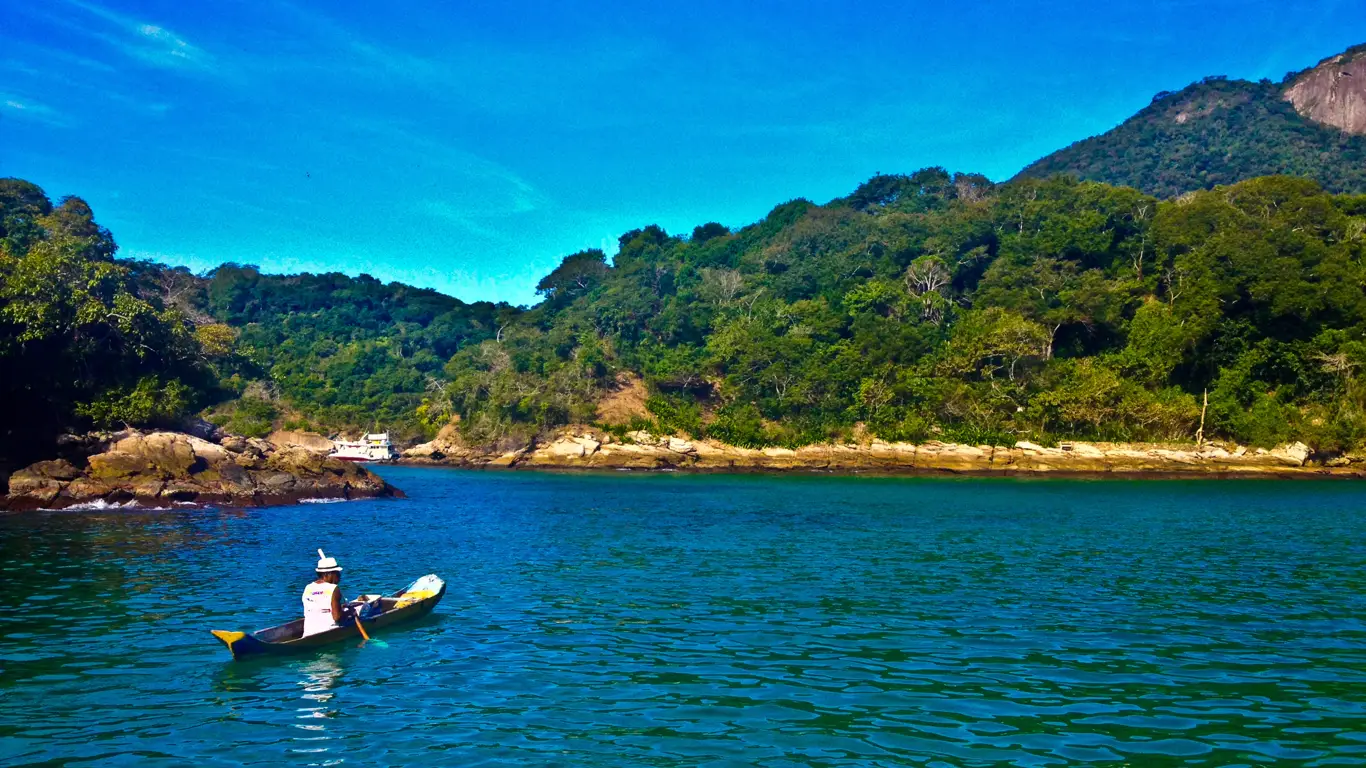
On Brazil’s Ilha Grande off Rio de Janeiro state, North Beach (Praia do Norte) is one of the island’s most secluded and scenic shores. Ilha Grande’s calling cards—untouched scenery, dense rainforest and clear water—make it a favorite for eco-travelers and nature lovers.
Thick tropical vegetation frames the sand with shade from tall palms and exotic plants. In the shallows, keep an eye out for tropical fish, turtles and the occasional dolphin—catnip for snorkelers and anyone with a mask and fins.
Calm, clean water and gentle shallows make swimming easy, even for children. The clear visibility and marine life up the appeal for snorkeling and diving, with coral areas to explore nearby.
Local life often revolves around fishing, and visitors can sometimes join in and sample the freshest possible catch.
As part of a protected area, North Beach has little in the way of built-up infrastructure—no cafés, loungers or public facilities. Bring water, snacks and sun protection.
Getting there: Fly into Rio de Janeiro (GIG), then continue to Angra dos Reis or Conceição de Jacareí for boats to Ilha Grande. On the island, travel is by boat or on foot. From the main port of Vila do Abraão, reach North Beach by boat or along forest trails.
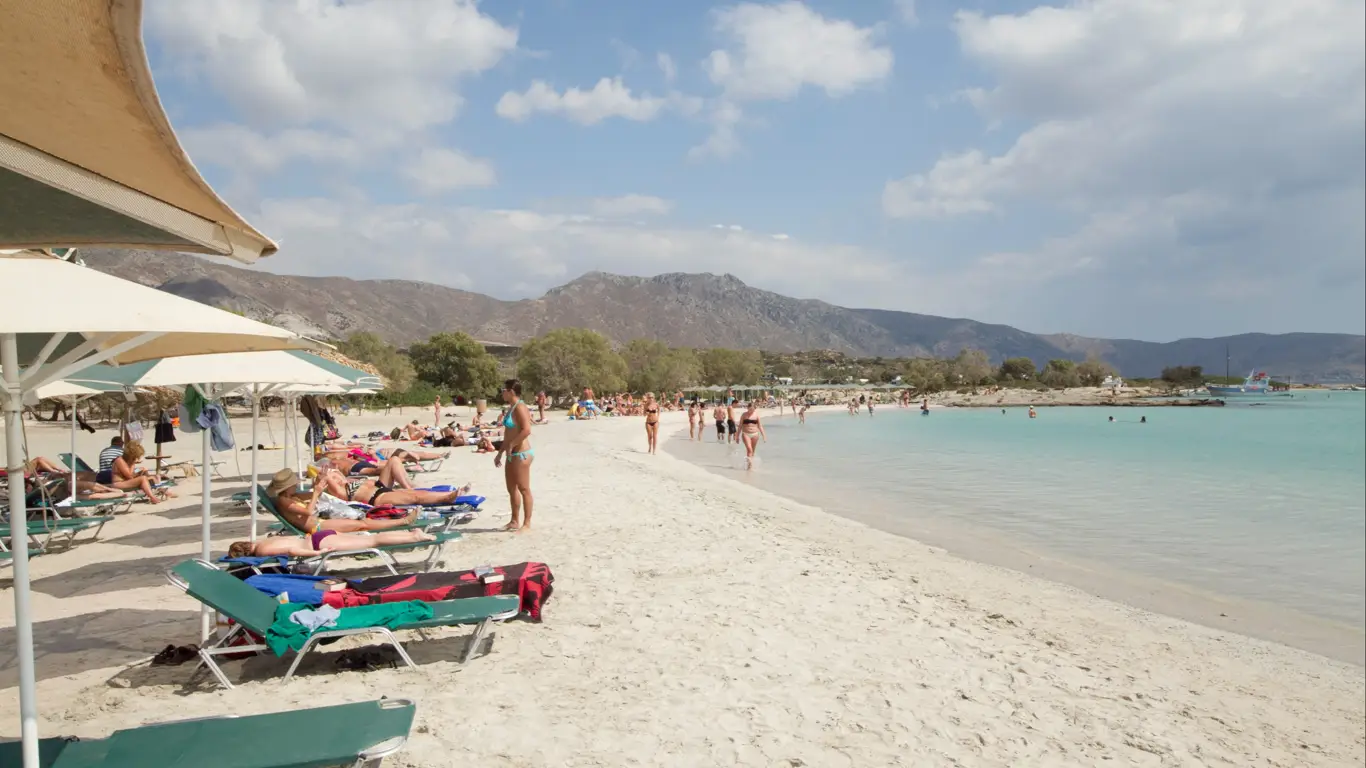
On Crete’s southwest coast, Elafonisi is famous for its pink-tinted sand, shallow lagoons and ultra-clear water. Technically a small islet that connects to the mainland at low tide, it creates a landscape that feels wonderfully distinctive.
The rosy hue comes from ground-foraminifera shells that mix with the white sand, creating a shimmering pink-and-ivory palette. Add luminous blue water and you get a beach made for long swims and lazy floats.
Warm, protected lagoons make this an easy choice for families and anyone seeking gentle water. Dunes and rare vegetation—including cedars and tamarisks—give the area a natural, tucked-away feel.
Comforts like loungers, umbrellas, showers and restrooms are available, along with a few simple cafés and kiosks. Nearby, small hotels and guesthouses provide relaxed stays; you can also base in larger towns and day-trip here.
Getting there: The nearest international airport is in Chania (CHQ). From there, drive a rental car or take a bus. Regular services run from Chania and other major Cretan towns, and taxis or rental cars offer more flexibility.
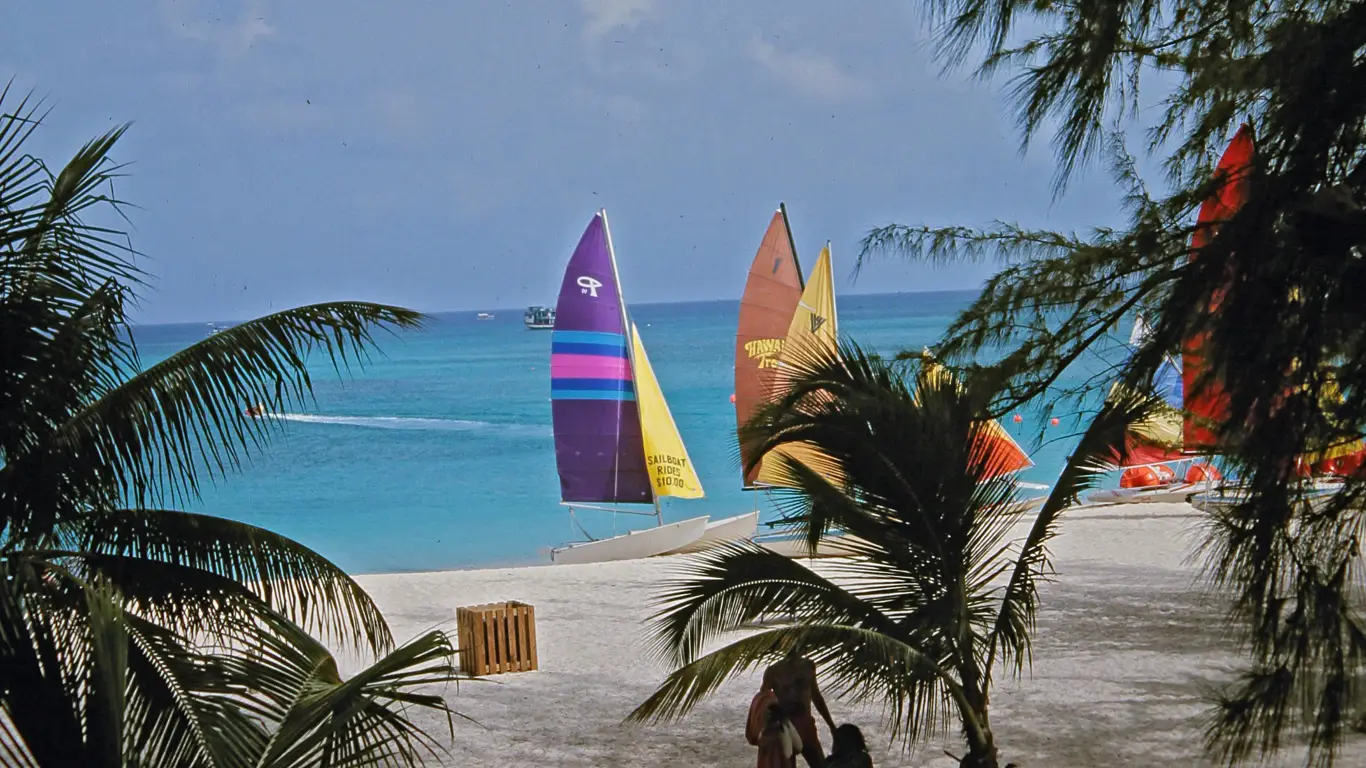
On Grand Cayman’s west coast, Seven Mile Beach is a perennial crowd-pleaser. Despite the name, it runs about 6.3 miles (roughly 10 km), with fine white sand, see-through water and endless ways to fill a sunlit day.
Palm trees and tropical greenery line a broad, gently shelving shore that’s perfect for strolling. Warm, calm water makes swimming a joy and keeps things kid-friendly.
Offshore reefs invite snorkeling and diving, with plentiful tropical fish and marine life. On the surface, you’ll find kayaking, paddleboarding, parasailing and water-skiing, with outfitters on hand for gear and lessons.
High-end resorts and hotels dot the beachfront, offering polished service, spas and private stretches of sand—names like The Ritz-Carlton, Westin and Marriott all make an appearance. Tour operators run sunset cruises, fishing trips, dolphin encounters and glass-bottom-boat outings.
Getting there: Owen Roberts International Airport (GCM) in George Town serves flights from the US, Canada, the UK and the wider Caribbean. From the airport, taxis, rental cars and public transport reach Seven Mile Beach in minutes.
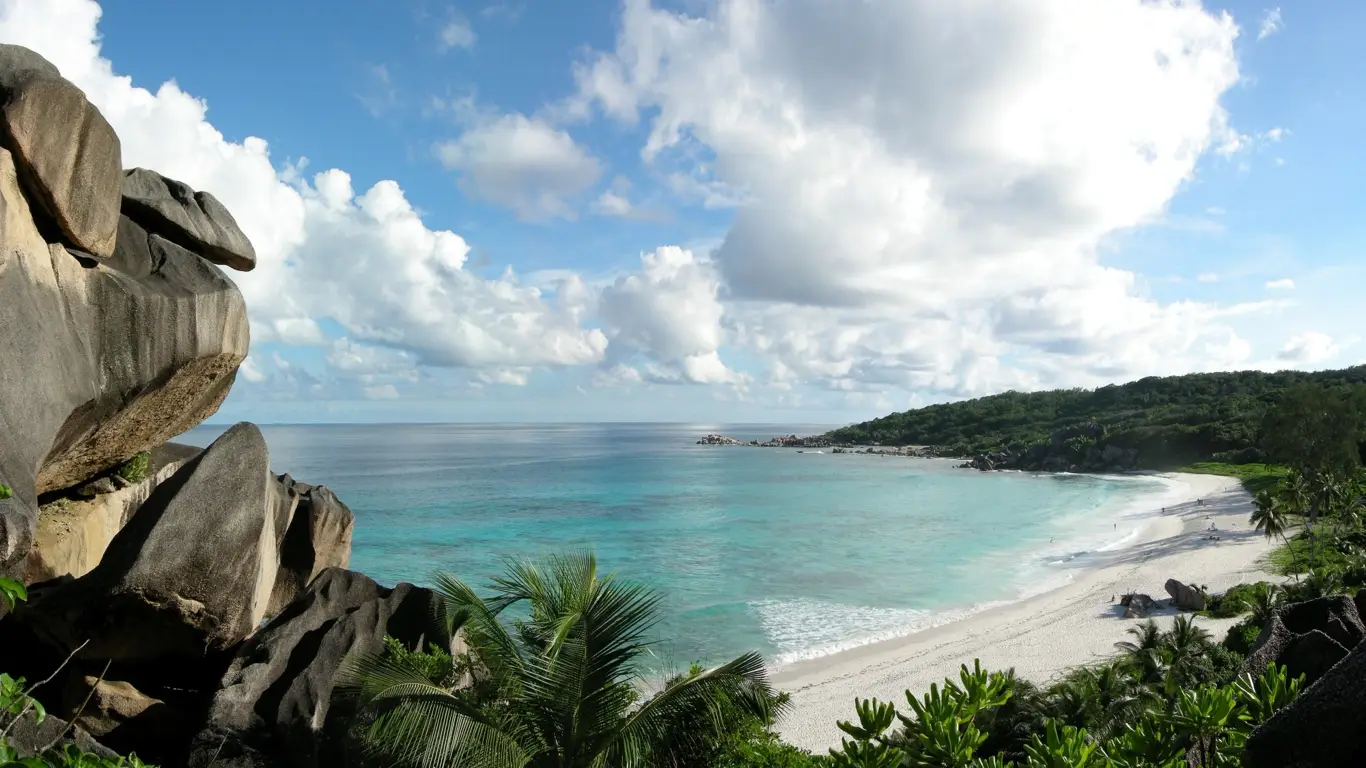
On Praslin, Anse Lazio pairs velvety white sand and gin-clear water with those signature Seychelles granite boulders. It regularly features among the world’s top beaches for its natural drama and serene feel.
Huge, smooth granite rocks bracket the beach, sculpting coves and lagoons. Behind the sand, tropical greenery—coconut palms and takamaka (sea almond trees)—adds shade and an unmistakable island mood.
Snorkeling is a treat thanks to transparent water and a lively reef community—expect colorful coral and tropical fish. Trails in the area make for scenic walks, and local fishers offer trips where the day’s catch becomes dinner.
Stays nearby range from small hotels to villas, with larger island resorts an easy drive away for those planning day trips.
Getting there: Fly to Praslin Airport (PRI) from Mahé. From the airport, taxis or rental cars reach Anse Lazio in around 30 minutes; buses also connect parts of the island.
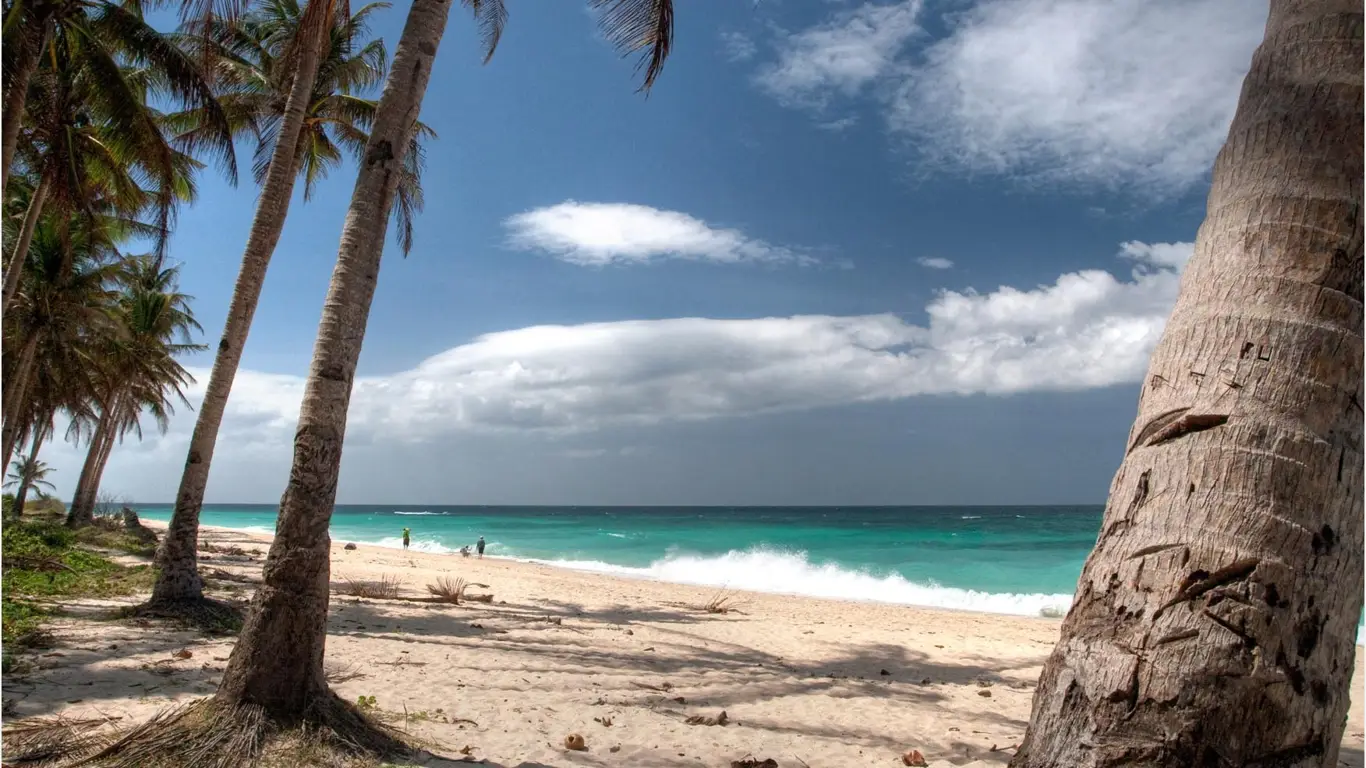
Lankai—also known as Puka Shell Beach—sits on Boracay and wins fans for its raw beauty, quieter vibe and the tiny shells that blanket the shore. It’s less crowded than the island’s famous White Beach, which makes it a go-to for unhurried hours by the sea.
The sand here is coarser, mixed with small shells that give it a distinctive look and texture. The water is clean and clear, glowing in shades of blue that invite long swims.
The beach takes its name from the puka shells that wash up in abundance. They’re a favorite for souvenirs and hand-made jewelry.
With no strong currents to worry about, families find it especially easy-going. Snorkeling is popular too, with fish and other marine life often right off the beach.
Small stalls line parts of the shore, selling local crafts, shell jewelry and simple keepsakes.
While there aren’t large hotels right on the beach, Boracay offers stays for every budget across the island.
Getting there: The nearest airport is Caticlan (MPH), also known as Godofredo P. Ramos Airport, with domestic flights from Manila and other major Filipino cities. From Caticlan, take the ferry to Boracay, then continue to Lankai by tricycle or hired transport.
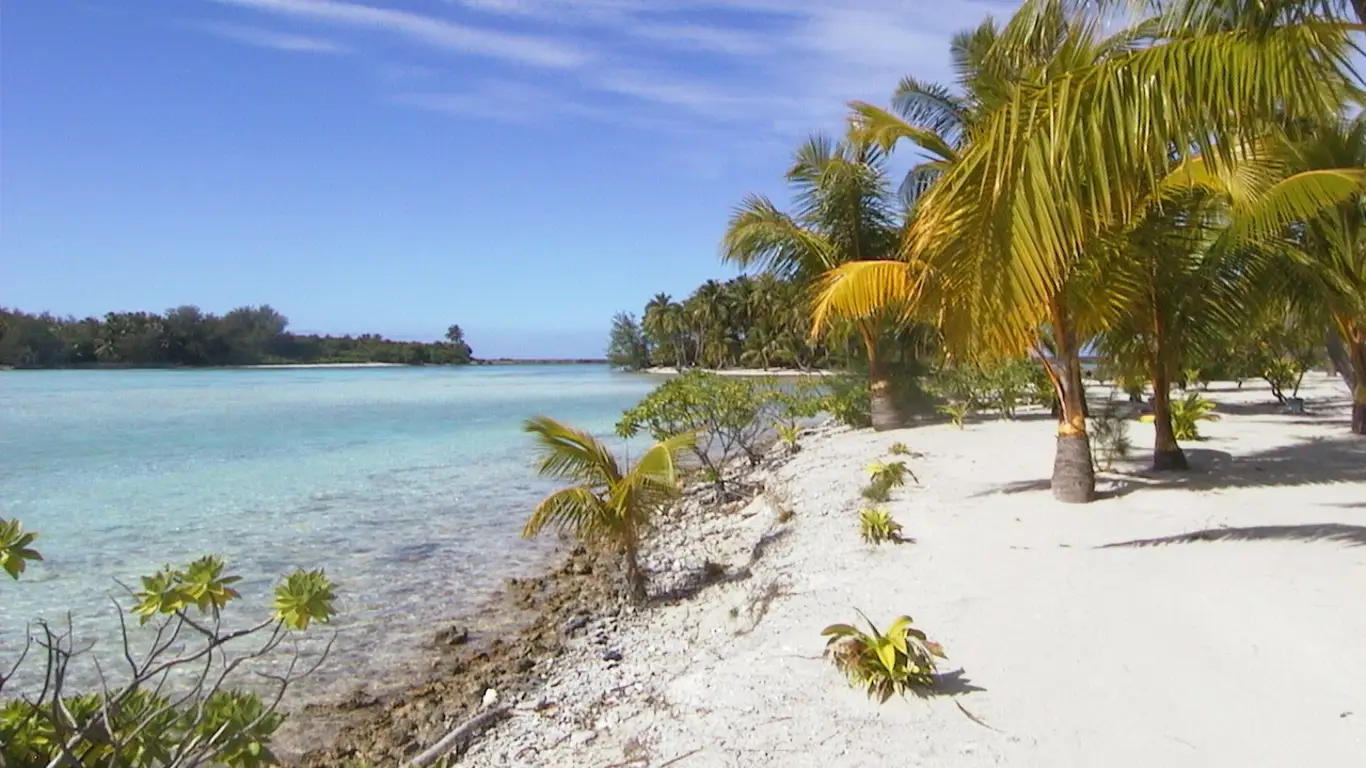
On Bora Bora, Matira Beach is the island’s headliner: white sand, clear shallows and showpiece views across the lagoon to surrounding islets. It’s tailor-made for couples and anyone in the mood for romance.
Matira opens onto a protected, shallow lagoon—calm, safe and wonderfully swimmable. Coconut palms and coastal shrubs bring shade and a sense that time moves slower here.
Snorkeling is easy and rewarding, with coral and tropical fish along the shore. Kayaking, paddleboarding and windsurfing round out the active options, with local outfitters ready to help beginners.
Come late afternoon, a walk along the sand under a glowing sky is hard to beat. A handful of restaurants and bars by the beach serve island flavors and cold drinks with a lagoon view.
Getting there: Bora Bora Airport (BOB) sits on the islet of Motu Mute and handles domestic flights from Tahiti and other Polynesian islands. From the airport, boats shuttle visitors to the main island; from there, taxis, rental cars and bicycles make reaching Matira straightforward.