
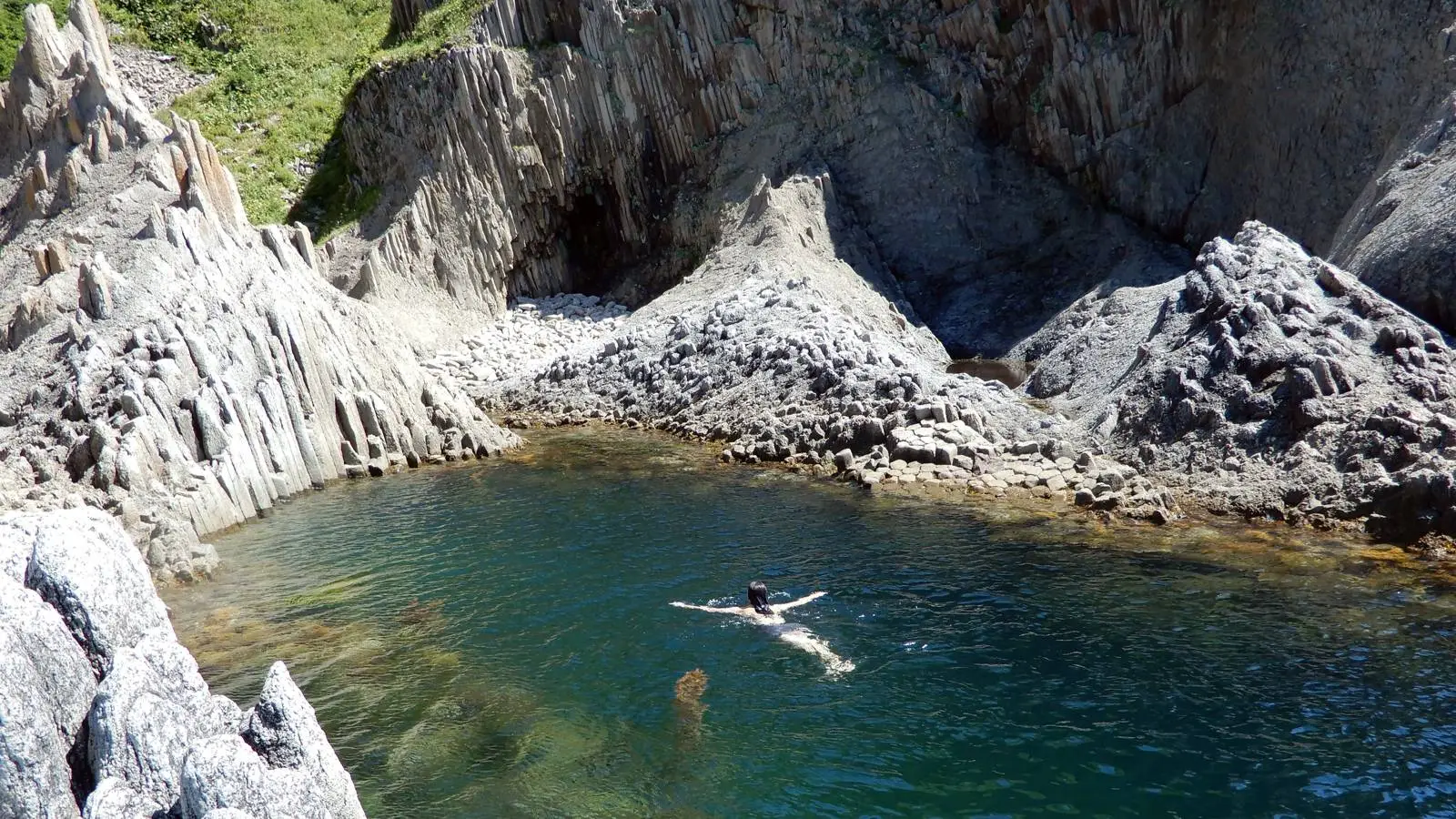
Find the world’s best selfie spots—from the Eiffel Tower and Santorini to Petra and the Grand Canyon. Tips on angles, light, and views for camera-ready shots.
In today’s travel culture, selfies have become a natural part of the journey — a way to pin down fleeting moments and share them with friends and followers. In search of the perfect shot, travelers head to the world’s most scenic corners, from architectural icons to raw natural wonders. Some places truly feel made for the camera. Below are the standout locations where every frame can pass for a tiny piece of art. Whether it’s the romance of the Eiffel Tower in Paris or the mystery of Machu Picchu in Peru, these spots offer not only arresting views, but also an atmosphere that lends each selfie a touch of magic.
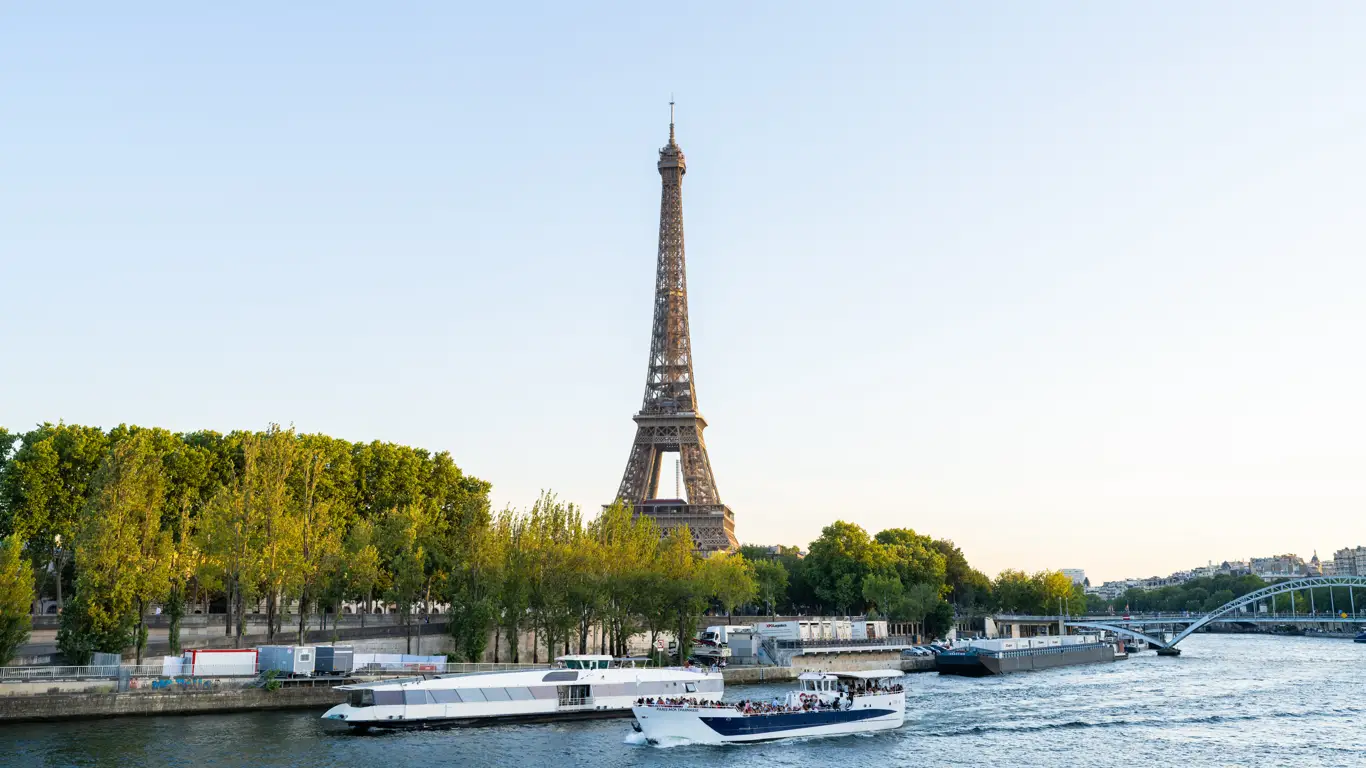
Few landmarks are as instantly recognizable as the Eiffel Tower — the emblem of Paris and a magnet for anyone with a camera. Rising over the city, it draws millions of visitors each year, many of them hunting for that definitive selfie. What keeps it at the top of the list?
First, the tower is a backdrop that does a lot of the work for you: monumental lines, historical weight, and the aura of 1889’s World’s Fair, when it debuted as a feat of engineering and artistry. A selfie here doesn’t just capture a moment; it taps into the city’s romance and scale.
Second, the variety of perspectives means no two shots need to look alike. From ground level, you can dramatize its size; from the viewing platforms, you get that sweeping bird’s‑eye of Paris. After dark, thousands of lights flip the mood to pure theater — evening photos feel almost cinematic.
It’s worth noting that the tower itself can be photographed freely, but its illumination is considered a separate work of art protected by copyright. In France, publishing night photos of the tower is prohibited and can carry penalties of up to five years in prison and a fine of up to €0.5 million.
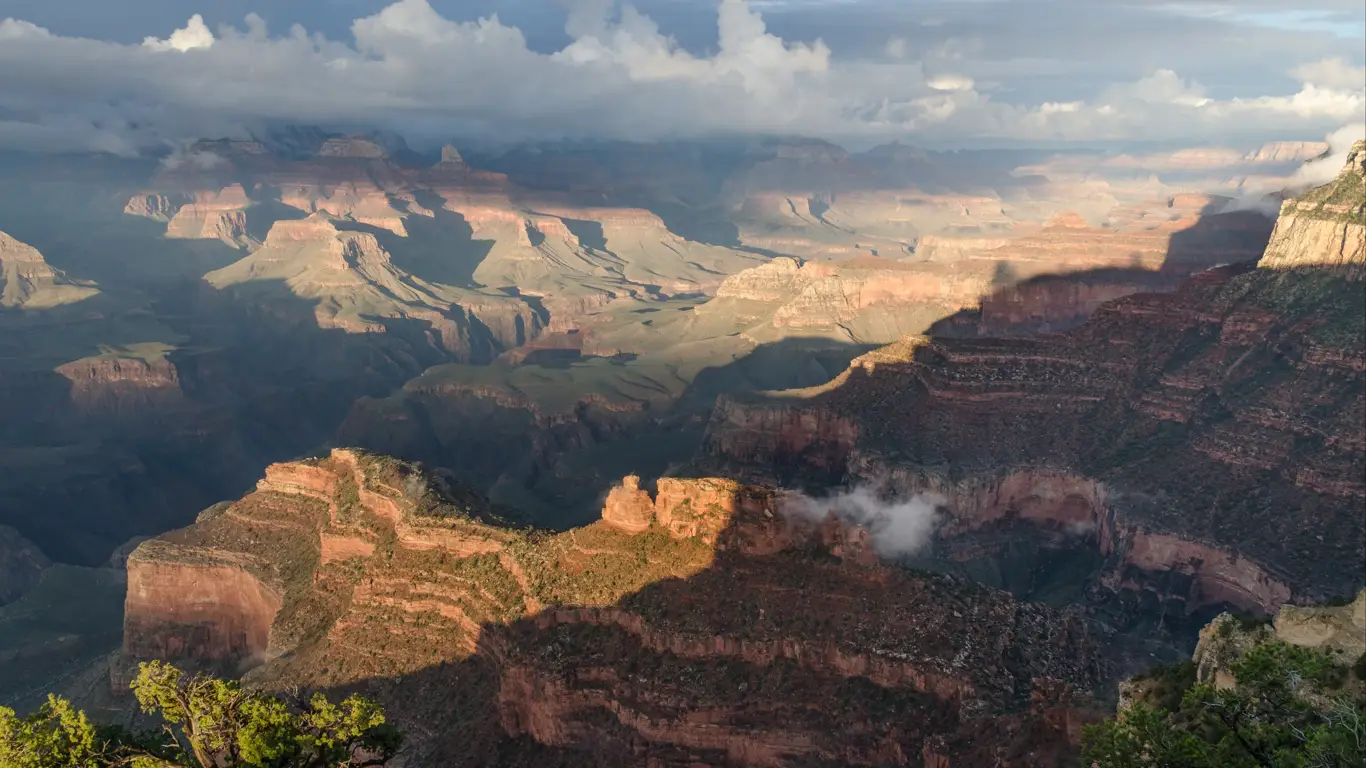
Carved by the Colorado River over millions of years, the Grand Canyon is one of nature’s great showpieces — vast, layered, and endlessly photogenic. As a selfie setting, it offers drama you can’t fake.
The sheer scale is the first thing that hits you: more than 1.6 kilometers deep and roughly 446 kilometers long. The landscape feels epic by default.
There are also options. The South Rim is the most accessible and popular, with jaw‑dropping views at nearly every turn. The quieter North Rim is no less striking and lends itself to more contemplative shots.
Light is the secret ingredient. Throughout the day, the canyon changes character, but it’s sunrise and sunset that paint the rocks in reds, oranges, and purples — the moments when selfies tend to look their most dramatic.
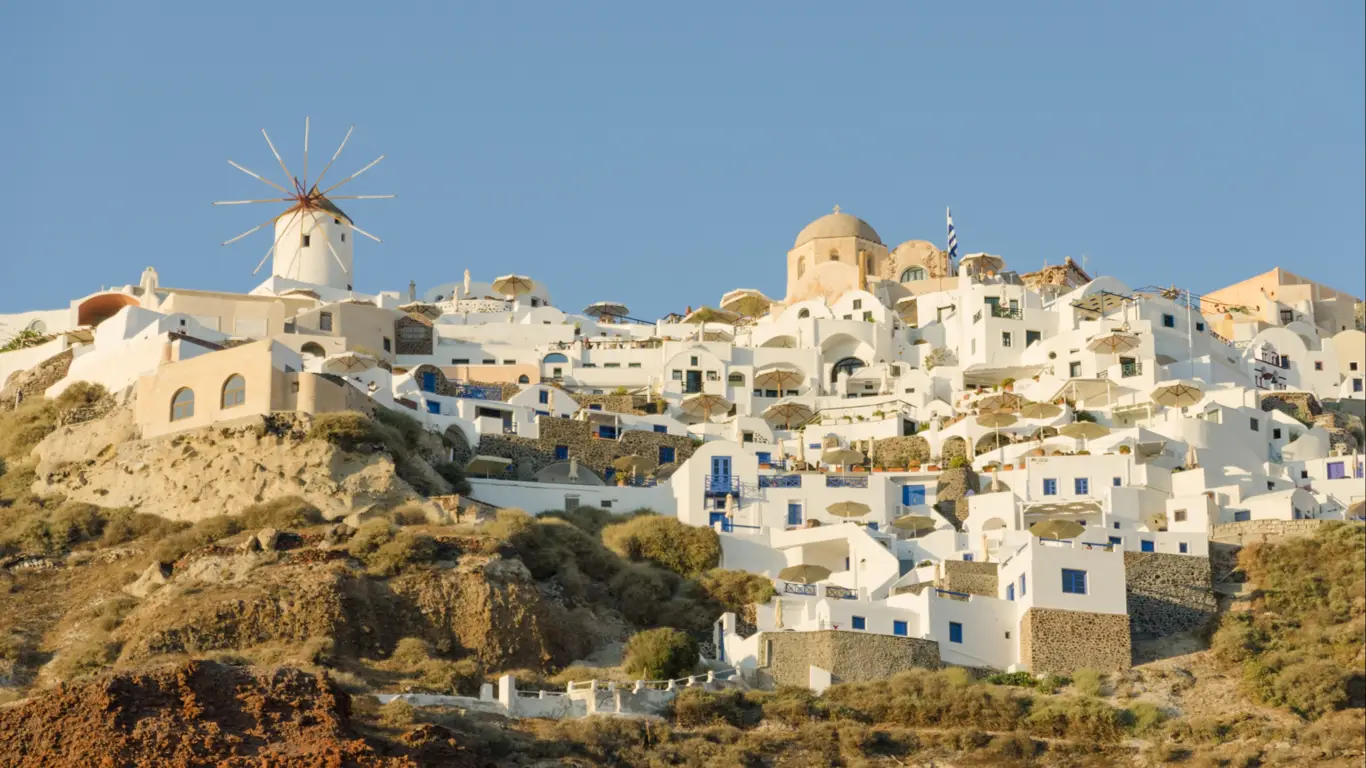
Santorini was seemingly built for the lens: whitewashed architecture, blue domes, and a caldera view that steals the show.
In Oia, the famous church domes and clean white walls set the tone — sunset from the old castle ruins is a reliable scene‑stealer.
Fira, the island’s capital, is all tight lanes, white facades, and bougainvillea. From a terrace above the caldera, even a casual snap looks curated.
Imerovigli adds height and drama, with cliffside views over the caldera and the Aegean, plus the blue‑domed Church of Saint George. The Red Beach, where crimson cliffs meet impossibly blue water, is a ready‑made contrast for striking selfies.
Old villages like Pyrgos and Emporio, with their traditional architecture and narrow streets, offer textured backdrops. Even a table at a classic taverna — local dishes, a courtyard, a view — can turn into a strong frame.
And for a different mood, vineyards and wineries pair tastings with vistas over fields and sea. On Santorini, every corner seems to have a composition ready to go.
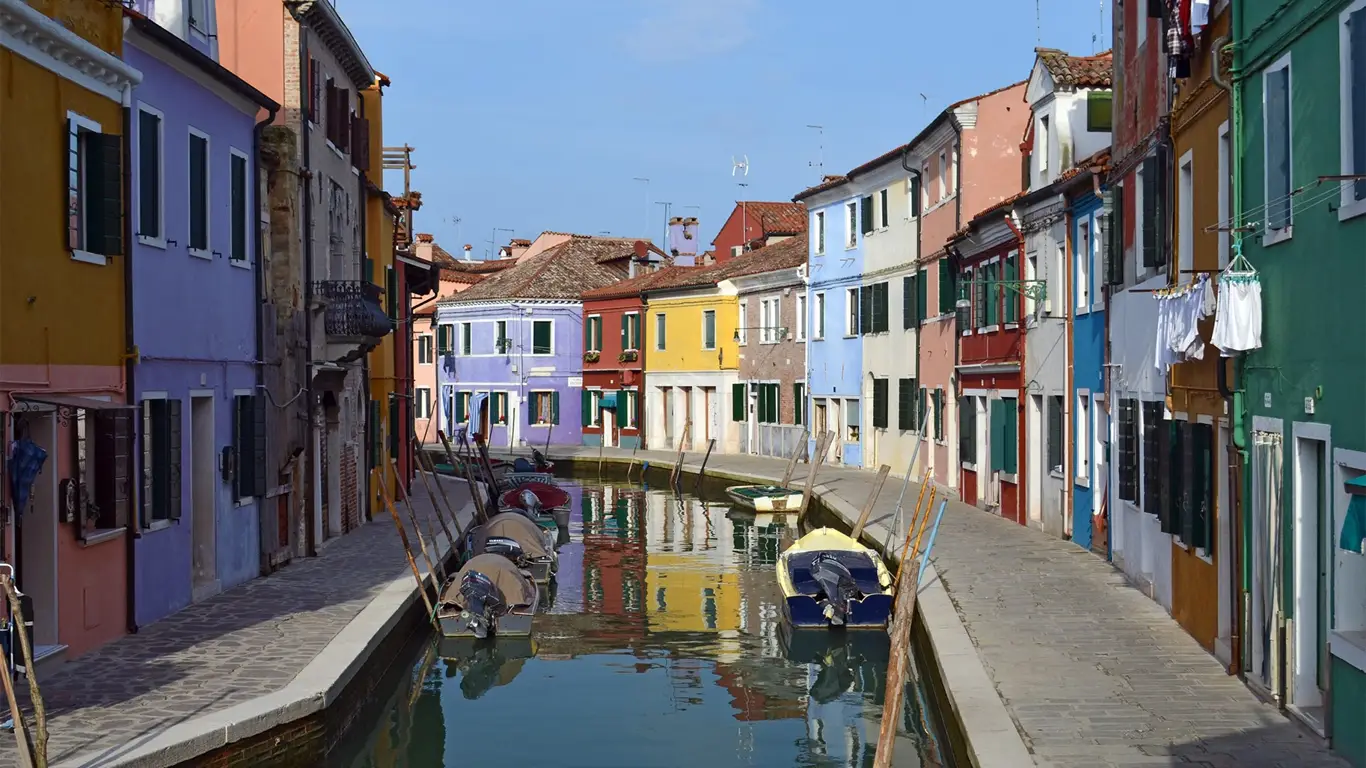
Burano in the Venetian Lagoon is a color lover’s dream: bright facades, quiet canals, and a lived‑in charm that pops on camera. The island’s painted houses each wear a distinct hue, so even a short stroll turns up countless, cheerful compositions.
On Galuppi Square, the Church of San Martino and its slightly leaning bell tower lend shots a quirky twist. Another favorite angle is from the bridge over the Rio di Ponte Baldun canal, where reflections double the color palette.
Local lace shops and studios add character — selfies alongside handcrafted pieces bring in a sense of place. There’s also a small park on the island’s edge with views across the lagoon and neighboring isles.
As lights come on in the evening, Burano turns storybook. Lit facades mirrored in the canals make for especially atmospheric, romantic frames.
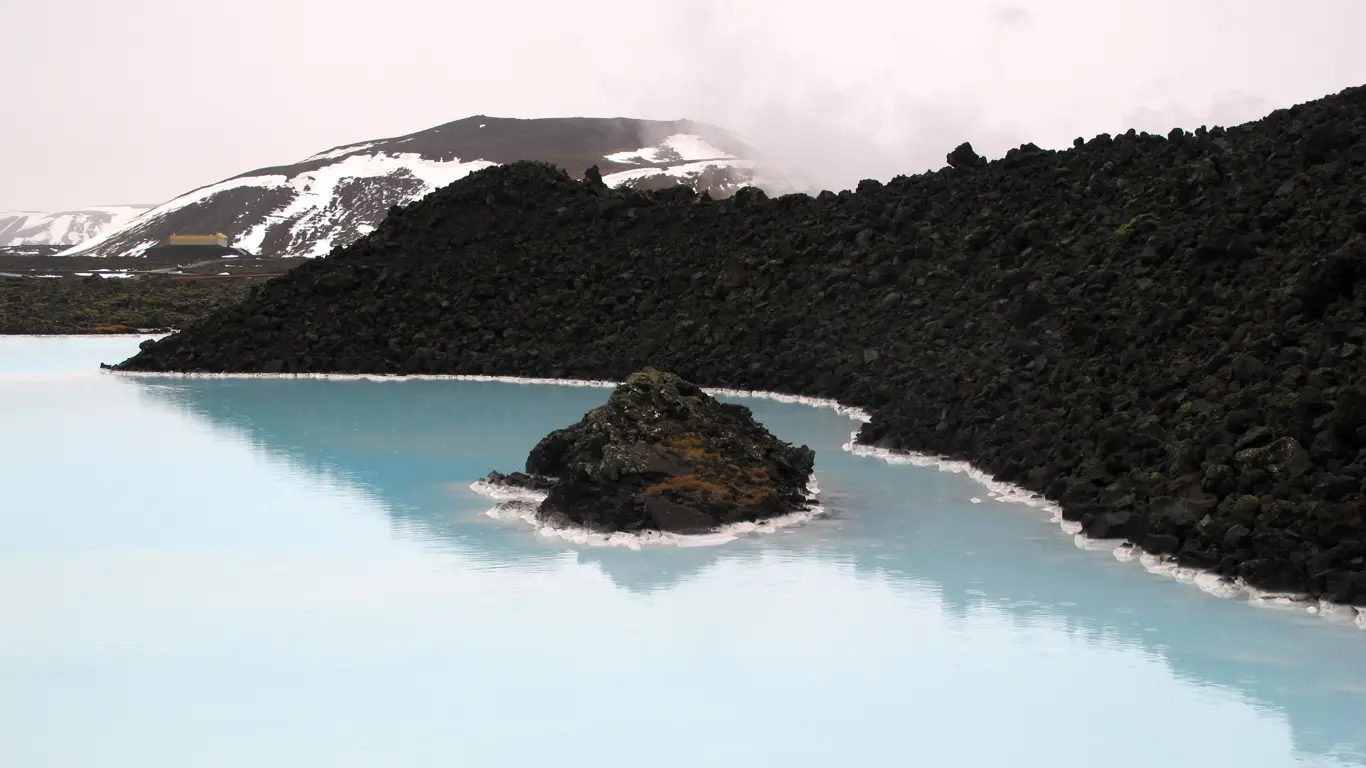
Iceland’s Blue Lagoon is famous for its milky‑blue geothermal waters set against black lava fields — a surreal contrast that photographs beautifully.
The star is the water itself. Mineral‑rich pools glow in shades of blue that pop against the dark rock and drifting white steam. Shots taken right in the water tend to look especially striking.
There’s also the playful touch of the white, creamy silica mask you can apply to your face — good for the skin, and fun on camera. In the evening, soft lighting and steam heighten the mood; nighttime selfies here lean cozy and dreamlike.
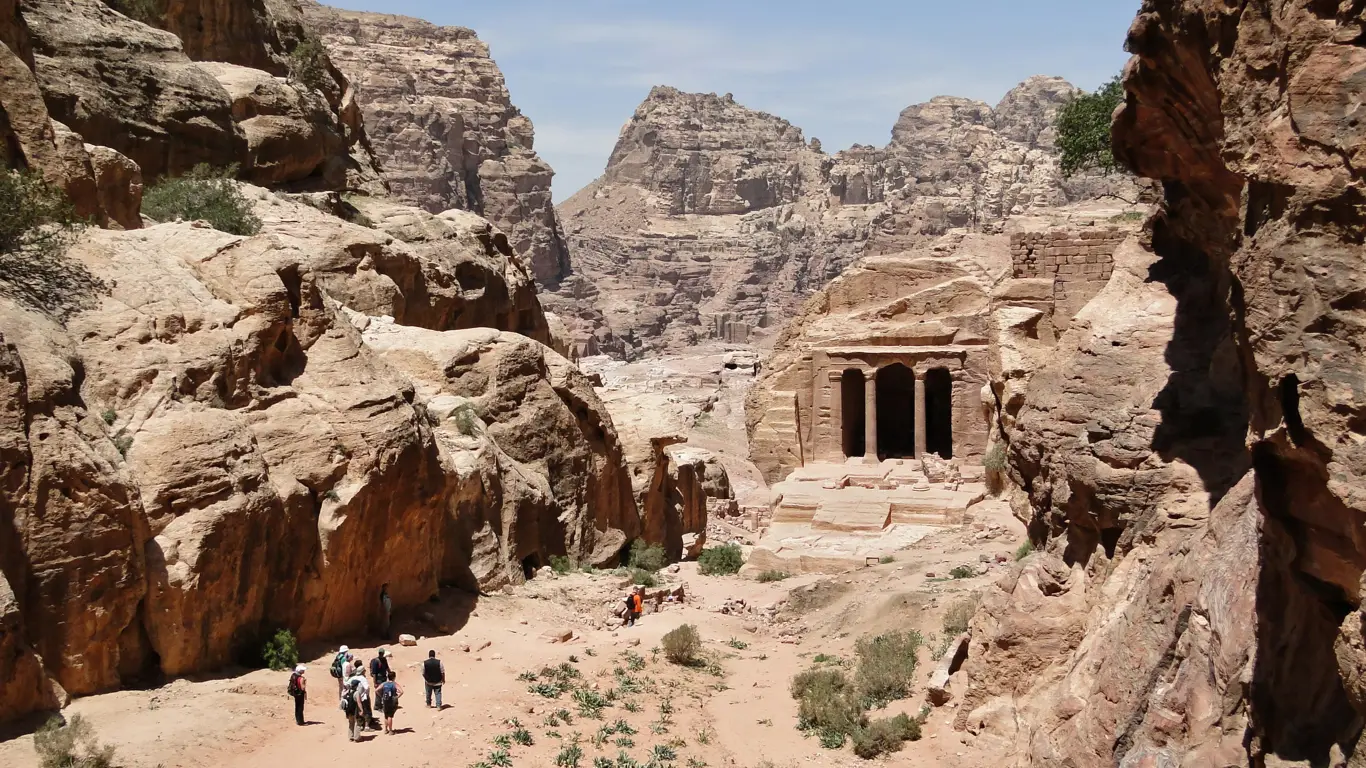
Petra is awe in stone: a city hewn from rock with monuments that still command silence. The standout is the Treasury (Al‑Khazneh), its intricate facade carved into rose‑colored cliffs. In early morning or late afternoon light, selfies here look especially powerful.
The Siq — a narrow canyon with walls up to 80 meters high — leads to the Treasury and sets a moody, cinematic scene with light and shadow playing along the curves. The Monastery (Ad‑Deir), reached by a climb of 800 steps, rewards the effort with scale and solitude — a grand backdrop that isn’t easily forgotten.
The Royal Tombs impress with size and detail, while the High Place of Sacrifice (Al‑Madbah) opens up sweeping views of the entire site for panoramic shots. Even the Roman amphitheater carved into the rock makes a strong stage for the frame.
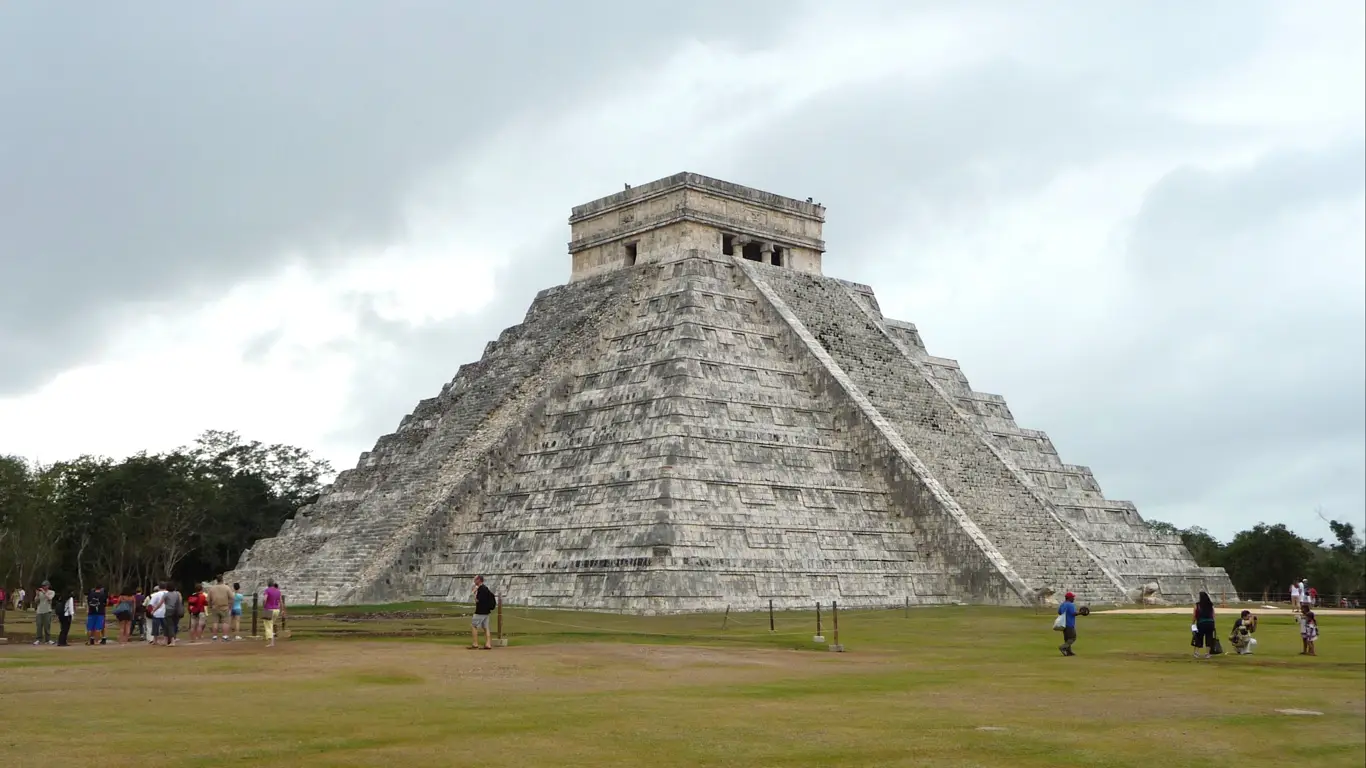
One of Mexico’s most celebrated archaeological sites, Chichen Itza is tailor‑made for striking images thanks to its grand ruins and deep history. Center stage is the Pyramid of Kukulkan (El Castillo), one of the New Seven Wonders of the World. Against a clear sky or at sunset, selfies here carry extra weight.
Nearby, the Sacred Cenote — once a site of offerings — adds an air of mystery, with green edges framing the water. The Great Ball Court, the largest of its kind, impresses with scale and carved details; even a simple angle captures its gravity.
The Temple of the Warriors, lined with columns carved as warriors, offers strong symmetry for the frame. The El Caracol observatory introduces a scientific thread to the scene — the round tower rising among the ruins stands out in photos.
The playing field for Pakal Votan is another spot with interesting architectural elements and a distinct feel. And throughout, the city’s ruins, bordered by jungle and green fields, set an atmospheric stage for a walk — and for selfies that carry a sense of time.
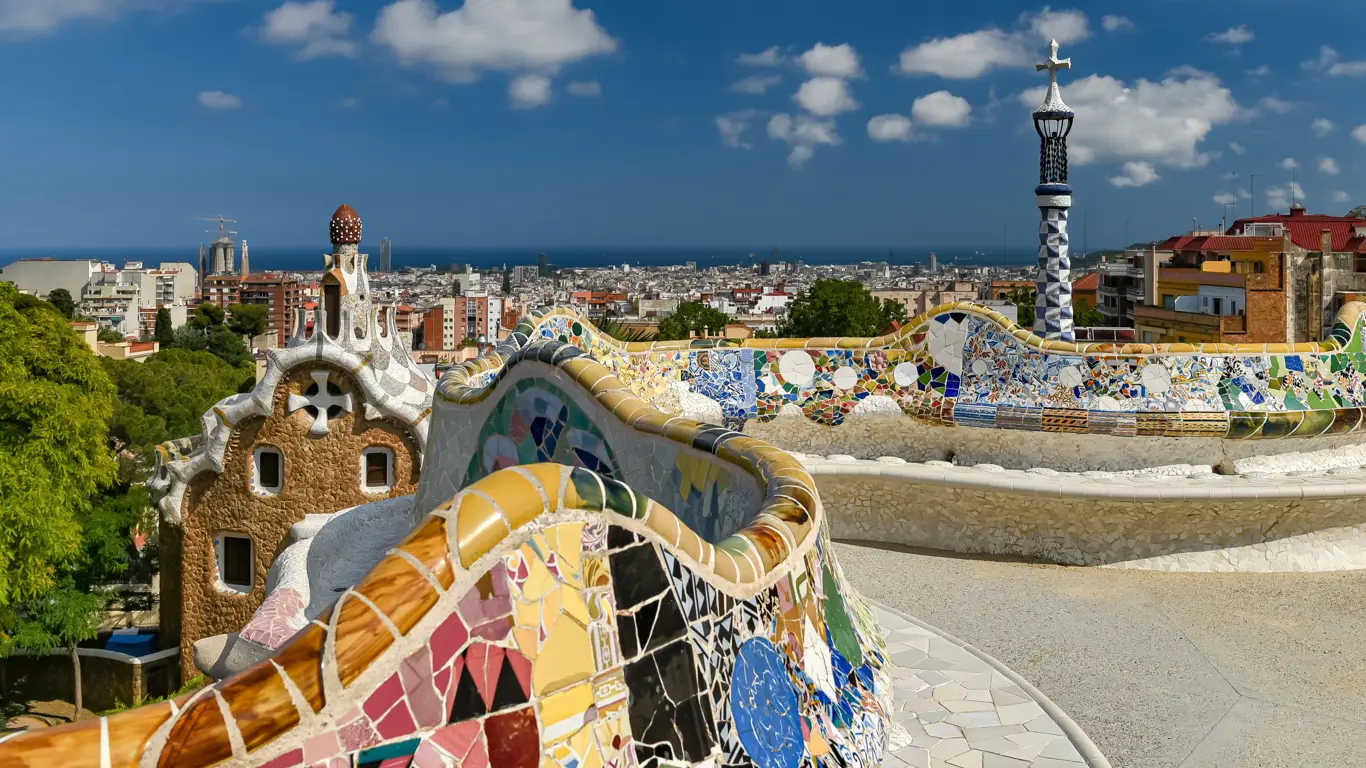
Park Güell is Gaudí’s color palette turned into landscape — playful, organic, and endlessly photogenic. The centerpiece is the sweeping terrace edged by a sinuous, mosaic‑tiled bench. Selfies here practically glow with color.
By the main entrance, the famous mosaic lizard (often called the dragon) is a must‑stop. The grand staircase leading up to the terrace, with its fountains and geometry, works from almost any angle.
Wander further for colonnades and galleries that echo a natural forest: columns like tree trunks, curves that feel alive. The Gaudí House Museum, where the architect lived and worked, adds a whimsical silhouette to any shot.
Then there’s the panorama: Park Güell looks out over Barcelona. In the soft light of morning or evening, selfies with the cityscape — and the distant Sagrada Família — carry that unmistakable local character.
Don’t miss the entrance pavilions, with their bright roofs and fairy‑tale lines, or the park’s trencadís mosaics underfoot and on the walls. These details, piece by piece, turn simple frames into lively, art‑tinged memories.
