
Discover the world's most iconic landmarks, from the Eiffel Tower and Colosseum to Machu Picchu and the Taj Mahal, with facts, history, and travel insight.
The world is brimming with remarkable places that draw millions with their individuality, historical depth, and cultural richness. Each landmark carries a story about great civilizations, defining eras, and events that left a lasting imprint on humanity. They don’t just adorn the planet; they spark curiosity and broaden horizons for travelers everywhere. Here are some of the most recognizable sights on Earth—icons of their countries and near-obligatory stops on any itinerary. From ancient ruins and opulent palaces to contemporary feats of engineering, each one rewards a closer look.
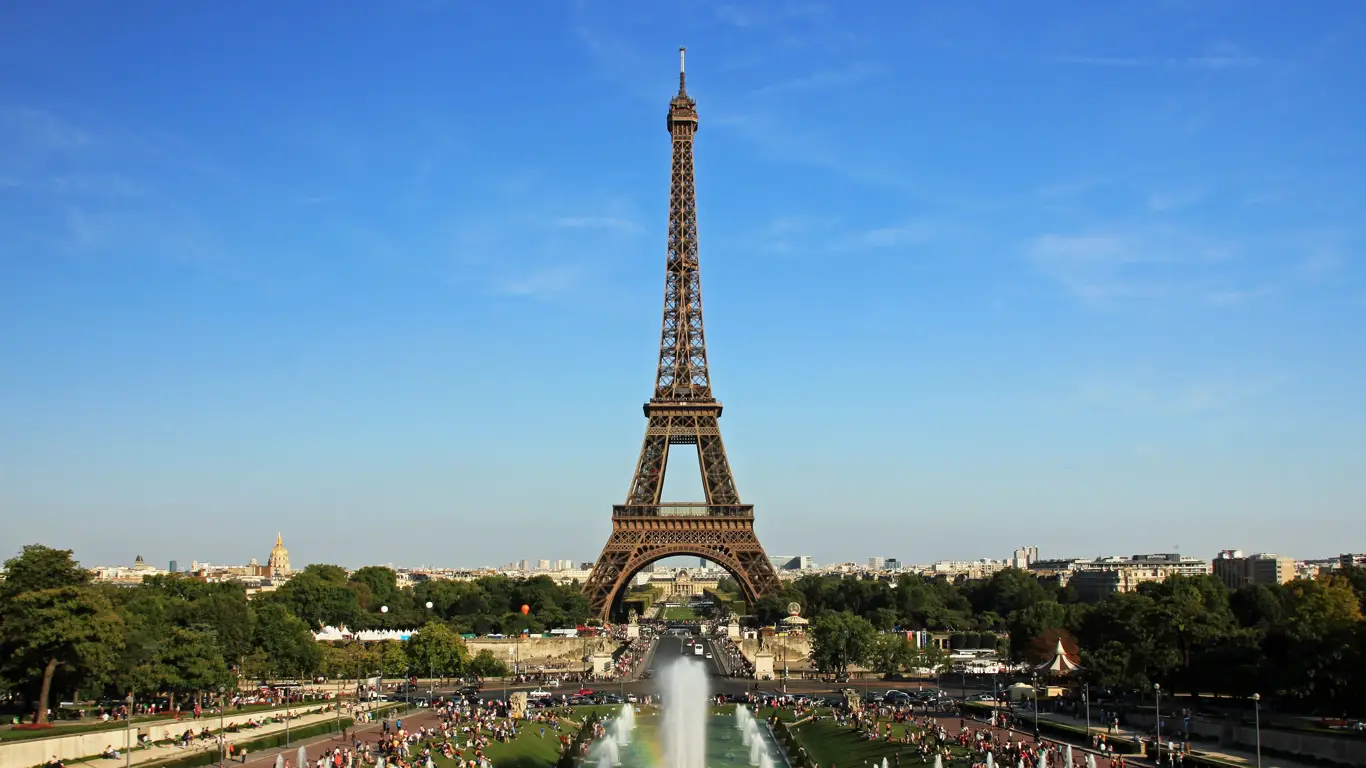
Built in 1889 to a design by engineer Gustave Eiffel, the Eiffel Tower stands as a symbol of Paris—and of France as a whole. Few places are photographed more, and it’s easy to see why.
What stands out:
The tower might never have risen in Paris at all. Eiffel first pitched the project to the Spanish authorities, who declined.
Its structure borrows from nature: calculations drew on work by German paleontologist Hermann von Meyer, who explained the strength of the femur. The skeletal logic translated brilliantly to architecture.
Con artist Victor Lustig famously “sold” the tower twice, exploiting a newspaper story about its expensive upkeep.
For 40 years it was the tallest structure on the planet, originally just over 300 meters high.
Uniquely, the tower has a patented color and is repainted every seven years.
The names of 72 engineers, mathematicians, and scientists—Eiffel’s contemporaries—are engraved on its ironwork.
While photographing the tower is generally allowed, its nighttime illumination is considered a separate artwork protected by copyright. In France, publishing night images of the tower is prohibited, with penalties that can reach five years in prison and fines up to €0.5 million.
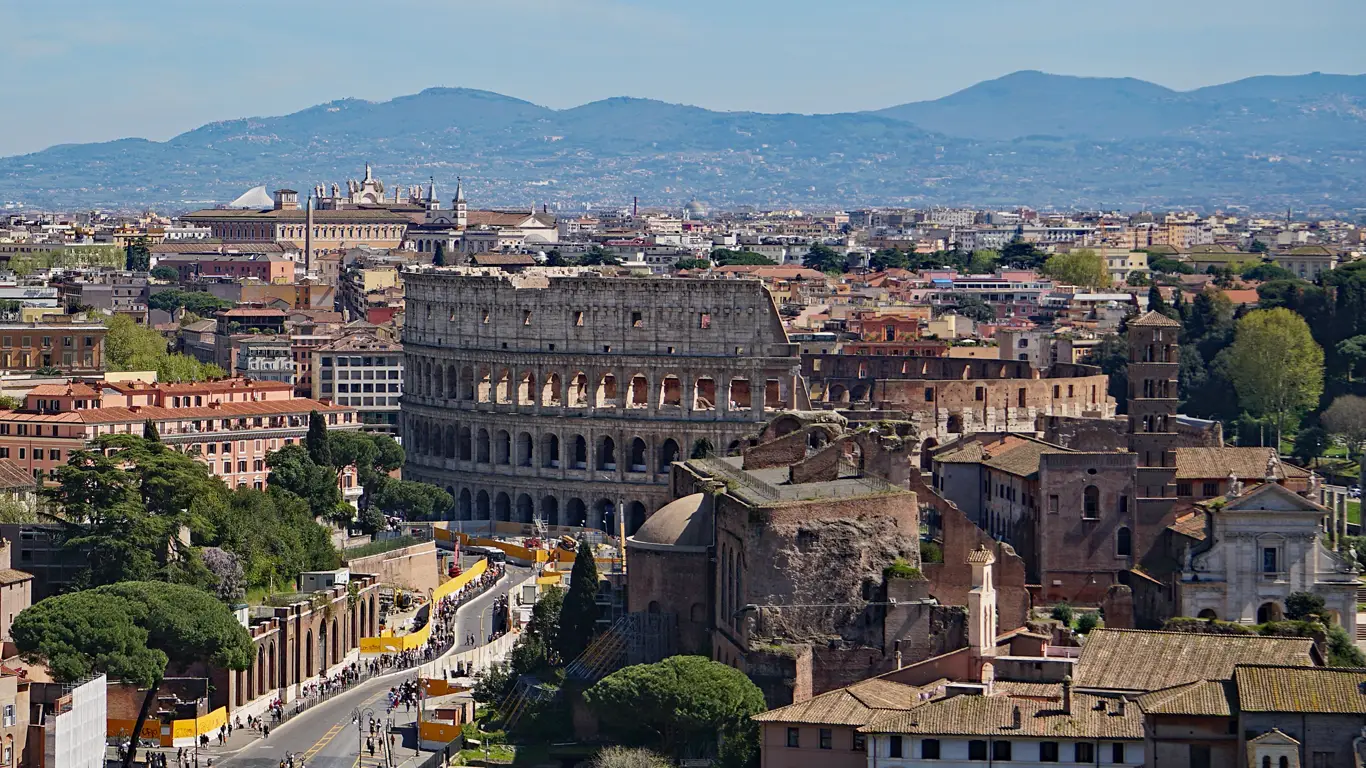
Opened in 80 CE, the Colosseum is the largest amphitheater of ancient Rome. Once a stage for gladiatorial combat and mass spectacles, it remains one of the most significant—and best preserved—monuments of Roman architecture.
Details that matter:
Emperor Vespasian ordered its construction around 70 CE in central Rome. His son Titus inaugurated it in 80 CE with 100 days of games, calling it the Flavian Amphitheatre. The name “Colosseum” came later.
After the Great Fire of 64 CE, Nero built the Domus Aurea with an artificial lake. Following his death, the lake was filled in, and the Colosseum rose on its site.
An elliptical marvel 157 feet high, 510 feet wide, and 615 feet long, it was the largest arena in the world. Eighty entrance portals helped crowds enter swiftly.
At the opening in 80 CE, some 9,000 animals were killed. Later hunts and beast fights led to the deaths of tens of thousands more, including hippos, lions, tigers, bears, and elephants.
In 2013, billionaire Diego Della Valle allocated $33 million for restoration and a visitor center with a café. In 2015, Culture Minister Dario Franceschini pledged $20 million to repair the arena floor.
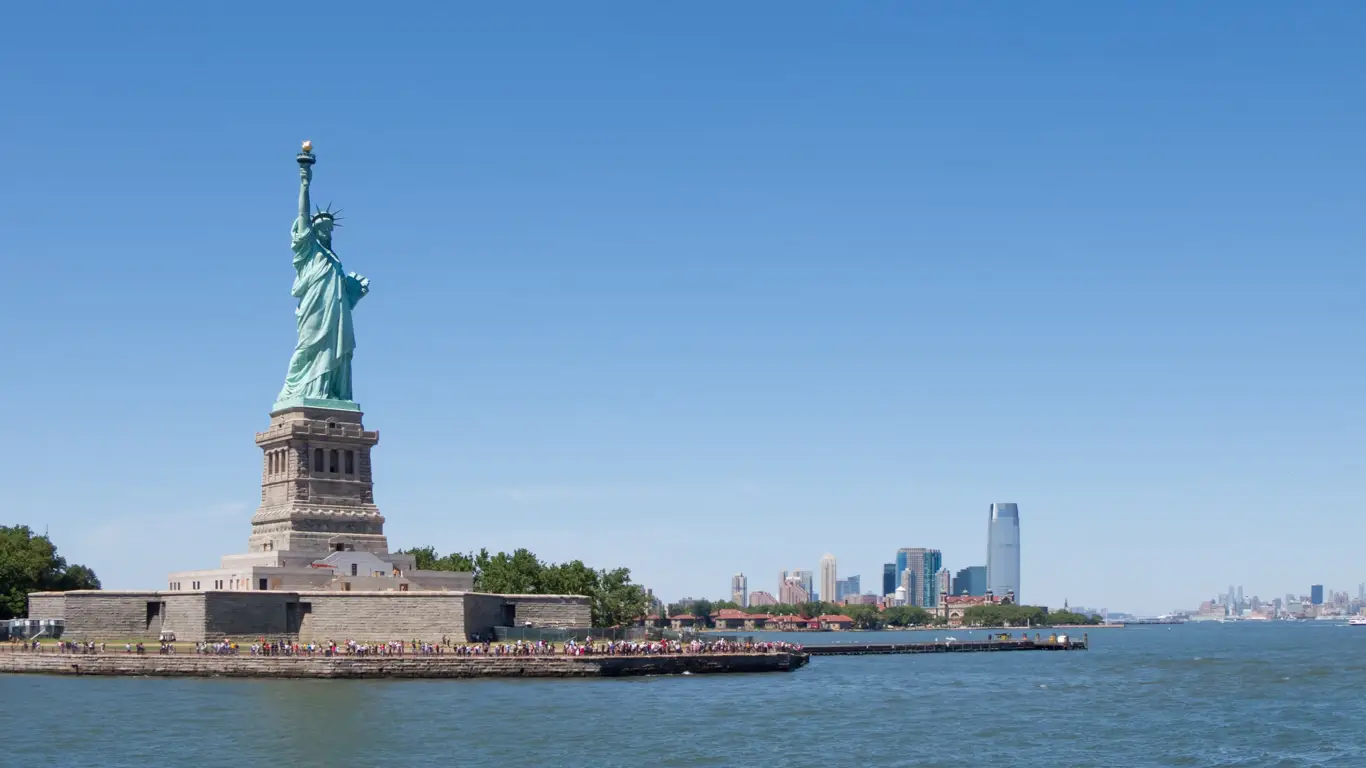
A gift from France to the United States in 1886, the Statue of Liberty stands on Liberty Island in New York Harbor, embodying the ideals of freedom and democracy—an American emblem recognized everywhere.
Worth noting:
Designed by French sculptor Frédéric Auguste Bartholdi and built in France, the statue was paired with a pedestal by American architect Richard Morris Hunt, constructed in the U.S.
Its full name—Liberty Enlightening the World—was given by the French creators and embraced by the American public.
Originally the torch functioned as a lighthouse for ships entering the harbor. In the 1980s it was replaced and closed to visitors.
The statue began as bright copper; over time it oxidized to green. It darkened in the early 1900s, and in the 1980s the familiar green hue was restored.
In July 1916, lightning struck and damaged the torch, which was then closed for several years of repairs. Traces of that strike remain visible today.
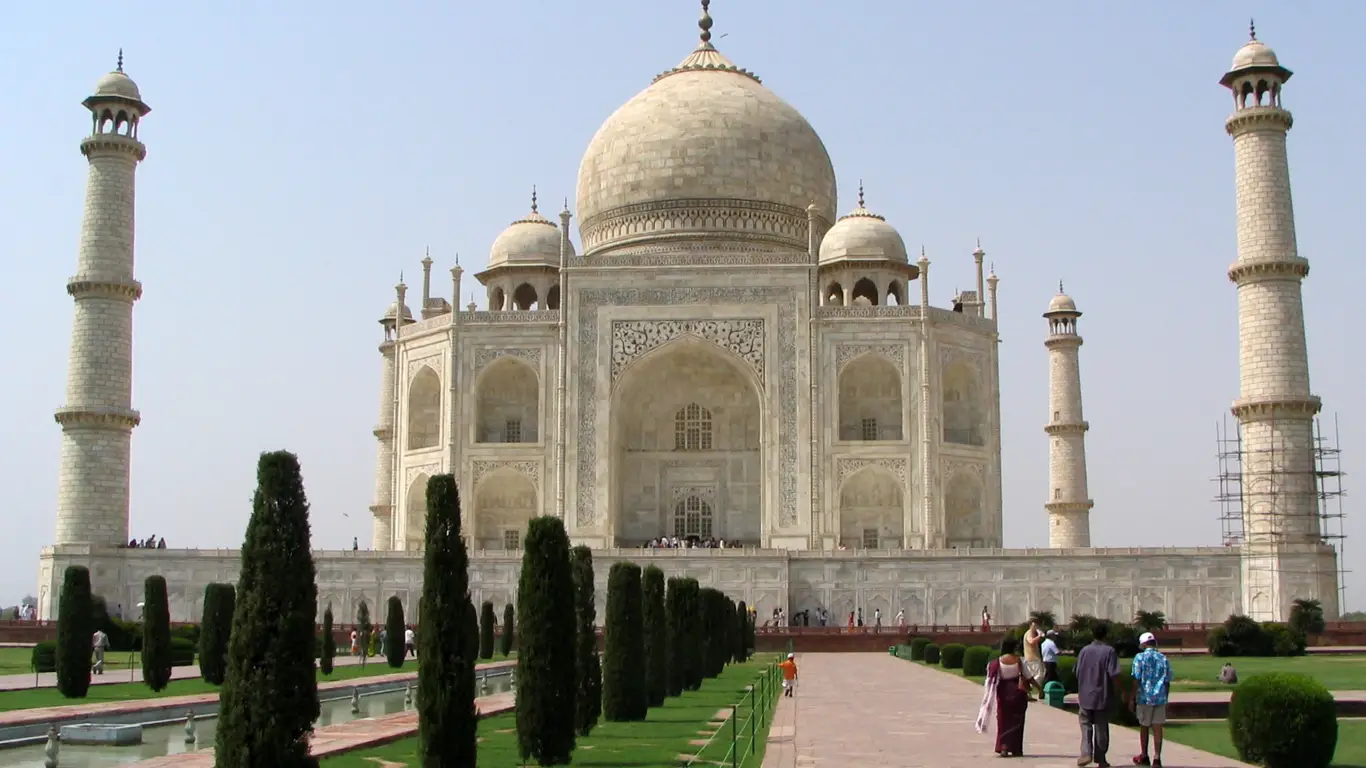
Commissioned in the 17th century by Emperor Shah Jahan in memory of his beloved wife Mumtaz Mahal, the Taj Mahal is a masterpiece of Islamic architecture. The white-marble mausoleum is celebrated for its symmetry and quiet radiance.
Details that linger:
The marble, inlaid with precious stones, shifts with the light—white by day, pink at sunset, silvery under a moonlit sky—often compared to Shah Jahan’s changing emotions for Mumtaz. The Yamuna River helps keep the masonry moist and strong, and the wooden foundations rely on the river’s presence. Without it, the structure might have failed; the authorities have taken measures to safeguard it.
Materials arrived by way of more than 1,000 elephants from across India and the Middle East. Completed in 1648, it employed around 22,000 workers. The chief architect remains uncertain—Ustad Ahmad is often suggested. Twenty-eight types of precious stones were used, sourced from Tibet, China, Sri Lanka, and India.
The Taj is renowned for its symmetry: four identical sides, with one exception—the tombs of Shah Jahan and Mumtaz differ in size and height. Pollution has yellowed the marble; restorers use a special mud, multani mitti, to clean it.
Calligraphic Quranic inscriptions adorn the complex, including 99 names of Allah on Mumtaz’s tomb. Shah Jahan intended to build a Black Taj on the opposite bank of the Yamuna but was imprisoned by his son and buried beside Mumtaz instead.
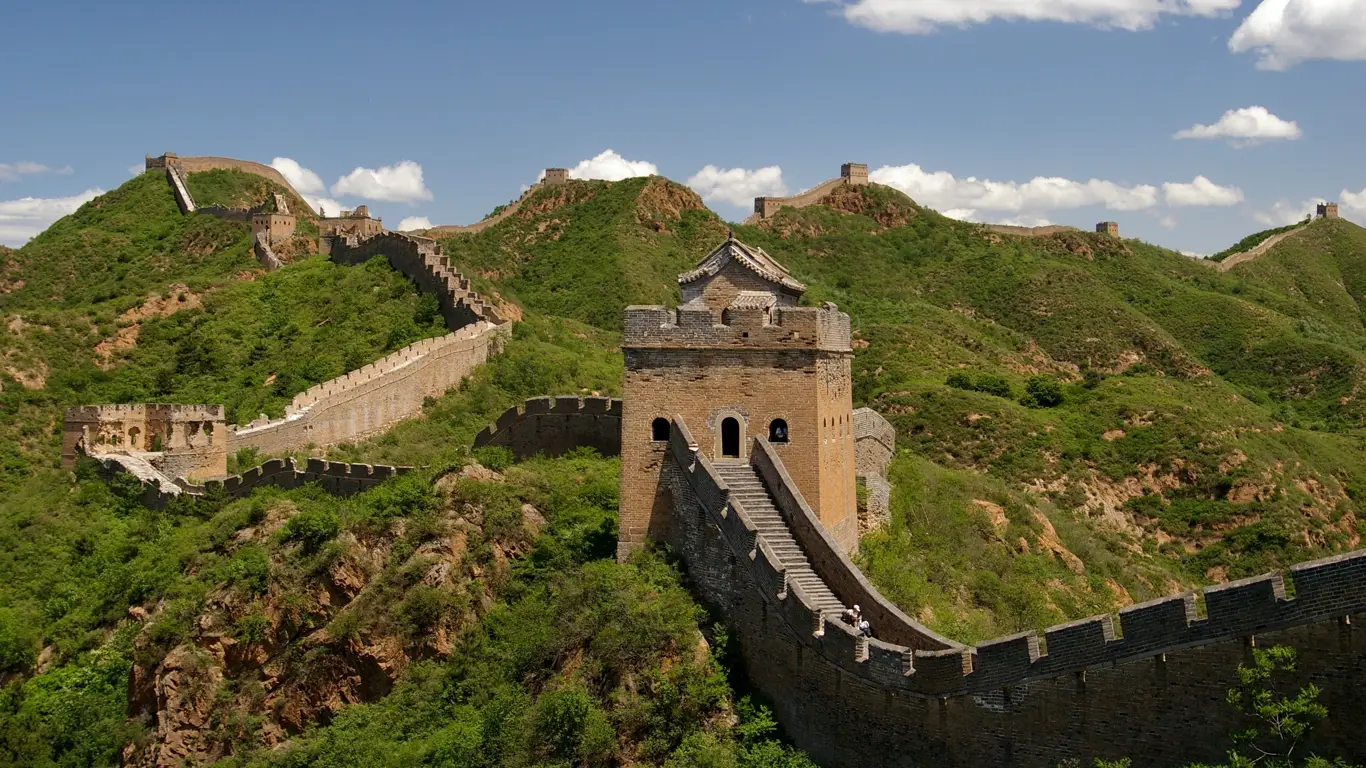
Stretching for thousands of kilometers across northern China, the Great Wall was raised to repel raids by nomadic tribes. It remains one of the most audacious feats of ancient engineering—a testament to China’s endurance and ingenuity.
Key takeaways:
It isn’t a single continuous barrier but a network of walls and fortifications built over centuries. Early sections date back more than 2,000 years to the Warring States period (475–221 BCE), often made of rammed earth to defend rival states. With China’s unification, these defenses were linked and strengthened into the Wall we know today.
It’s the longest wall on Earth, spanning more than 13,000 miles. For comparison, New York to Los Angeles is just over 2,700 miles. The Wall was meant to shield China from nomadic incursions and served as a clear boundary with the outside world.
The idea that it’s visible from space is a myth. While astronauts can spot it from low Earth orbit, it isn’t visible from the Moon.
Built largely by hand with simple tools, construction began over two millennia ago. Peasants and soldiers labored on it for generations.
Majestic doesn’t mean indestructible. Erosion, earthquakes, and human activity have taken a toll. Restoration is ongoing, and the Wall still needs constant care.
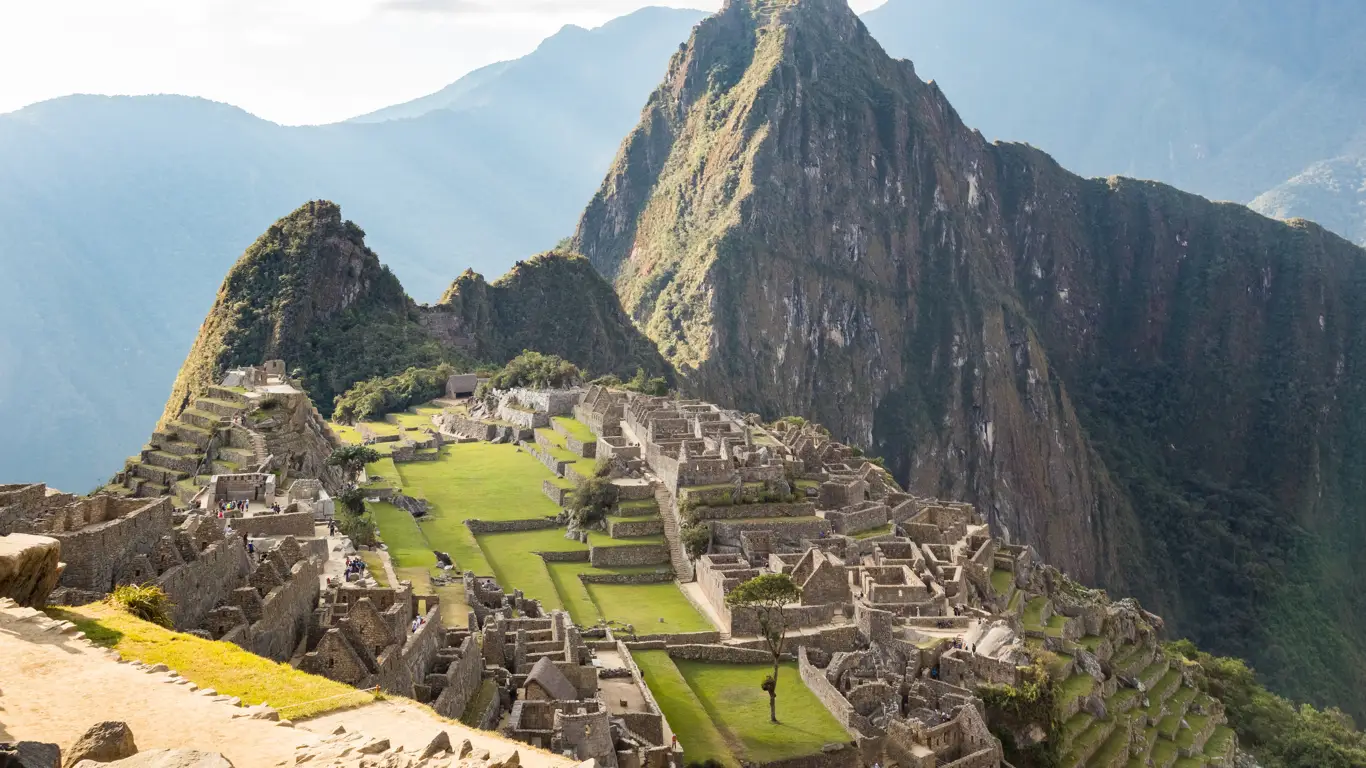
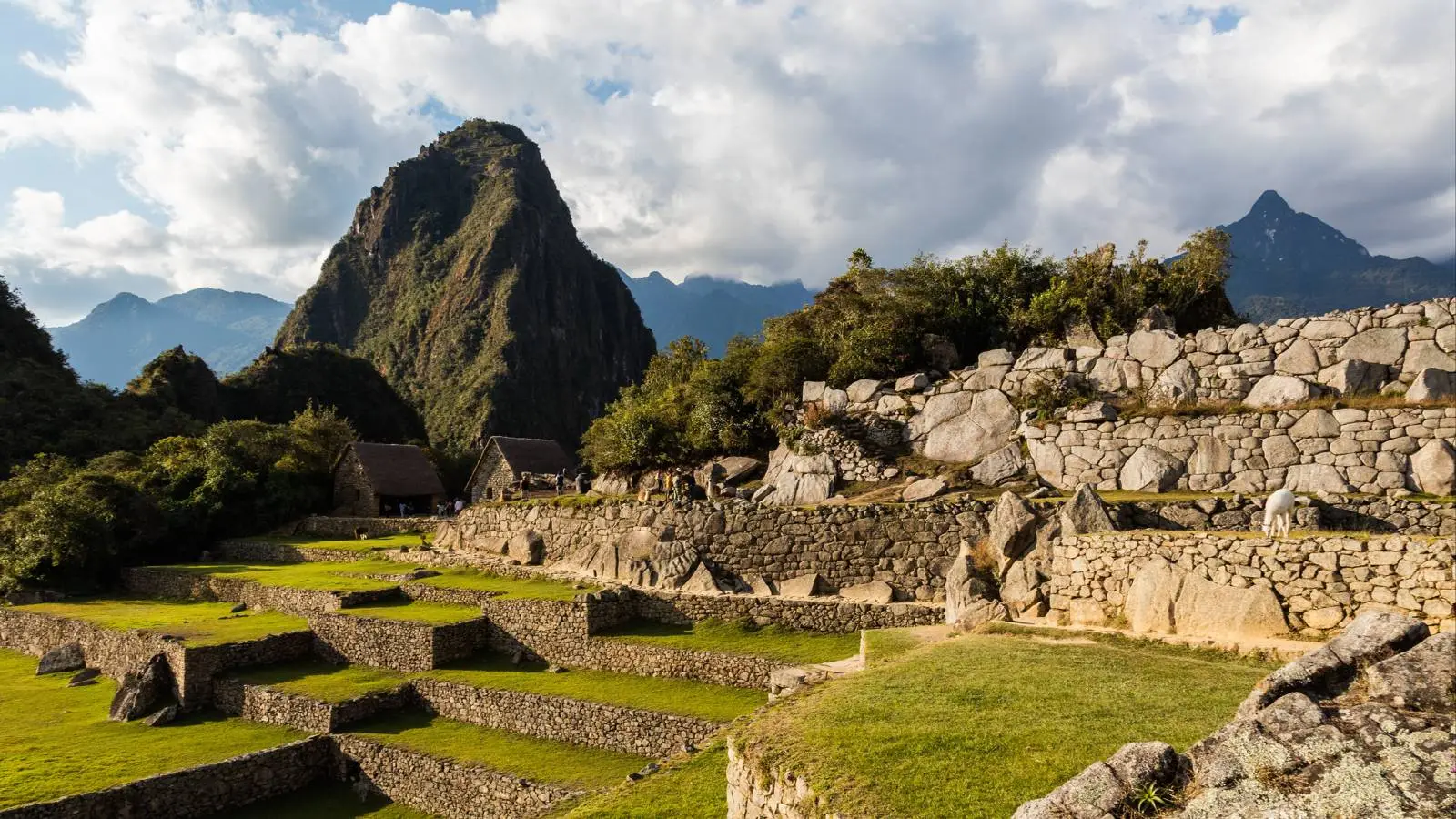
Perched in the Andes at more than 2,400 meters above sea level, Machu Picchu—an Inca citadel forgotten for centuries—was brought to light in 1911. Its stonework feels inseparable from the mountain itself.
Points of intrigue:
Raised in roughly 80 years in the late 15th century—much of it in just 30—the city was built without the wheel. Stone blocks were hauled by hand and on the backs of llamas.
At over 2.4 kilometers in altitude, the site is poor for agriculture, yet the Incas harnessed the terrain to create irrigation and drainage systems that sustained urban life.
After the 15th century, Machu Picchu slipped from memory until Hiram Bingham revealed it to the wider world in 1911. Mysteries remain: how the Incas lifted 50-ton blocks and supplied water and food at such heights is still debated.
In 2007, it was named one of the New Seven Wonders of the World—a list that also includes the Great Wall, Petra in Jordan, and Christ the Redeemer in Rio de Janeiro.
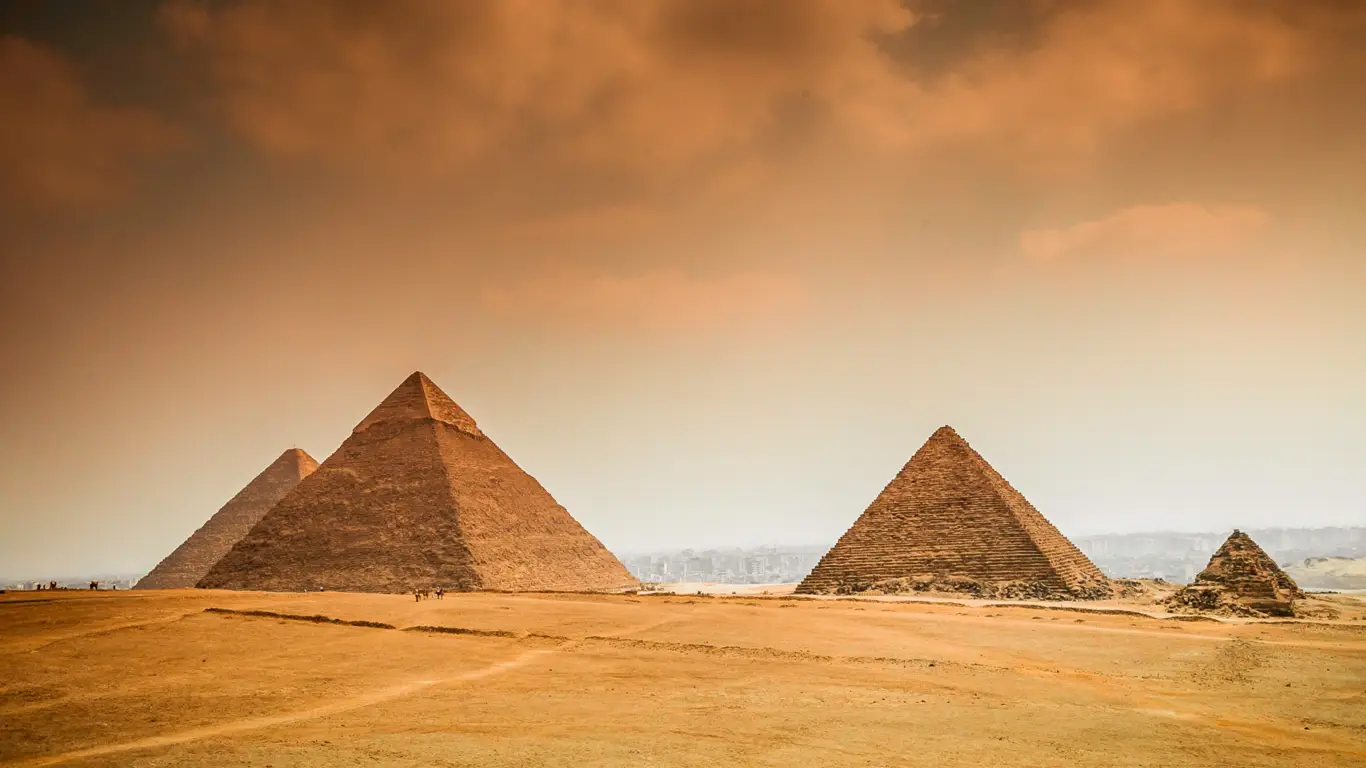
Including the Great Pyramid of Khufu, the Giza pyramids rank among the oldest and most awe-inspiring monuments in history. Built around 4,500 years ago, they served as royal tombs.
Compelling details:
Egypt counts seven principal pyramids, and scholars link that number to the divine image of Osiris. In ancient Egyptian belief, Osiris—lord of the afterlife—received the deceased at seven in the evening, after which they passed through seven rooms and seven gates. As tombs, the pyramids’ number carries strict symbolism.
There are about 140 pyramids in Egypt, most built of limestone blocks joined with a mysterious mortar whose composition remains unsolved. The masonry at Giza is so precise that not even a needle could fit between some blocks.
Khufu’s Great Pyramid weighs roughly five million tons—about the same as 700 Eiffel Towers. Over time, it has subsided by eight meters, as have other pyramids. Scholars believe a single pyramid took decades, not centuries, to build. Khufu’s is said to have been raised in 20 years by around 100,000 workers, most of them paid rather than enslaved.
The geometry and astronomy impress: divide the pyramid’s perimeter by twice its height and you get pi. Each face aligns precisely with the cardinal directions.
Khufu’s is the only surviving Wonder of the Ancient World. Its faces were once clad in polished limestone that gleamed like a cut gem.
Inside lies a complex system of tunnels whose purpose is still unclear. Some passages are too narrow for ventilation or human transit. Legends of curses are often exaggerated—those said to have died by “curse” were in fact poisoned by toxic mold fumes. The labyrinths themselves are real and deadly, and more than a few researchers have perished after losing their way.
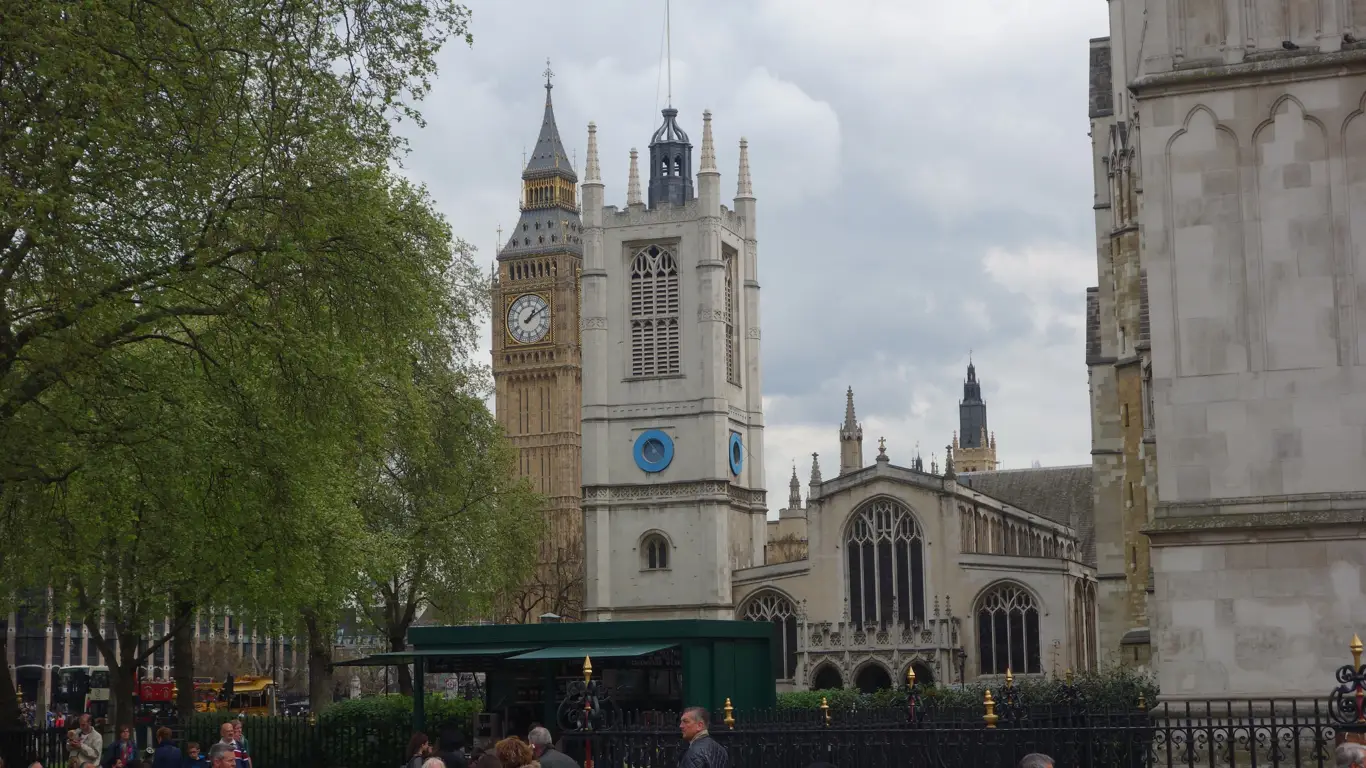
The bell tower of the Palace of Westminster is a shorthand for London itself. Officially named the Elizabeth Tower, “Big Ben” is the moniker most people use—often for both the tower and the mighty bell.
Good to remember:
Strictly speaking, Big Ben is the Great Westminster Bell, the largest of six bells at the Palace. Many call the entire clock tower Big Ben, but the name properly belongs to the 13-ton bell inside.
The tower has been officially known as the Elizabeth Tower since 2012, in honor of Queen Elizabeth II.
The bell weighs more than 13 tons and forms part of the world’s largest four-faced chiming clock. It has been ticking since May 31, 1859, and remains in excellent working order.
At 316 feet, the tower was London’s tallest structure when completed in 1859. Its four clock dials are 23 feet across and glow at night. The mechanism runs on weights that are wound by hand each week. The clock stopped only once—after a worker dropped a hammer into the works.
Architect Augustus Pugin designed the tower, as well as interiors of the Palace of Westminster. During World War II, the tower served as a navigation marker for German bombers, endured the raids, and stayed standing.
