
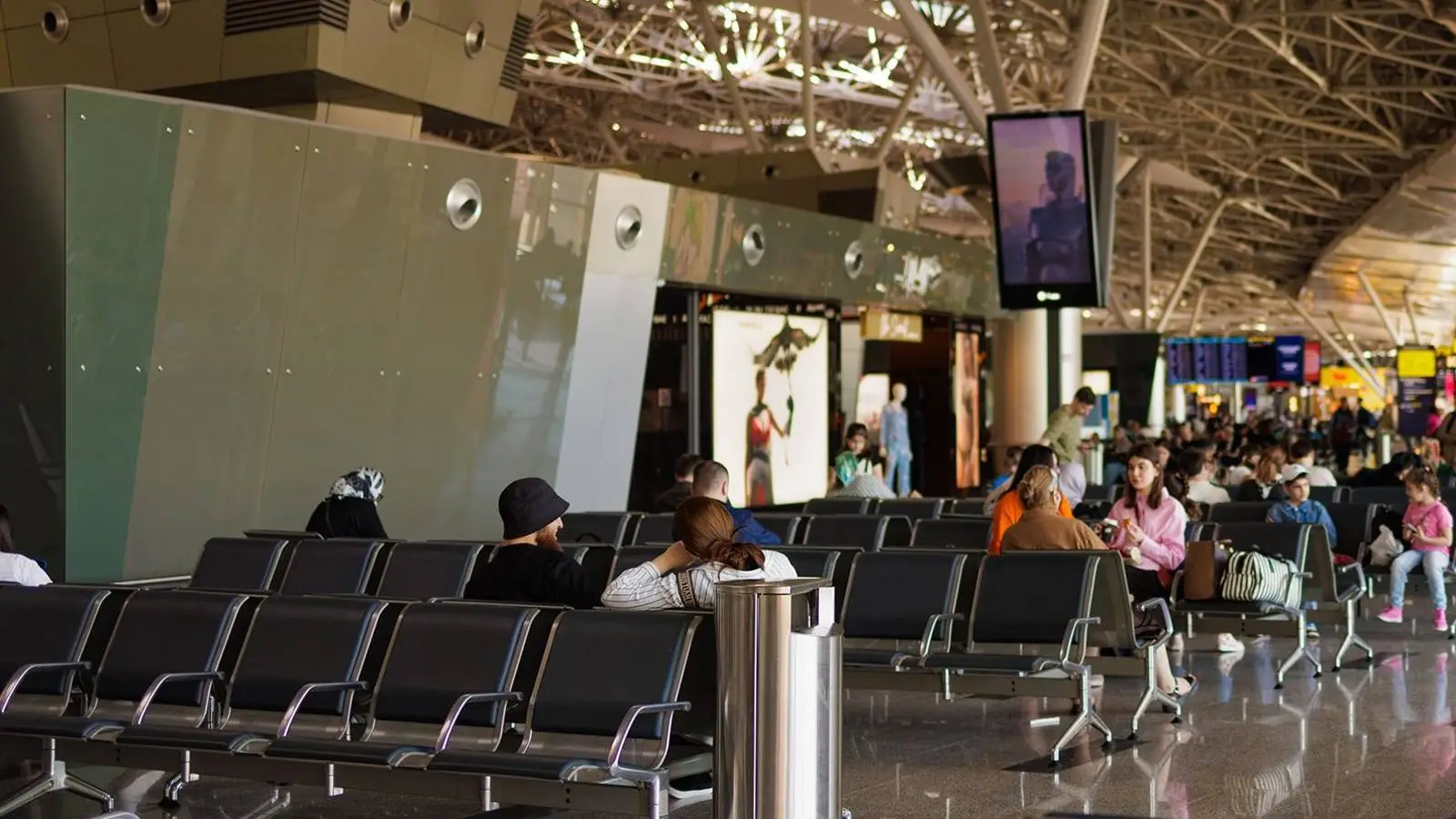
Discover why night flights are safe: advanced systems, less turbulence, lower fares, and easier jet lag. See how overnight flying boosts comfort and savings.
Night flights often strike travelers as riskier, with limited visibility and the body’s natural slowdown after dark. Yet modern research and statistics indicate they can be just as safe—and in some respects even safer—than daytime departures. The reasons span advanced technology, strict regulations, and procedures tailored to nighttime operations. Below, we look at what makes overnight flying a safe bet.
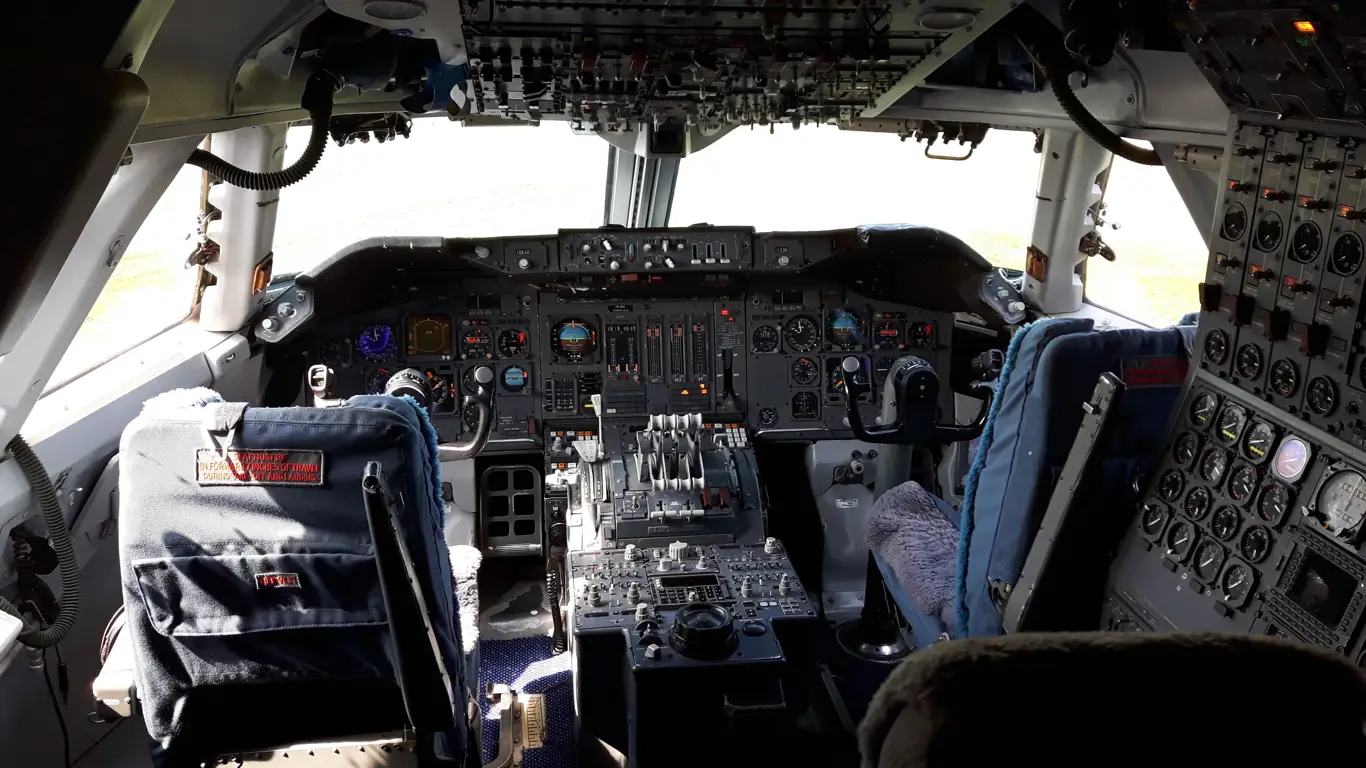
Visibility matters in any form of transport, but aviation is the outlier. Aircraft need visual cues primarily during takeoff and landing. Runways and taxiways are lit with dedicated lighting that guides pilots on departure and arrival. Marker lights and beacons make it easier to identify runways and other critical areas even when visibility is limited. And if an emergency landing is required at a poorly lit airfield, airliners carry powerful lights to deliver the visibility pilots need.
Modern aircraft are equipped with sophisticated cockpit systems that provide precise information on position, speed, altitude, and heading—compensating for the lack of visual references. Many airports use instrument landing systems (ILS) to support safe approaches in low visibility. Airlines and pilots also keep a close eye on weather forecasts and take appropriate measures to keep operations safe.
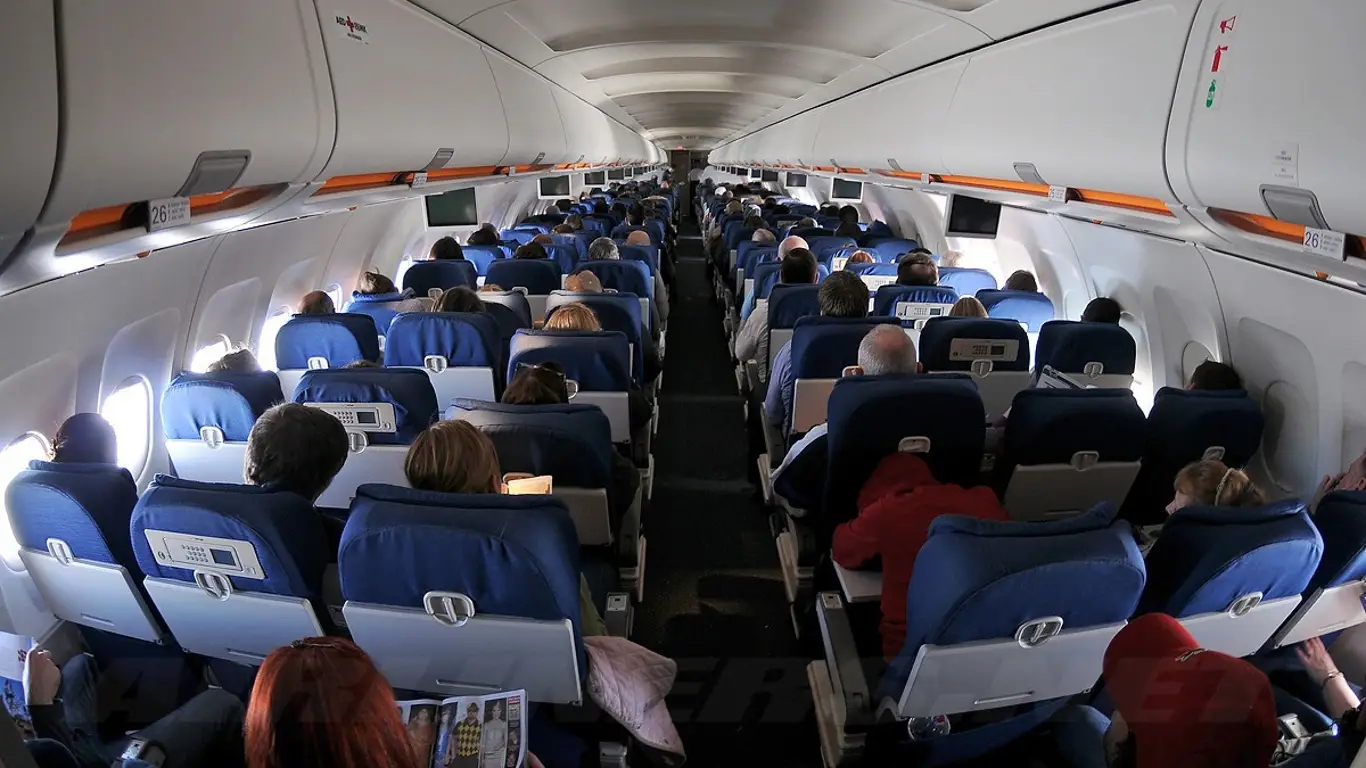
Turbulence is a routine part of flying and can occur at any time of day. It tends to be more common when the air warms and mixes, creating contrasts between warm and cold air masses. At night and in the early morning, the atmosphere hasn’t heated up as much, so the chance of bumps is notably lower.
And even if an aircraft does encounter a light patch of turbulence overnight, many passengers will be asleep. Gentle bumps are less likely to be noticed, which makes night flights feel more comfortable.
After dark, turbulence can still arise from weather such as nighttime thunderstorms, jet streams, or sharp temperature shifts. Pilots and meteorologists carefully analyze forecasts to minimize exposure, often choosing alternative routes or altitudes to avoid rough air. Cabin crews alert passengers ahead of bumpy sections and recommend fastening seat belts, which helps reduce stress and worry. Crews also undergo regular training to handle turbulence and assist passengers—another layer that boosts safety and comfort.
Statistics show that overnight services are less popular with travelers. To stimulate demand, airlines often price night flights lower. For anyone watching their budget, that makes an overnight departure a straightforward way to save—especially when airfares seem to be on a steady climb.
There are savings on the ground, too. Getting to the airport can cost less at night: taxis and other transport options may be cheaper when demand drops. In some airports, night parking is priced below daytime rates. Lower passenger volumes also mean less time spent at check-in, security, and boarding—welcome relief from the usual travel hassle.
On board, passengers are more likely to sleep, which can reduce spending on food and drinks. A night flight can even help avoid paying for an extra hotel night—useful for business trips and short getaways alike. Put together, lower fares, leaner ground costs, and fewer onboard expenses can trim the overall bill.

Flights often involve time zone changes, which push the body to adjust to a new schedule. On arrival, you may need to set your watch several hours forward or back, depending on direction. That shift can cause discomfort and jet lag, with knock-on effects for well-being and productivity.
A night departure can ease the transition. Leaving in the evening or at night, when your body naturally expects sleep, gives you the chance to rest in the air. That reduces the strain of disrupting your sleep pattern and helps your body adapt to the new time zone more gently.
Overnight travel can also aid recovery. Sleeping when you’d normally rest limits the effects of jet lag. You arrive feeling fresher and more prepared—whether for meetings or sightseeing. Night flights also tend to be less crowded, which means a quieter cabin with fewer distractions, making it easier to get genuine rest.
In short, a night flight is not only cost-effective but can also help your body handle the time change. It’s a practical way to land ready for the day—energized and set for what’s next.