
Plan a weekend in Belarus: visa-free entry for Russians, easy transport to Minsk, Mir card savings, shopping and tours, top sights, prices, and souvenir ideas.
Belarus, known for its rich cultural heritage and scenic landscapes, is fast becoming a go-to weekend destination for Russians. A mix of sights, warm hospitality, and easy transport links makes it an ideal pick for short breaks. Here’s how to spend an engaging couple of days exploring its distinct corners and sampling local traditions.
At first glance the country may seem calm and measured, yet behind that quiet veneer lies a trove of active pursuits and cultural discoveries. From historic towns and atmospheric castles to deep forests and postcard lakes, there’s something to suit every traveler. It’s easy to see how a quick trip here can turn into a new favorite habit.
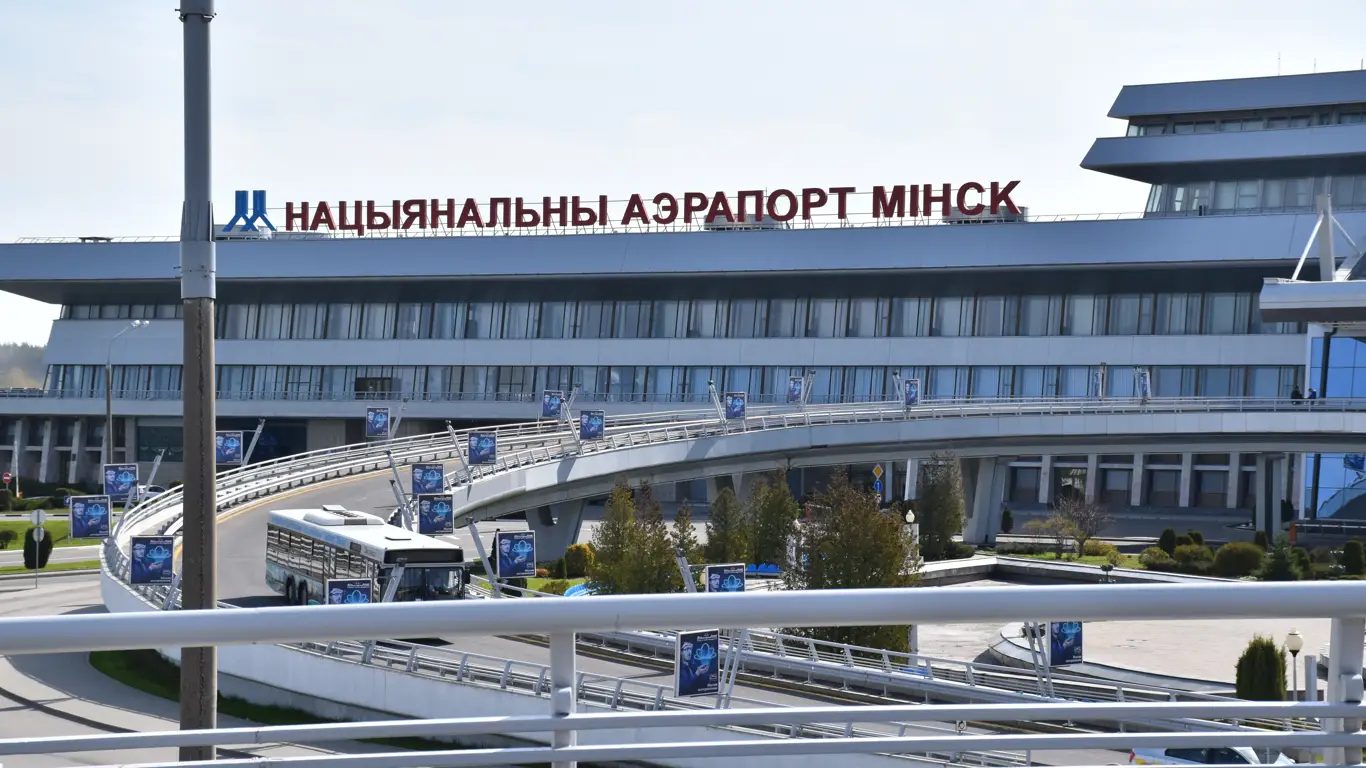
Air, rail, and bus connections between Russia and Belarus are well established. Daily flights from Moscow and St. Petersburg land at Minsk National Airport, about 40 kilometers from the city. In mid-June 2024, one-way fares from Moscow start at about 3,900 rubles.
Roughly a dozen and a half passenger trains depart daily from Moscow’s Belorussky railway station for Belarus. Travel time Moscow–Minsk is around 10 hours, or 6 hours 50 minutes on the Lastochka. In June 2024, rail fares start from about 2,500 rubles. Minsk is also easy to reach by train from Smolensk, Kaliningrad, St. Petersburg, and other cities.
Buses from Moscow to Belarus follow the M-1 highway, with about 10 hours on the road. From St. Petersburg, expect 12–13 hours. Tickets start from about 2,000 rubles. For a larger group, driving can work out cheaper.
Russians do not need a visa to enter Belarus and may stay for up to 90 days without one. Longer stays require a temporary or permanent residence permit.
The best window for sightseeing trips runs from May to September. Ski season starts in December and typically lasts until mid-March, stretching into April in colder years. Spa and health-resort treatments are available year-round.
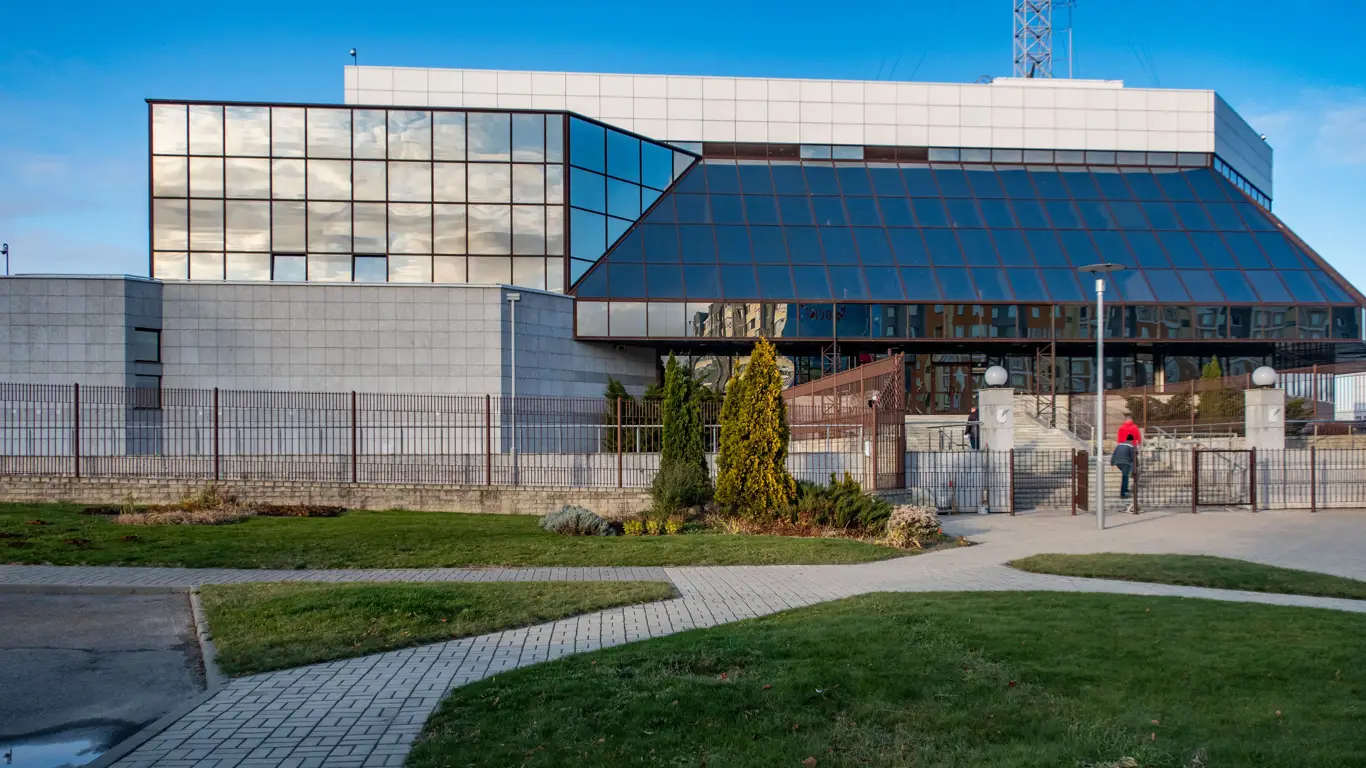
The currency is the Belarusian ruble (BYN). You can exchange money at banks, major malls, hotels, and other popular spots. Euros, US dollars, and Russian rubles are accepted at exchange counters. In 2024 it is more advantageous to pay by Mir card: the exchange rate on card payments is better than withdrawing cash from ATMs. If you arrive by train, note that the first ATM of a major Russian bank sits on level -1 of Minsk’s railway station.
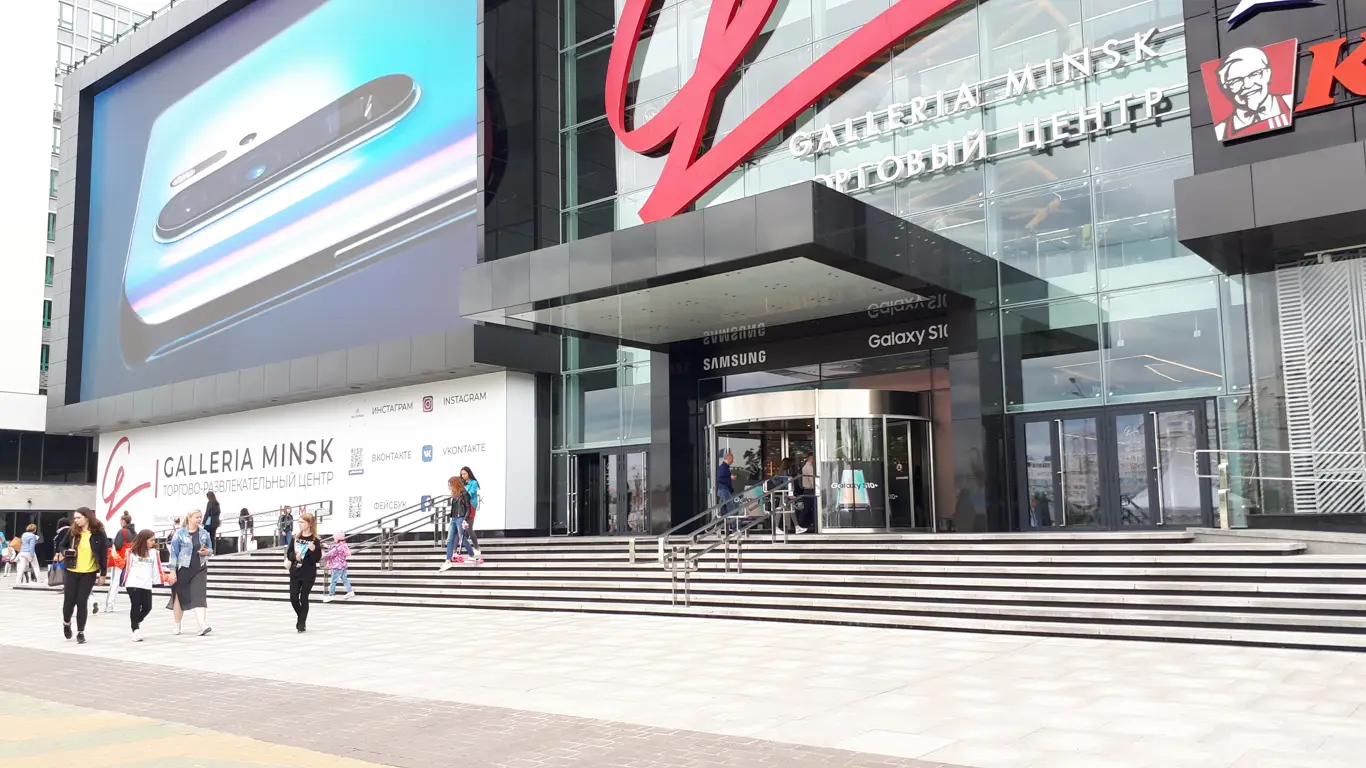
Since 2022, shopping-tour routes for Russians have shifted. Belarus has stepped in where Spain and Italy once led, with many Western brands still operating in Minsk—drawing visitors not just for sightseeing but for purchases.
A shopping trip from Moscow to Belarus is a chance to buy items that have become hard to find in Russia (at least officially).
Burgers and cola from McDonald’s, and sales from Zara, Bershka, Gucci and others remain accessible for those who come to Minsk to shop. Some travelers even plan dedicated “card trips”: Belarusian banks allow you to open a card and use it for payments worldwide without restrictions.
The country’s largest shopping centers include Zamok, Palazzo, Dana Mall, Green City, and Galleria Minsk. In the capital, the underground mall Stolitsa, GUM, Nemiga 3, and Galileo Mall are also popular.
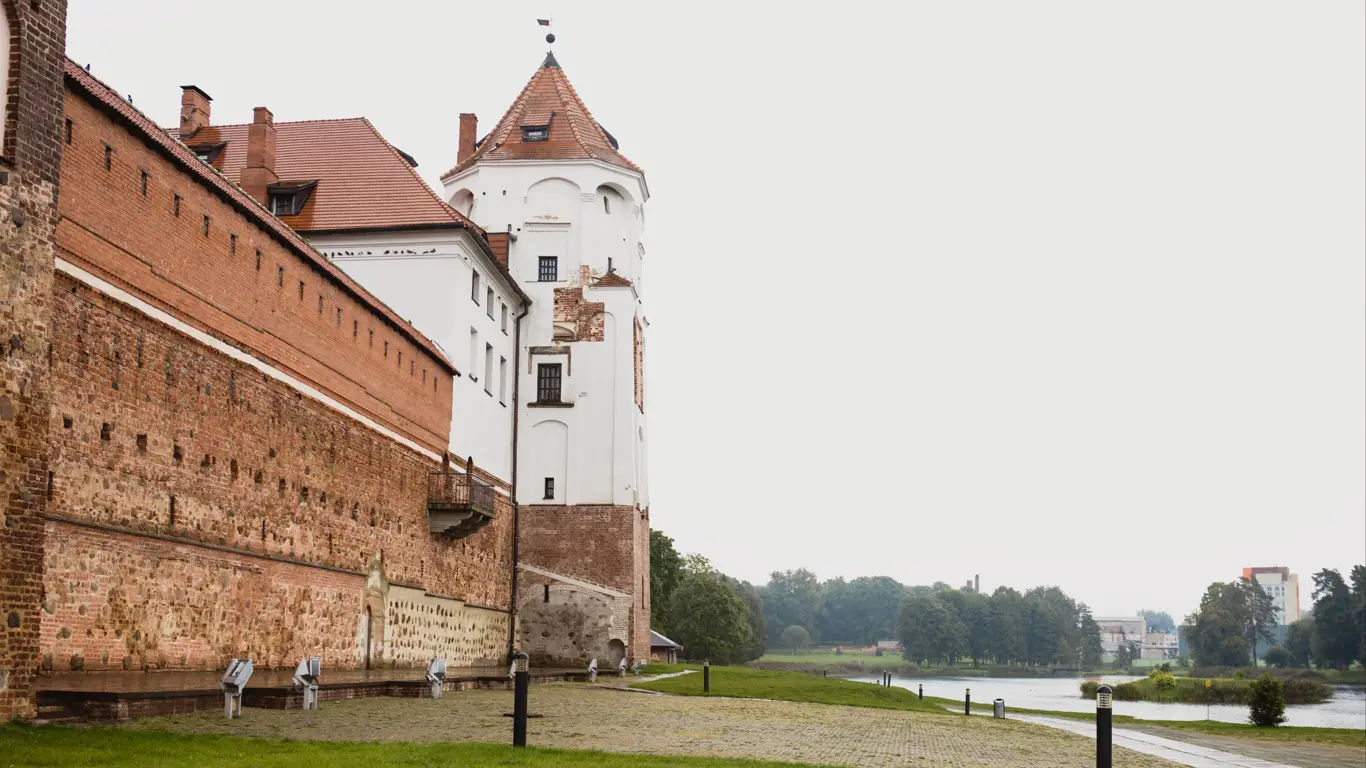
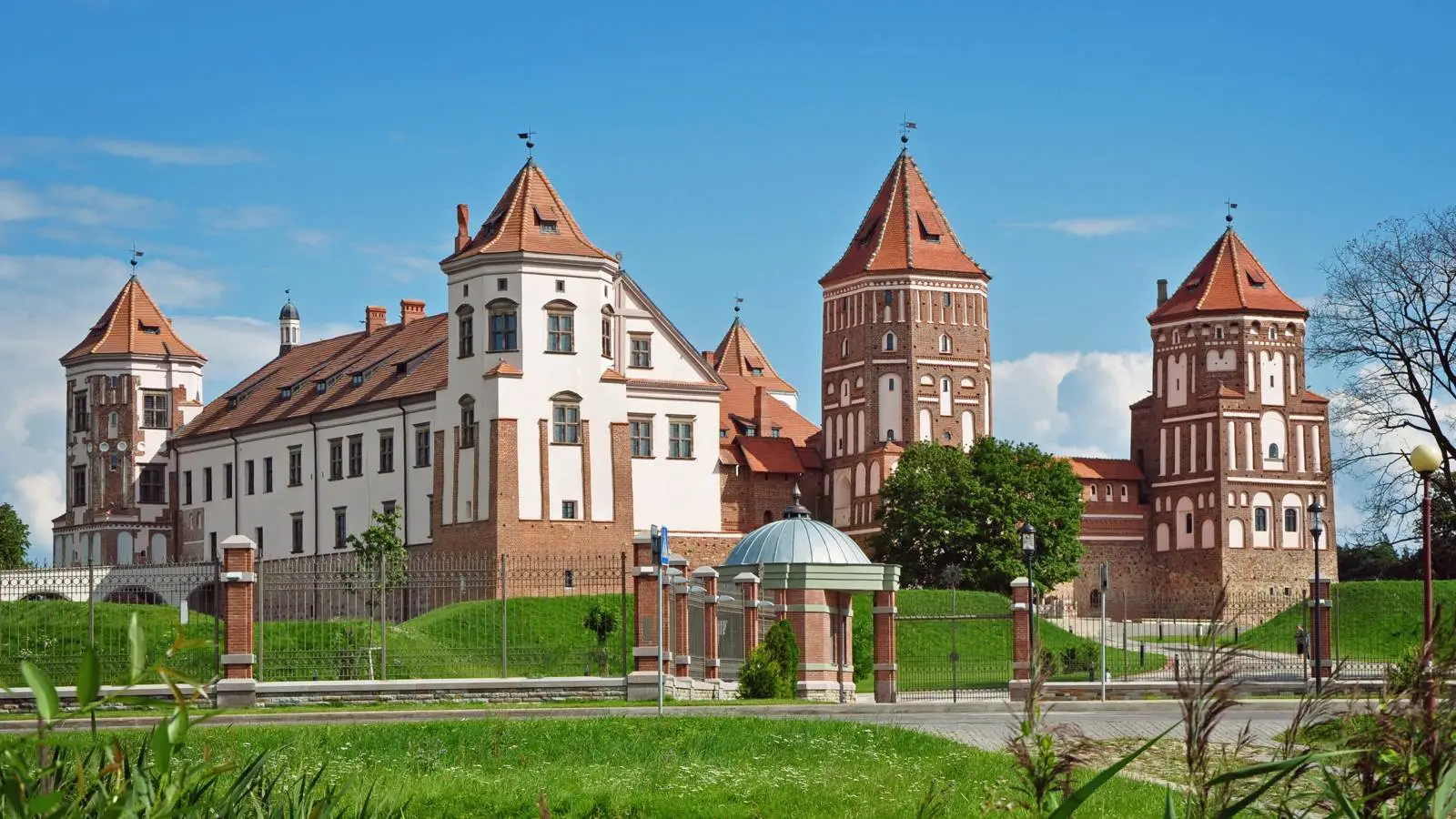
Belarus is far more than shopping—guided excursions are a must. A trip from Minsk to the castles of Nesvizh and Mir with lunch costs about 5,000 rubles. As with hotels, booking ahead pays off if you want to make the most of a short stay.
For example, the five-day budget tour Legends of Belarus starts from 56,200 rubles for two. The two-day tour Millennial Brest starts from 28,200 rubles for two. Belarusian Kaleidoscope, a three-day tour for two, starts from 46,000 rubles.
Belarus is not a beach destination—it has no coastline and its climate isn’t geared to it—but in summer you can swim in rivers and lakes. Minsk offers solid options: the Zaslavskoye Reservoir (the “Minsk Sea”) for swimming, water sports, and fishing; Drozdy, a leafy area with developed beach facilities; and the Tsnyanskoye Reservoir with well-kept sandy beaches in the north of the city.
A good first stop is Minsk itself, with old churches and cathedrals, Stalin-era avenues, cozy lanes, cafes, and parks. Other compelling cities include Grodno, Brest, Gomel, Vitebsk, and Mogilev. For skiing, look to Silichi, Raubichi, Logoisk, Mozyr, and the Yakut Mountains.
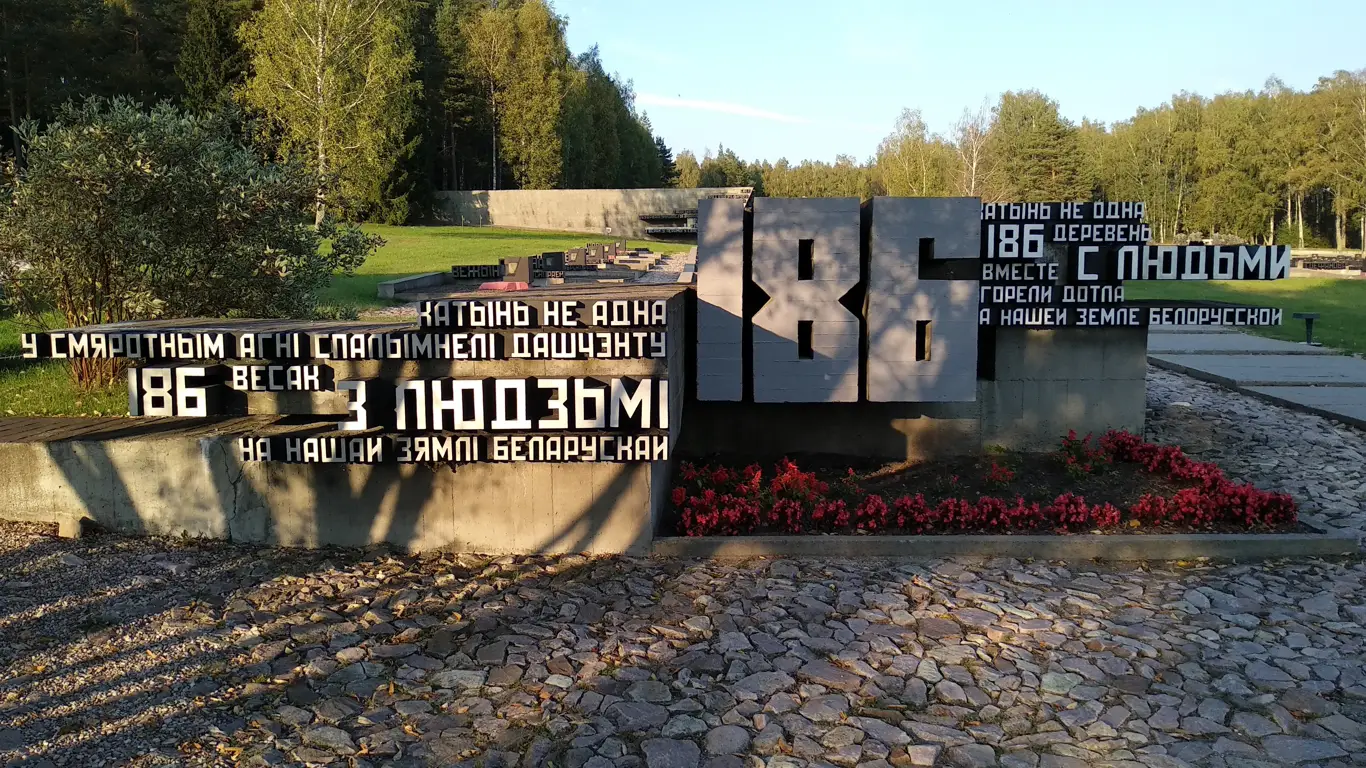
Key attractions include Minsk Zoo, Mir Castle, Nesvizh Palace, the Dudutki folk crafts museum, the Khatyn memorial complex, Napoleon’s crossing point at Studenka, the Kalozha Church in Grodno, and the Trinity Church in the village of Gervyaty.
In the Brest Region, don’t miss the Brest Fortress with its World War II museum, and Belovezhskaya Pushcha National Park.
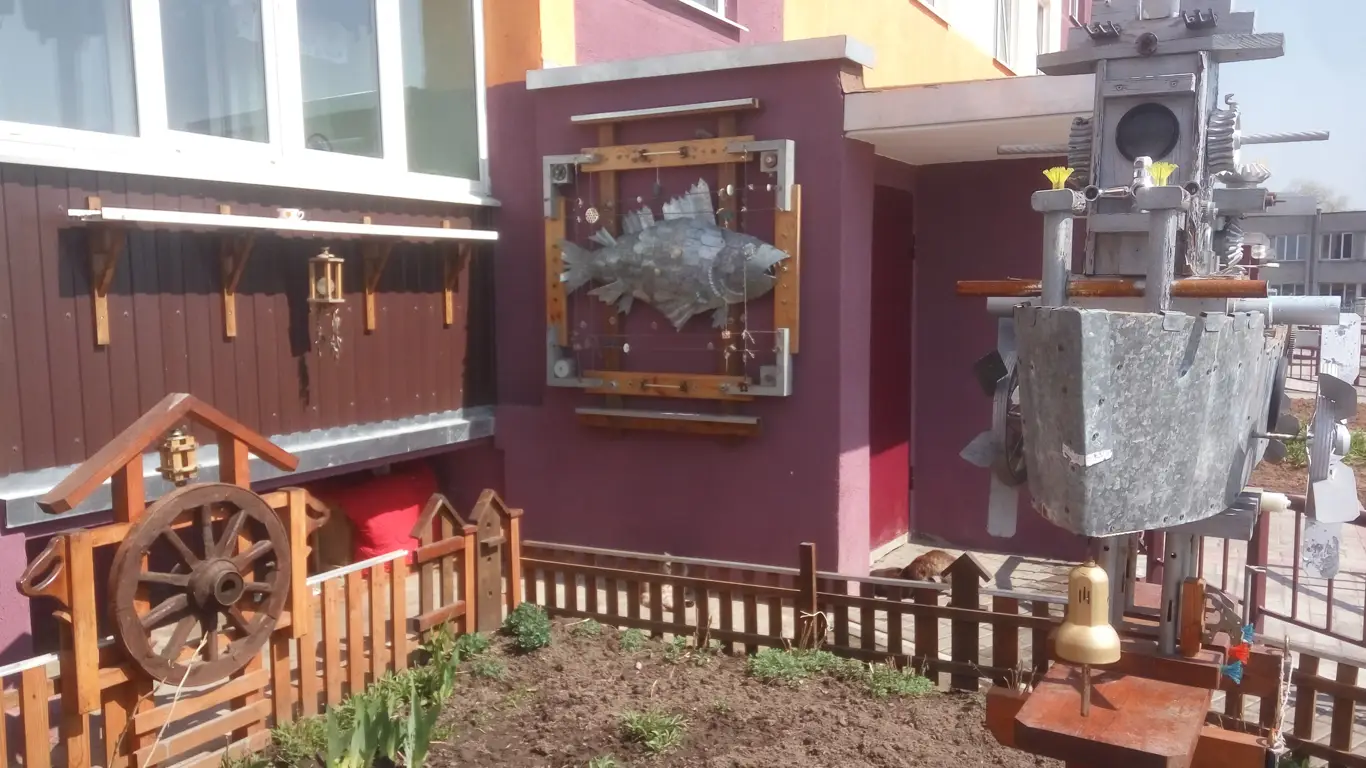
Belarus has launched the campaign “Вандруй. Адчуй. Натхняйся,” aimed at boosting domestic tourism. Participants range across all regions and include agro-eco homesteads, cultural and educational institutions, restaurants and hotels, sanatoriums, tourist complexes, eco-parks, reserves, art galleries, manufacturers, sports organizations, and private hosts.
From June 3 to 9, 2024, visitors can join free tours and quests, attend open days and workshops, sample national cuisine, and explore presentations and special offers. It’s a neat invitation to look beyond the capital.
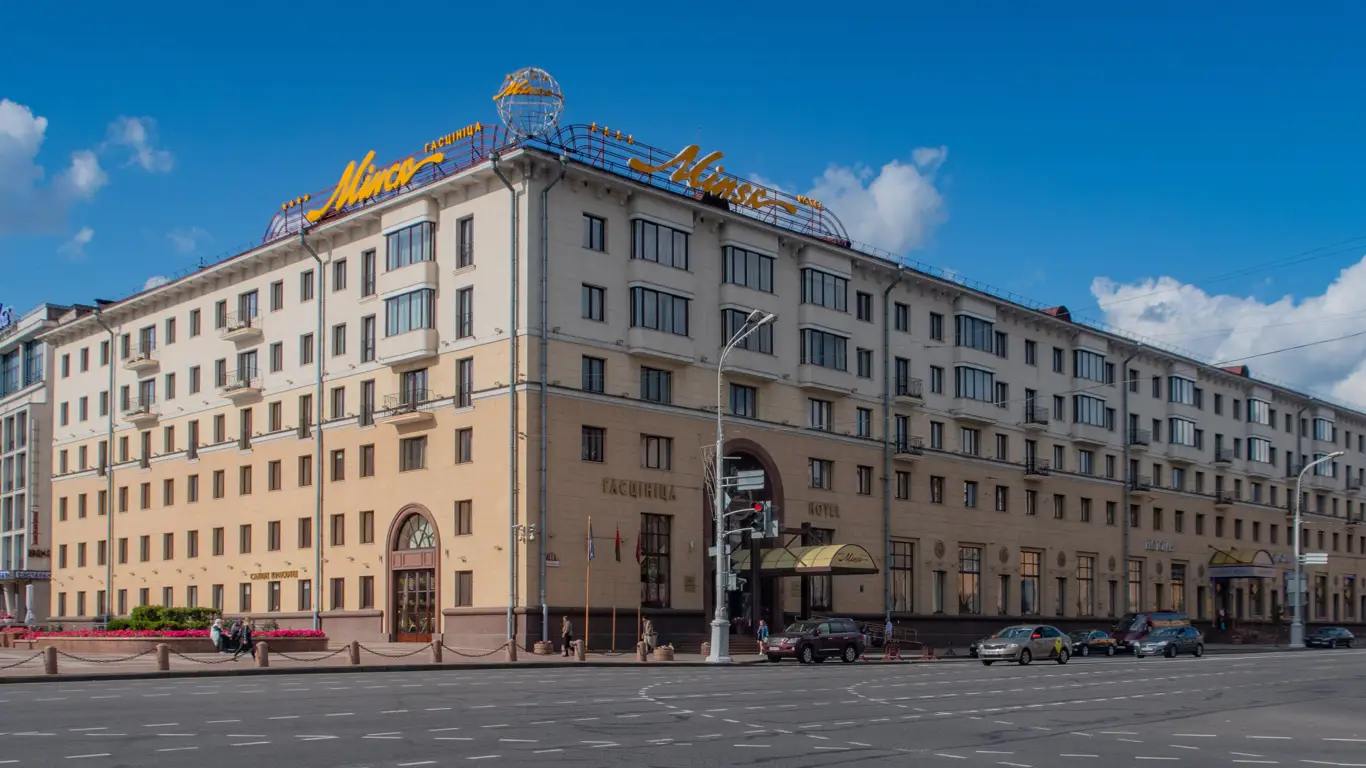
Belarus treats budget travelers kindly. Prices are generally reasonable, and the quality of food and goods is considered high. After the 2014 Ice Hockey World Championship in Minsk, many hotels and hostels opened. Elsewhere in the country the selection is more limited. Outside the capital, a short-term apartment rental or an agro-homestead can be a smart alternative. Expect around 700 rubles for a hostel bed, and from about 2,250 rubles for private rooms. A small apartment or serviced flat also starts near 2,250 rubles. A double room at a four-star hotel starts from about 5,400 rubles, and at a three-star from around 2,700 rubles. Agro-homestead stays can cost from about 700 rubles per bed.
Malls here don’t just have food courts; many offer cozy, affordable restaurants. In 2024, at the Vasilki chain (in the Galileo mall by Minsk railway station), coffee and a large portion of draniki with fish run about 900 rubles. In Grodno’s Trinity mall, a dinner with chicken at Litviny comes to under 900 rubles. It’s hard not to notice the practical upside: prices are kind, logistics straightforward, and distances manageable.
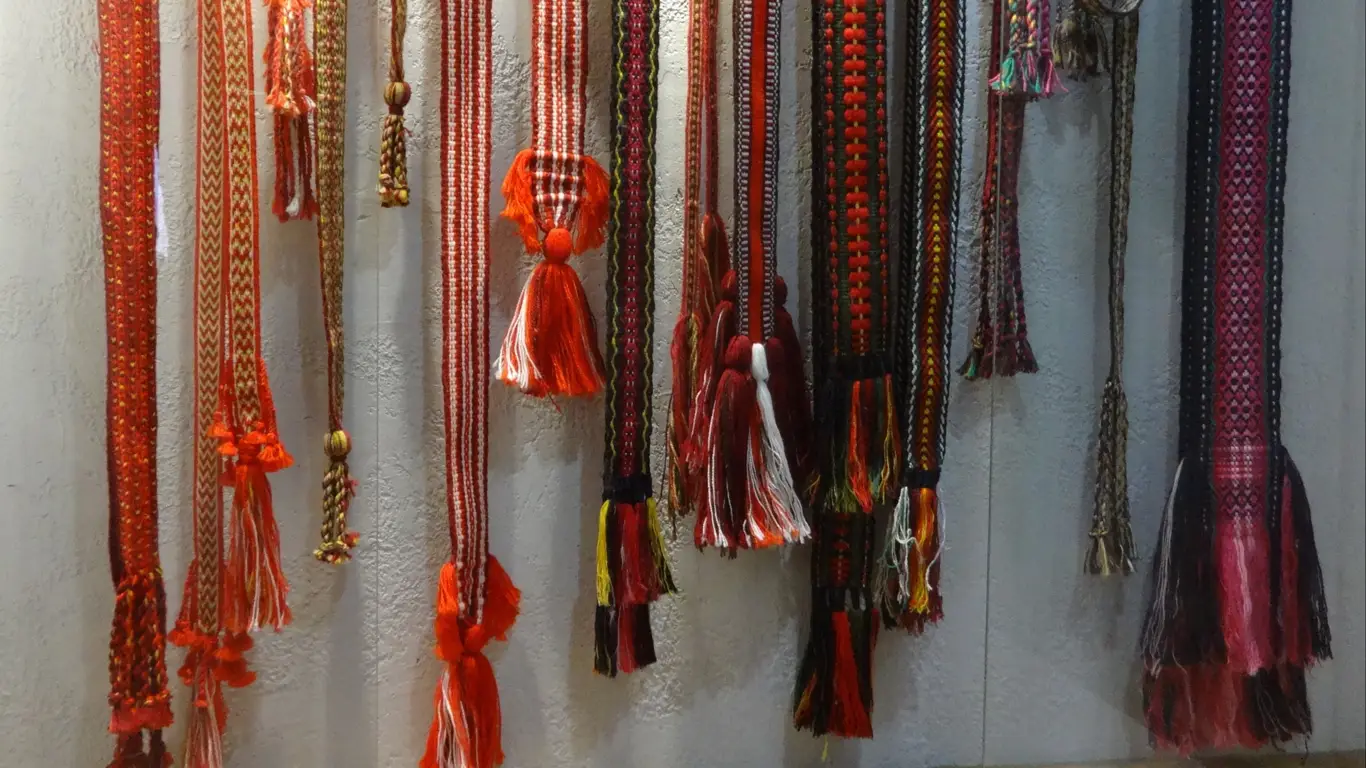
Popular gifts among Russian visitors include the herbal infusions and balms Master Trav and Black Healer, along with Garadzenskaya Garbata herbal teas in various blends. Favorite souvenirs from Belarus also include linen, chocolate, honey, embroidered shirts, Slutsk belts, and straw crafts. You’ll find them in state-run stores such as GUM, TSUM, and Stolitsa, as well as in numerous boutiques and galleries in central Minsk. Even large hypermarkets stock souvenir shelves right on the main floor.
Belarus is an easy, rewarding choice for a weekend away. Its proximity, the lack of a language barrier, and the welcoming attitude of locals keep planning simple and costs contained. If you’re after a balanced mix of culture and nature without leaving the former Soviet Union, this country delivers—whatever the season—and tends to leave warm, lasting memories.
