
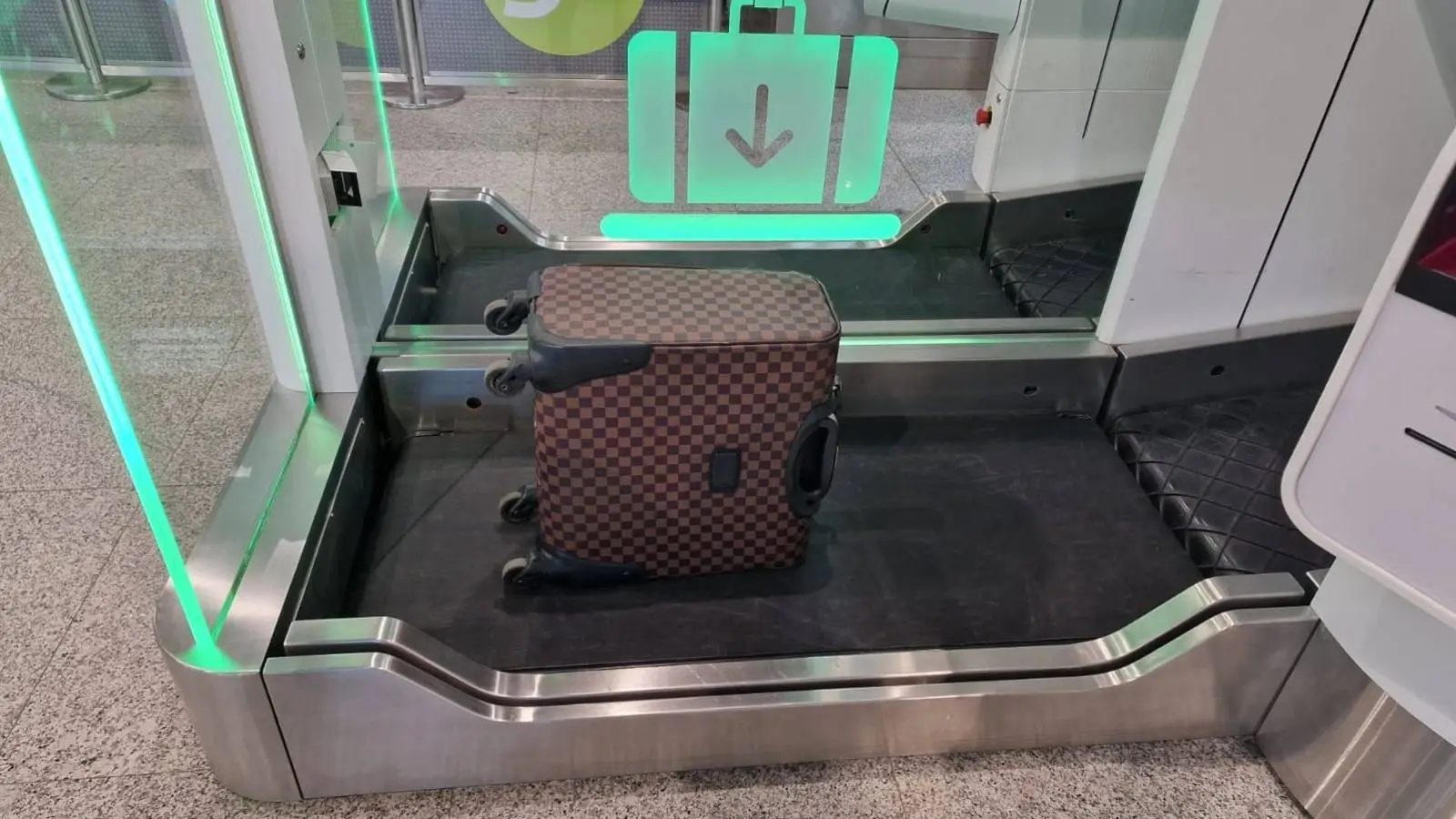
Carry-on rules and size limits for Aeroflot, S7, Red Wings, Azur, Nordwind, Ural and Turkish. 100 ml liquids, baby essentials, batteries, stowage tips.
Flying comes with a set of carry-on rules meant to keep everyone safe and the cabin orderly. We pulled together what the major carriers allow and where the strictest “no” lives—those little details that, if missed, can derail a trip before it starts.
This guide covers carry-on rules for Aeroflot (Russia), S7 Airlines (Russia), Red Wings Airlines (Russia), Azur Air (Russia), Nordwind Airlines (Russia), Ural Airlines (Russia), and Turkish Airlines (Turkey).
Plan to keep all essential documents in your personal item: passport, tickets, visas and anything else your trip requires. Cash and bank cards are worth keeping close too. Phones, tablets, laptops, e‑readers and chargers are allowed, but you’ll need to remove them at security screening. Medicines are permitted in the cabin—ideally in original packaging—and for potent drugs it’s best to carry a prescription or doctor’s note. Liquids, gels and aerosols up to 100 ml each are allowed if placed in a single transparent plastic bag of up to 1 liter. That covers cosmetics like toothpaste and shampoo as well.
Snacks such as nuts, fruit and packaged bites are fine to bring on board. Liquid or gel‑like foods over 100 ml are not. Water and other drinks up to 100 ml are permitted, and anything you buy in Duty Free after security can go with you on the plane. A simple rule of thumb: if it pours or spreads and it’s over 100 ml, it belongs in checked baggage.
A light jacket or small blanket never hurts—cabins can run cool. Glasses, hats and reading material are allowed. Traveling with a child? Baby food, diapers and toys that meet safety rules are permitted. Sports gear and musical instruments may fly as carry-on if they fit an airline’s size and weight limits. When in doubt, check before you pack; it saves time at the gate.
Carry-on should go either in the overhead bin or fully under the seat in front. Follow crew instructions for stowing larger items. Under-seat storage in exit rows isn’t allowed during takeoff and landing, which can surprise travelers who rely on that space.
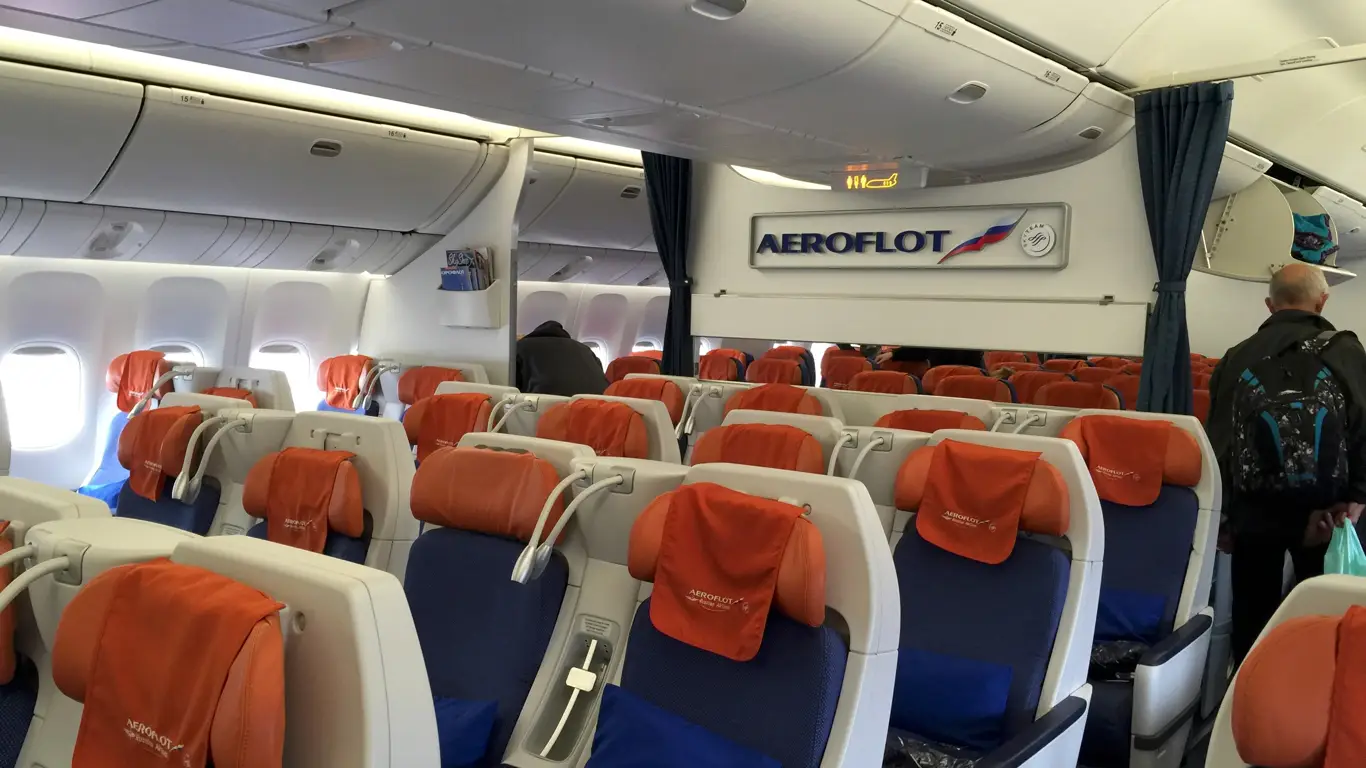
Aeroflot accepts carry-on that excludes prohibited items and can be safely stowed in the cabin. Economy and Comfort Class: one piece up to 10 kg. Business Class: one piece up to 15 kg. Maximum dimensions for one piece in all classes: 55 cm × 40 cm × 25 cm.
Beyond that allowance and free of charge, passengers may bring a backpack up to 5 kg with a total size of no more than 80 cm (a handbag or briefcase is acceptable instead), a bouquet of flowers, outerwear, a cane umbrella (not a beach umbrella) and a suit in a garment bag. Medicines and special dietary items needed for the flight, plus baby food, are allowed in the cabin. Acceptable child items include a baby bassinet, child restraint systems for children under two, and a stroller no larger than 42 × 50 × 20 cm. Aeroflot also permits crutches, canes, walkers, rollators, a folding wheelchair, removable limb prostheses, and a portable oxygen concentrator.
A folding wheelchair may travel in the cabin if space allows; otherwise it is checked at no extra charge. Duty-free purchases may be brought aboard in one sealed plastic bag with a total size no more than 115 cm.
A musical instrument can be carried as the single piece of carry-on if the sum of its dimensions does not exceed 135 cm. You may also take one tennis or squash racket in a cover, or a badminton set consisting of two basic rackets and three shuttlecocks. If you choose any of these, no other carry-on is permitted.
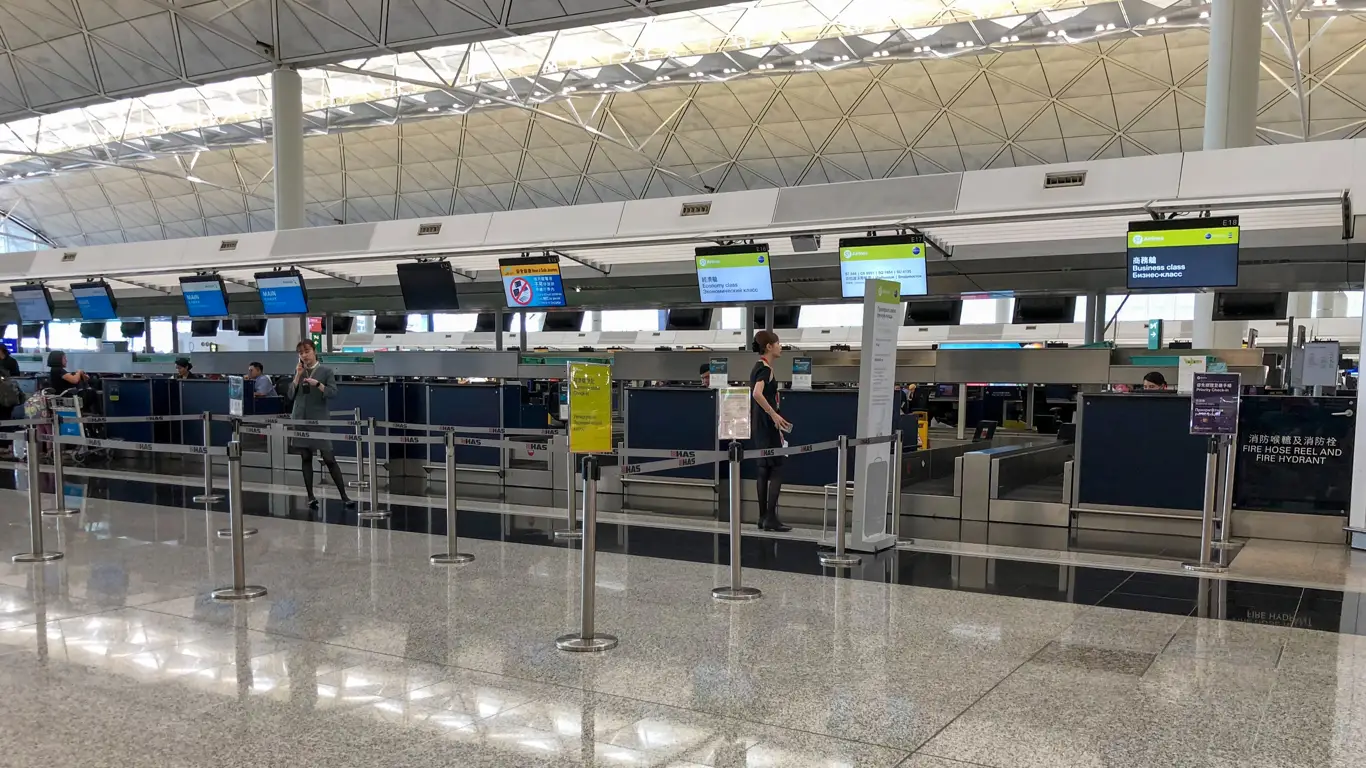
Maximum size for one carry-on item in all classes: 55 cm × 40 cm × 23 cm. S7 applies rules similar to Aeroflot’s, with extra emphasis on items strictly banned in carry-on: liquids and gels in containers over 100 ml; weapons of any kind and their replicas; sharp items such as corkscrews, scissors, needles, axes, ice picks, razor blades, knives, swords and daggers. Bats, clubs and hand-to-hand combat devices are not allowed in the cabin. Nor are tools like saws, crowbars, drills and bits. Syringes and needles for subcutaneous injections require a doctor’s note confirming injections are needed during the flight. Mercury barometers are strictly forbidden in the cabin.
The airline also lists items banned even in checked baggage: fireworks and signal flares; oxidizers and organic peroxides; bleaches and fiberglass repair kits. Compressed gases (butane, oxygen, propane and scuba cylinders), poisons, insecticides, herbicides, arsenic, cyanides and infectious substances (including bacteria and viruses) are prohibited in any baggage.
If you board late and there’s no space left—neither overhead nor under the seat—ask the crew. They will have ground staff tag your bag Limited Release and place it in the hold free of charge. A small ask early prevents a bigger delay later.
Phones, tablets, power banks and e‑cigarettes containing batteries are recommended in carry-on only; they must not be checked.
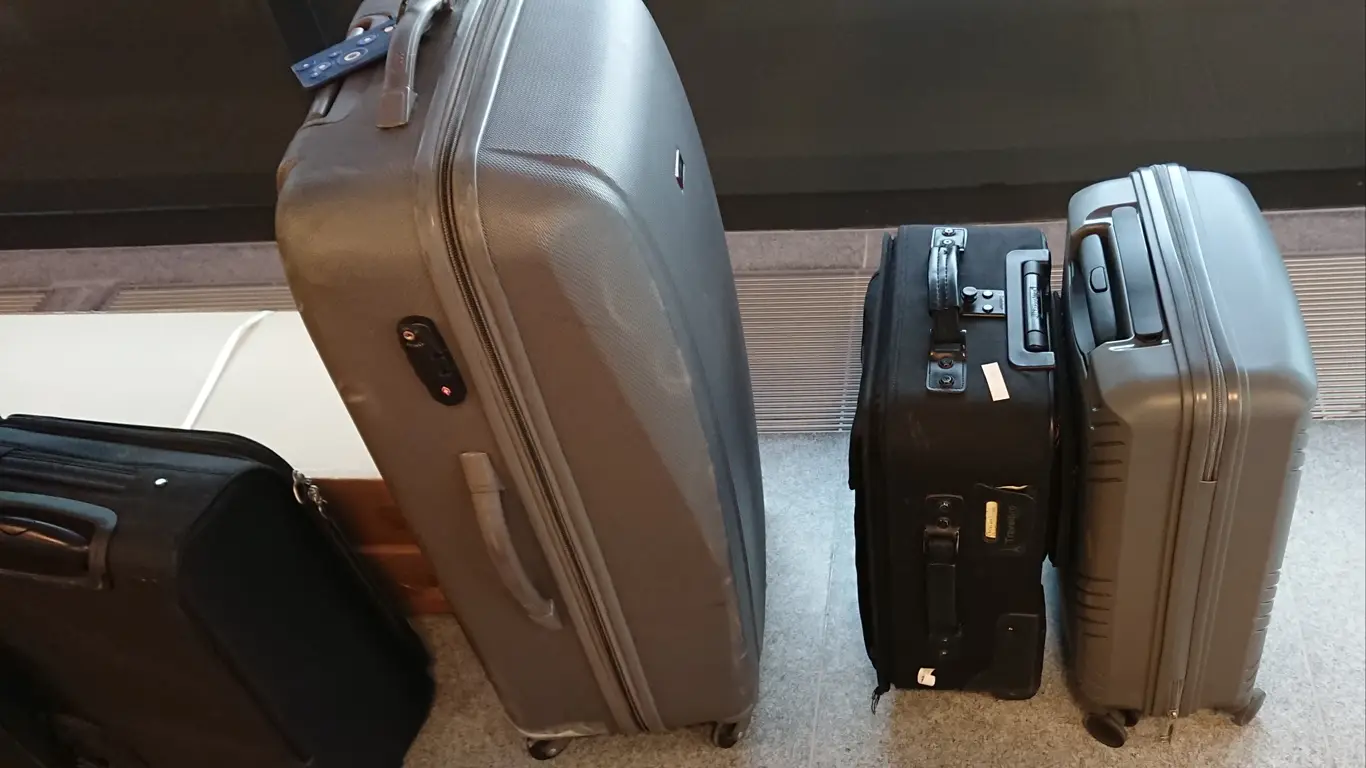
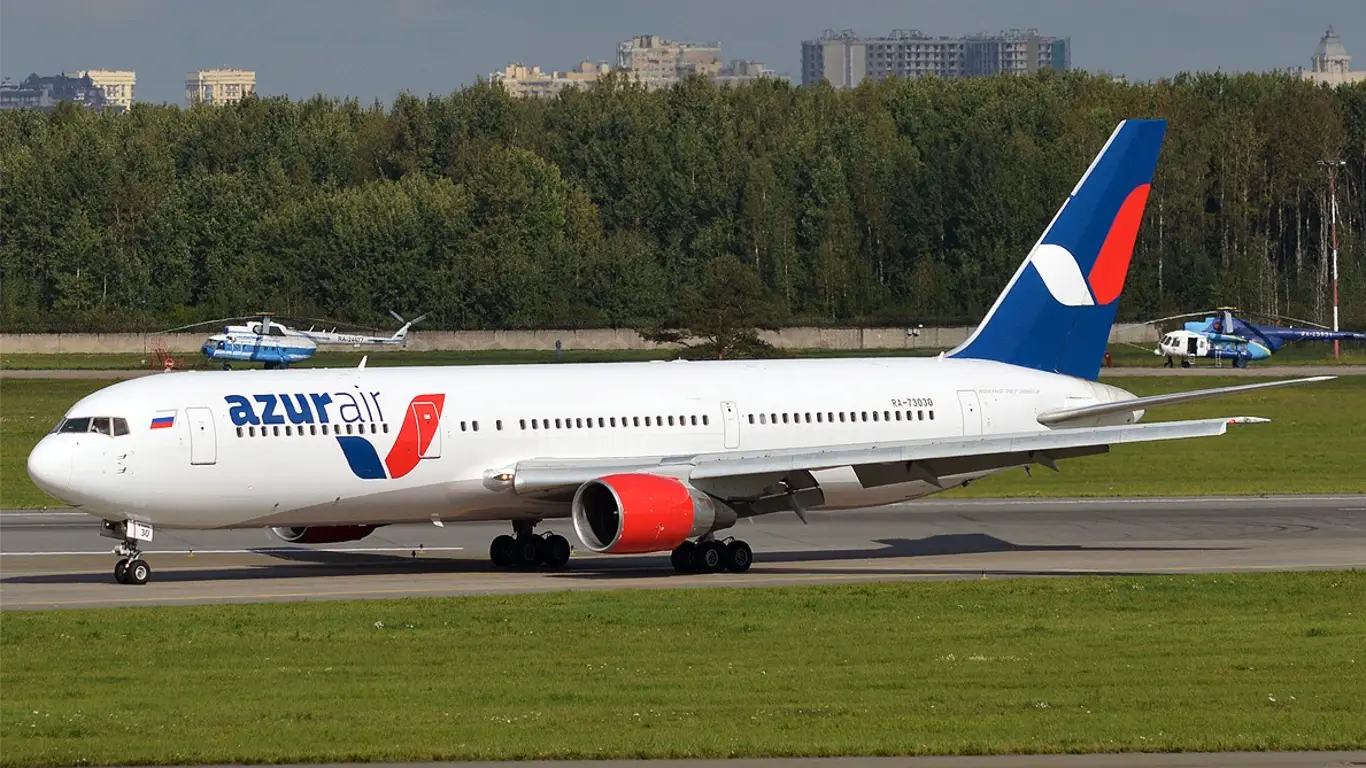
Red Wings applies standard carry-on and checked baggage rules. If you need more than your fare includes, you’ll pay an extra fee—buying in advance on the website is cheaper and speeds things up at the airport.
Carry-on size must fit 40 cm × 30 cm × 20 cm. Economy and Comfort Class: one piece up to 5 kg. In addition to the usual permitted items, Red Wings highlights doctor-prescribed medicines needed during the flight in the form of mixtures, ointments or gels up to 100 ml, as well as insulin and medical supplies. Be prepared to document their necessity if asked.
Empty containers—cups, mugs, baby bottles, laboratory test tubes and beakers—are allowed in carry-on. Hygiene wipes, tampons, towels, talc and contact lenses with up to 100 ml of solution are permitted. Liquid foods needed during the flight must be supported by documentation. Practical? Yes. Unexpected for many travelers? Also yes.
At check-in, passengers must present items for weighing, except those needed during boarding, disembarkation or the flight. In addition to standard cabin items, you may bring—beyond the regular carry-on allowance—one medical thermometer, one mercury blood pressure monitor in a standard case, and one mercury barometer or manometer in a sealed, tamper-evident container (one item per passenger). Also allowed: one disposable lighter, a 3% hydrogen peroxide solution in a 100 ml bottle and up to 2 kg of dry ice.
As for liquids, gels and aerosols classed as non-dangerous: containers over 100 ml are not allowed in the cabin, even if partially filled. You may carry one transparent plastic bag up to 1 liter per passenger holding containers up to 100 ml each.
Baggage pooling is not permitted, including combining free and paid allowances. On Phuket—Moscow flights, the services “Fruit basket up to 5 kg” and “Additional baggage” are unavailable, so transporting fruit and extra baggage beyond what’s shown on the ticket isn’t possible.
To receive a “Carry-on” or “Checked baggage” tag, passengers must present all items at the check-in counter for weighing—baggage, carry-on, backpack and baby stroller. If a passenger refuses to pay for excess baggage, the airline may refuse carriage. Some routes and fares have exceptions to standard free allowances, and you’ll be informed at booking.
Nordwind notes that a folding wheelchair must be checked. A cabin wheelchair is provided for moving around onboard. Baby strollers, including umbrella models, travel in the hold as checked baggage in addition to the standard allowance; you may use the stroller until boarding, after which it must be handed over for loading. A predictable system, and it helps ground staff keep boarding smooth.
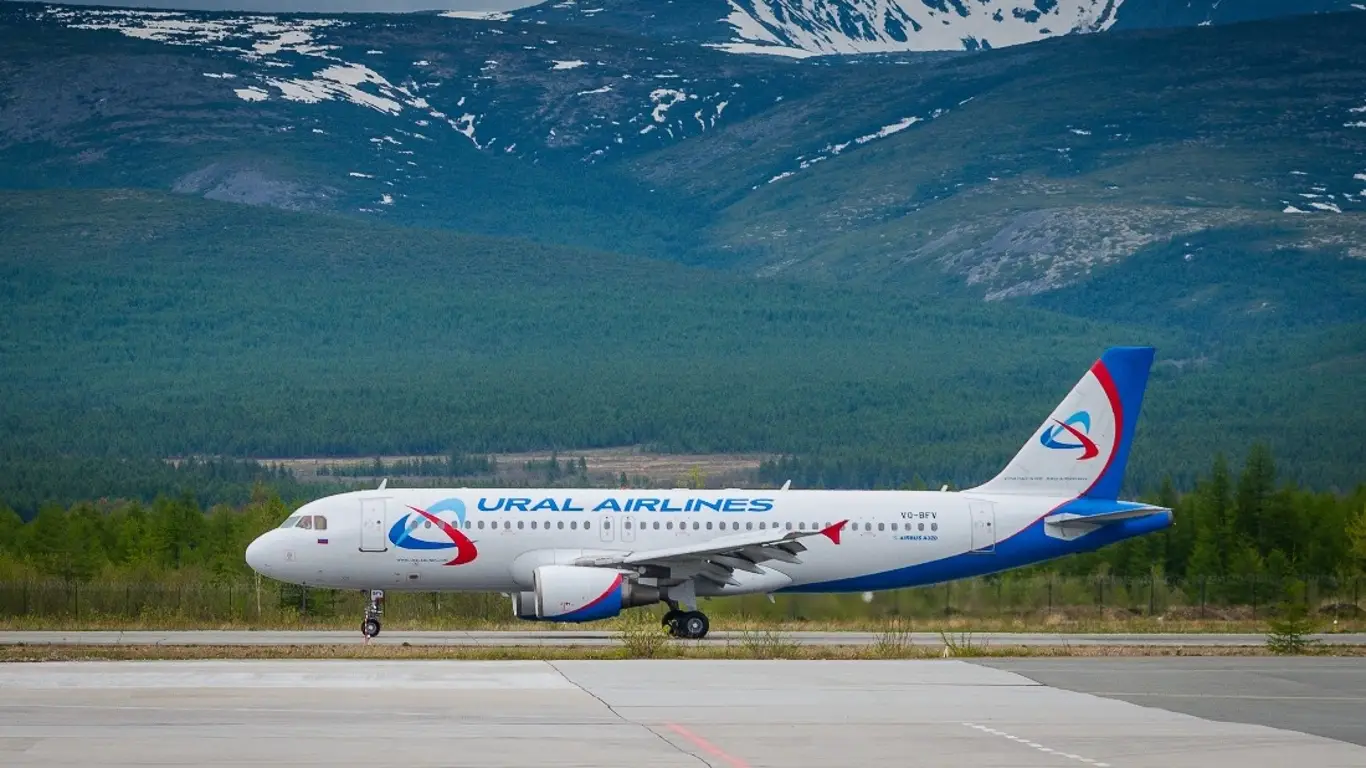
Passengers may bring one piece of carry-on. Maximum size for all classes: 55 cm length, 40 cm height, 20 cm width. Economy Class: up to 10 kg.
To check size, place the item in the calibrator frame in the airline’s check-in area. It must fit completely, including wheels, pockets, locks and other fittings.
Carry-on placement follows color tags. A red tag means the item is within 55 × 40 × 20 cm and 10 kg and must go in the overhead bin. A green tag is for paid carry-on that exceeds 55 × 40 × 20 cm and/or 10 kg and also goes overhead. A yellow tag marks smaller, soft items without a rigid frame; those may go under the seat in front.
Nothing may be stowed under seats in exit rows—even items with a yellow tag. Otherwise, the list of permitted and prohibited items aligns with most carriers’ rules.
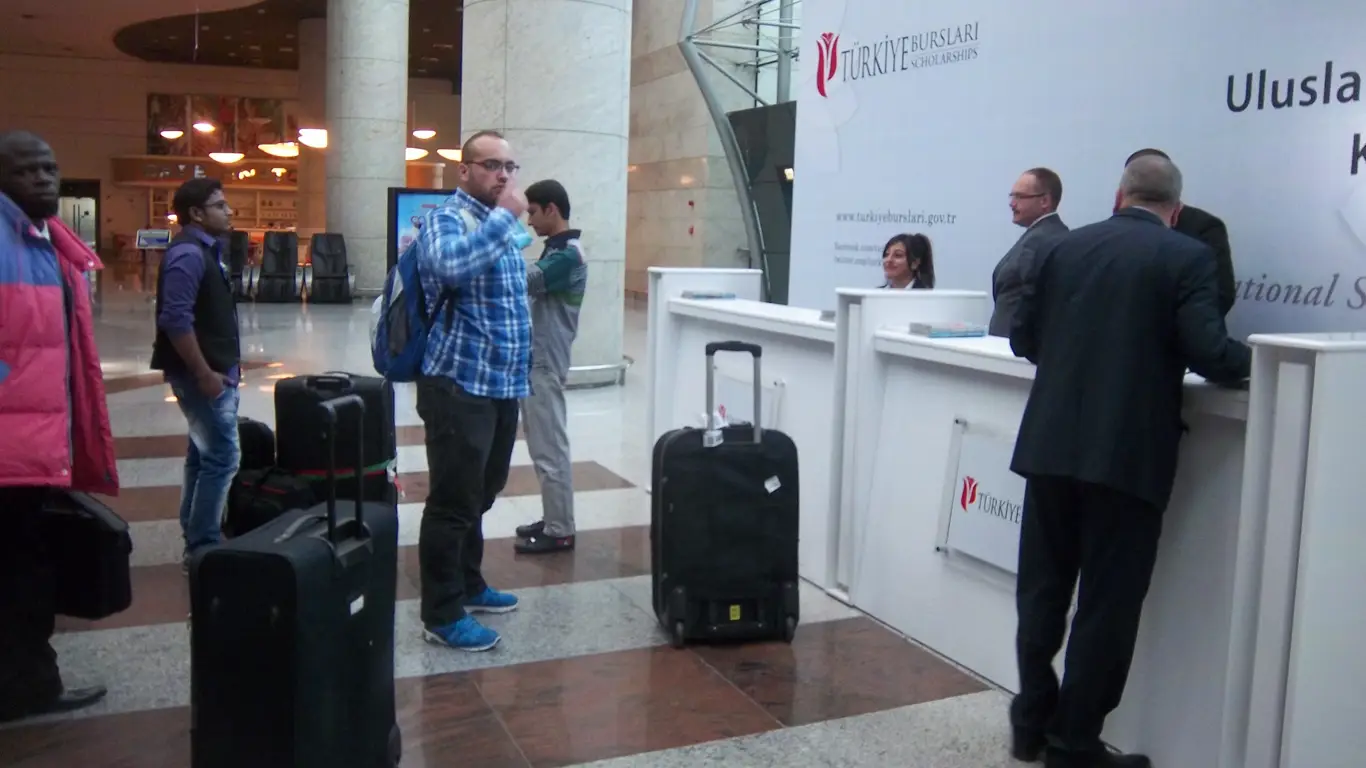
Turkish Airlines is Turkey’s flag carrier based in Istanbul. It operates regular flights to 220 international and 42 domestic airports across Europe, Asia, Africa and the Americas, serving 120 countries—more than any other airline.
Economy Class passengers may bring one carry-on up to 23 × 40 × 55 cm and 8 kg, plus one personal item, such as a handbag, up to 4 kg. Business Class passengers may bring two carry-ons, each up to 23 × 40 × 55 cm and 8 kg, plus one personal item up to 4 kg.
Permitted liquids—perfume, deodorant and contact lens solutions—must be in original packaging, each up to 100 ml. Containers over 100 ml are not allowed in the cabin, even if only partly filled. All containers up to 100 ml must fit in one transparent bag of up to 1 liter; only one such bag is allowed. Shaving foam and toothpaste are permitted. When traveling with an infant, bring as much baby food—liquid or solid—as needed for the flight. Solid and liquid medicines in factory packaging may be carried if you have medical documentation. Lighters are allowed if they are not shaped like a weapon. Cosmetics such as creams, lotions, mascara and lipstick are permitted. Tennis or squash rackets are allowed if they’re in a special bag.
Some items face restrictions in carry-on under international flight rules and are better checked for comfort. On domestic flights, transporting weapons incurs an extra fee, with exemptions for VIP passengers from the Rical list and their guards, passengers with a government ID that includes weapon information, holders of licenses for transport for government employees or government retirees, active and retired police, TAF personnel with valid IDs, and village guards. In the cabin and in carry-on, golf clubs, baseball bats, cricket bats and similar sports gear are not allowed, nor are flammables like camping stoves, or sharp and cutting items such as sewing kits.
If carry-on is damaged due to the actions of a crew member, Turkish Airlines will compensate the full amount. Passengers are responsible for other types of damage.
Following carry-on rules is key to both safety and a smoother experience. Knowing the limits helps you clear security without hiccups. Anything that might pose a risk belongs in checked baggage. A quick check of your airline’s current policies before you fly is a small step that pays off in an easier trip.