
Discover Haifa’s shift from refineries and port cranes to Israel’s tech hub: Matam, Technion, smarter port plans and bay cleanup shaping a livable city.
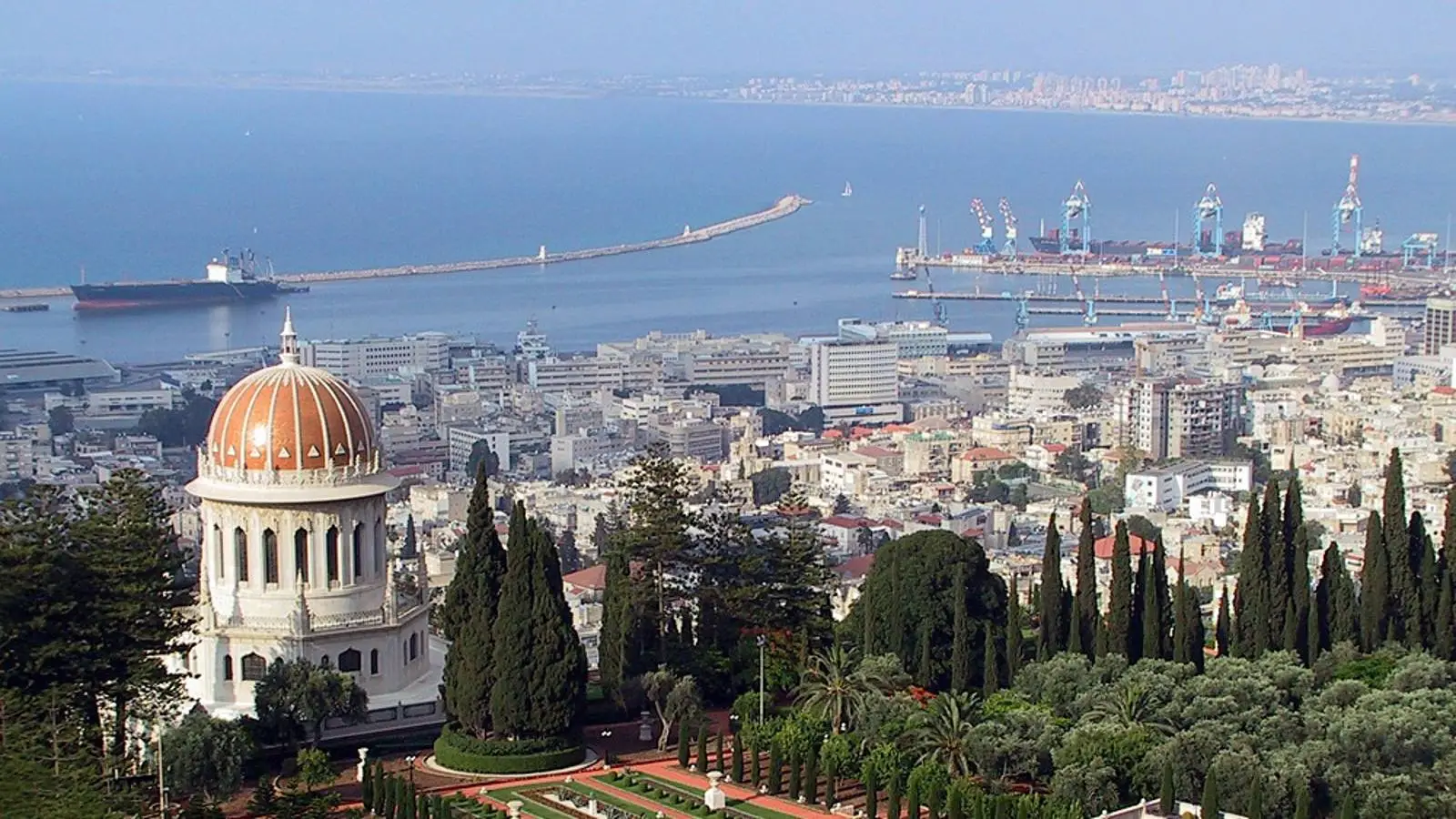
If you have ever been to Haifa or just seen it in photos, you likely noticed a striking mix: a working seaport, the green slopes of Mount Carmel, and sleek buildings branded by the world’s biggest companies. Behind that image sits a real story of transformation. Over the past few decades, the city has shifted dramatically: from a place of factories and oil to Israel’s technology hub—and that is happening in practice, not just on paper.
Haifa has history. People lived here thousands of years ago, and later the city produced glass and dyes. With the arrival of the 20th century, Haifa became an industrial capital: the port expanded, oil refineries operated, and chemical plants worked at full tilt. This was especially true in the bay area, where major plants and fuel storage sites were concentrated.
That wave of industrialization mattered for the country, yet it had a price: air pollution, unpleasant odors, and limited room for modern development.
Change accelerated with the rise of science and technology. In the 1970s, the Matam technology park appeared in the south of Haifa; its name expands to Scientific and Industrial Center. Today, Matam is Israel’s largest technology park, home to giants such as Intel, Google, Apple, Microsoft, Amazon and others.
A new office complex, Matam East, is now under construction with a total area of more than 120,000 square meters. It is more than additional floor space—it signals that Haifa has firmly stepped into the high‑tech world.
Two major universities are nearby—Technion and the University of Haifa. That proximity creates a direct bridge between education and real jobs: students study and can immediately find work in the same area.
The Port of Haifa remains a vital part of the city, and it is changing, too. In recent years, new piers have been built, modern cranes installed, and processes have begun to be automated. In plain terms: faster, cleaner, more convenient.
In 2025, the city authorities approved a new plan under which the old sections of the port—where fuel was stored and oil companies operated—will be closed. In their place, logistics centers, modern warehouses and, possibly, residential neighborhoods will appear. It reads as another step in moving from a seafront factory model toward a smart city.
The crucial question is what to do with the vast zone of old plants by the bay. Many of these facilities are no longer needed, yet they occupy hundreds of hectares. The authorities want to clean up the area, close hazardous sites, and build homes, parks and new offices there.
The goal is clear: turn this part of the city into a comfortable place to live and work. The project is large and will take time, but work has already begun. The direction feels set.
Not quite. When legacy industry leaves, jobs go with it. People who worked at the plants cannot always switch immediately to technology or logistics. That creates tension.
There is an upside, though: in recent years Haifa has been adding more high‑tech jobs. This path requires new skills, and young people are actively moving into IT and related professions. The logic of that shift is hard to miss.
Haifa is an example of how a city can change. From an industrial node of factories and smoke, it is turning into a modern space for work, life and growth—set against the sea, the green slopes of Carmel, and a vibrant cultural scene.
The pace is not quick, and the hurdles are real. Yet even now, Haifa shows how a city can rewrite its story without leaving the country and by relying on its own strengths.