
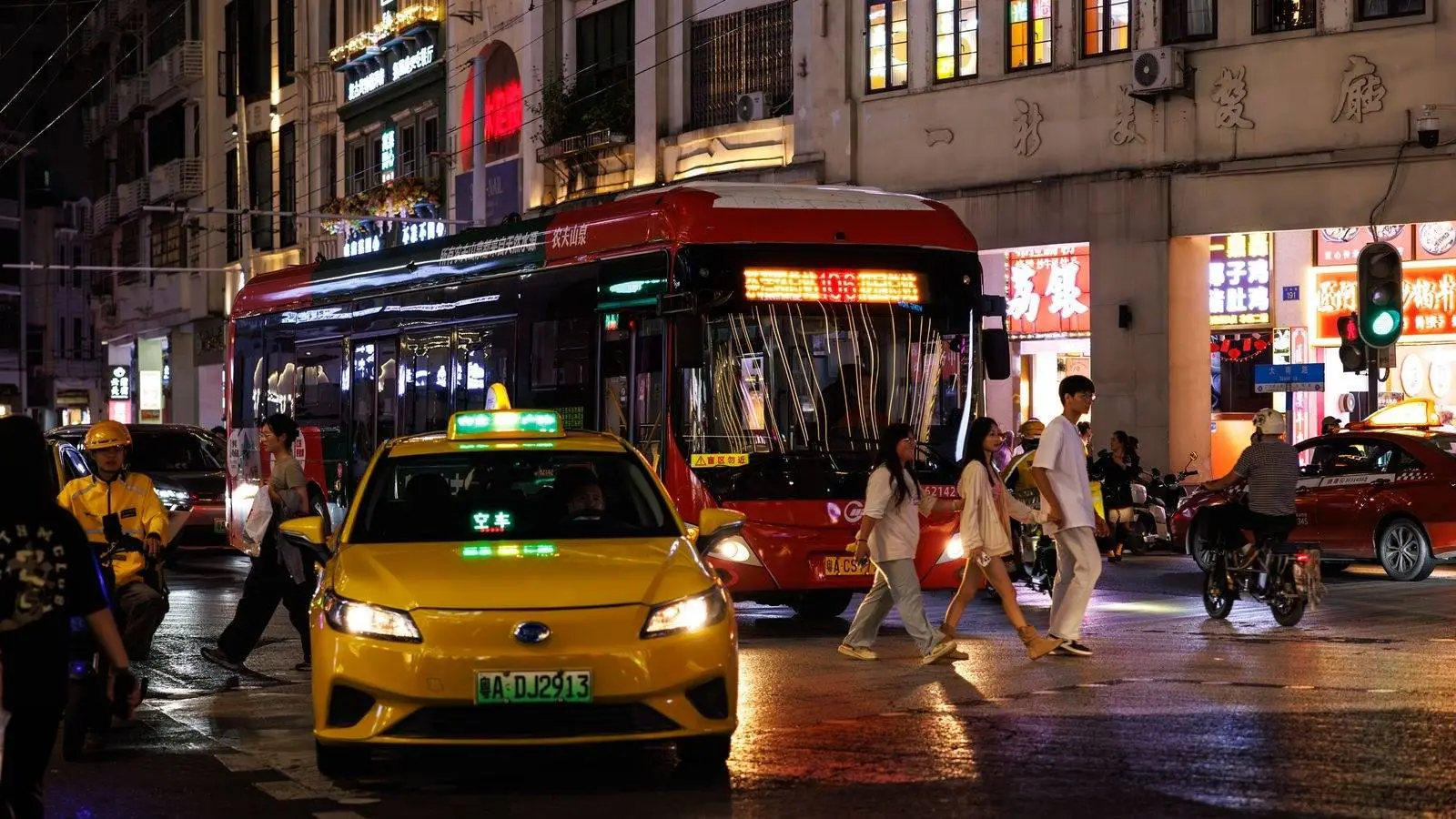
Crowds are back—and so are bad manners. Explore the most irritating tourist types, why locals bristle, and simple tourist etiquette to travel respectfully.
Travel is back in vogue—tickets are snapped up, planes are full, and the world’s favorite cities are buzzing with visitors again. But along with the crowds comes a chorus from locals who say tourists act without consideration, disrupt daily life, and blur the lines of basic etiquette. So who grates the most?
Not long ago, visitors were welcomed with open arms for the jobs and income they brought. Now, in many cities, the mood has shifted: locals increasingly stress that they live there—they’re not there to serve travelers.
And it’s not hard to see why. Mass tourism can be intrusive: streets jam up, noise builds, litter appears where it shouldn’t. Research suggests more than half of travelers realize their behavior affects residents. Even so, the friction hasn’t gone away.
1. The Lost — perpetually off course
These are the travelers who can’t make peace with a map. They get separated in crowds, fall behind tours, and constantly ask for directions, throwing off the pace and testing patience.
For locals, it’s draining: instead of everyday interactions, it’s a steady stream of pleas for help and bewildered stares.
2. The Shoppers — here for bargains, not for a sense of place
Deal hunters chase sales and fly home with suitcase lids barely closing. They clog public transport, crowd stores, and buy in bulk.
Residents often read this as a grab-what-you-can mentality rather than genuine curiosity about local culture. The better path is obvious: support local makers and buy thoughtfully.
3. The Phone-First — glued to the screen
These travelers document everything: meals, selfies, stories, video—often right in the middle of a busy walkway. They block paths, shout on speakerphone, and tune out the world around them.
Locals say this content-chasing turns the city into a film set. There’s always the simpler choice: look up, take it in, be present.
4. The Snackers — eating wherever they land
Some balk at cafés and unpack food in museums, on streets, even beside monuments. The aftermath—trash, smells, sticky benches—lingers.
It’s more than unpleasant; it chips away at a city’s look and feel, and understandably annoys those who call it home.
5. The Smokers — fumes without borders
Even where smoking rules are clear, some ignore them, lighting up on sidewalks, at museum entrances, and right next to others.
Smoke, smell, and discarded butts bother everyone—and can be dangerous, especially in hot, dry climates where fires start easily.
6. The Photographers — anything for the shot
With drones, tripods, and gear in tow, they occupy the best vantage points, slow down queues, and block views. Sometimes the perfect frame lures them into off-limits areas.
Cities have begun restricting photo shoots in crowded spots for a reason: one ambitious shooter can make dozens of others miss the moment.
One inconsiderate visitor is a nuisance; hundreds feel like a siege. Streets strain, residents feel sidelined in their own neighborhoods, and attitudes toward tourism harden.
In 2025, for instance, people in Spain and Portugal complained that their apartment buildings had turned into de facto hotels—neighbors replaced by noisy vacation groups. Sentiment like this is only growing.
It’s simpler than it looks:
A tourist is a guest. And a good guest is the one who doesn’t make life harder for the host. The Lost, the Shoppers, the Phone-First, and the rest aren’t a problem because they’re bad people—they’re a problem when they forget that wherever we go, we’re stepping into someone’s home.
Keep that in mind, and the trip becomes kinder for everyone: visitors, locals, and the city itself.