
Discover the surprising origins of geisha in Japan: the male taikomochi. Learn how geisha evolved from medieval entertainers to today’s iconic tradition.
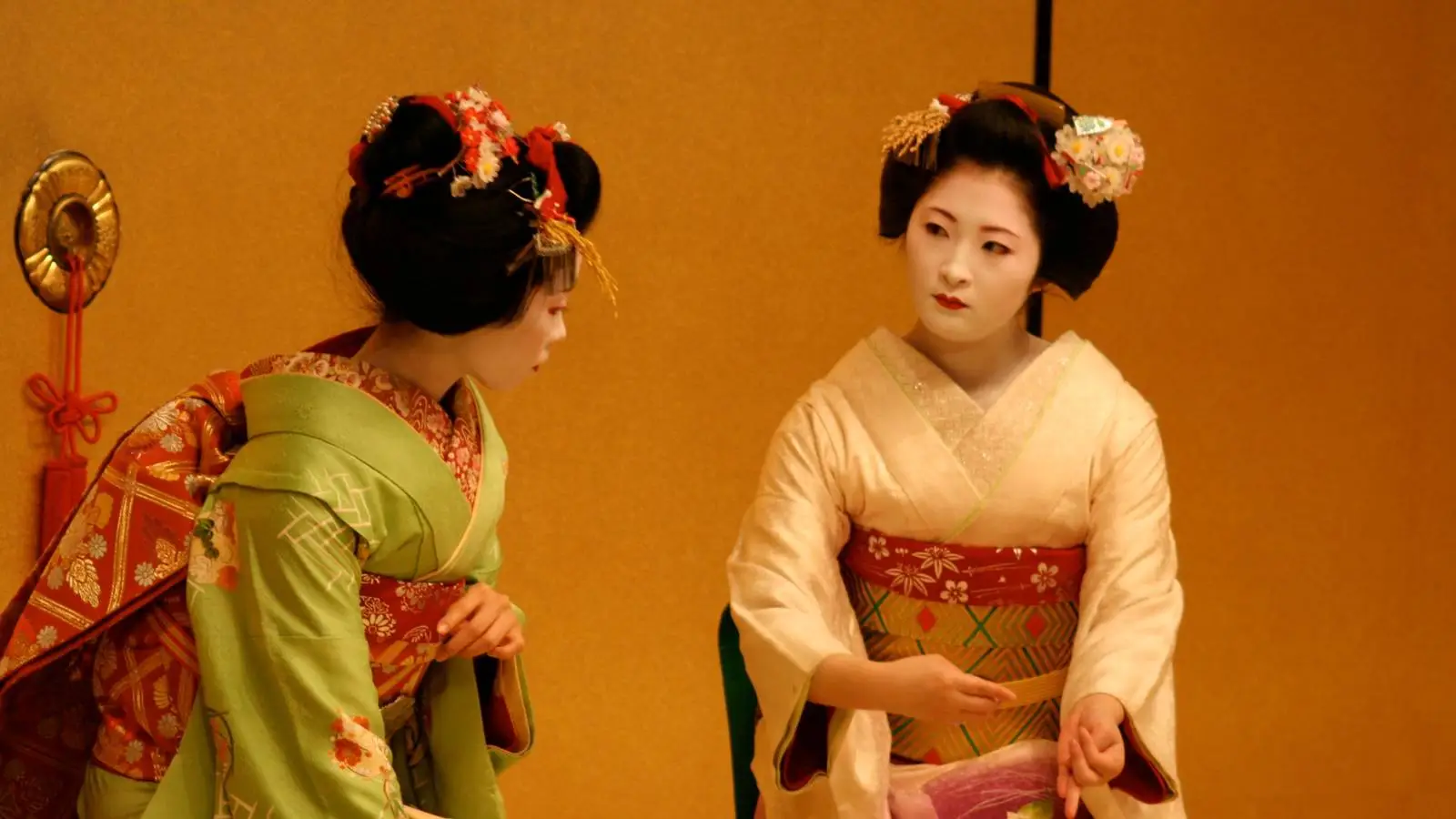
The image of the geisha has long stood for Japanese culture: an elegant woman in a kimono, face painted white, movements measured and precise. At first glance, it seems this calling was always female. Yet few realize that, at the very beginning, geisha were men.
Centuries ago, in medieval Japan, there were men known as taikomochi (or houkan). Their craft was to entertain guests: they told stories, joked, sang, played instruments, and kept conversations lively. They were the life of the gathering and virtuosos of social ease. It’s easy to see why they were prized in the homes of the wealthy and the noble.
These performers emerged around the 13th century and remained a vivid part of cultural life for a long time. One could liken them to today’s hosts or stage entertainers, only rooted in a far more traditional setting.
By the mid-18th century, the tide turned. Sources note that the first female geisha appeared in 1751. Gradually, women drew more attention—they sang, danced, and played instruments, a combination that proved especially appealing. As new towns grew and trade expanded, society’s appetite for this kind of leisure only increased.
Over time, women pushed men off this stage. Male geisha became rarer and rarer, even though they had been the pioneers.
The taikomochi profession slowly faded. By the 20th century, very few were left, and today they have nearly disappeared. The latest counts point to only about five such performers: four working in Tokyo and one in Kyoto. They keep the older tradition alive more out of dedication than for income.
Few people today even know they exist. Most assume a geisha must be a woman. But once, the story looked very different.
Although geisha today are mostly women, the essence of the profession endures: not simple diversion, but the art of conversation, the ability to set a mood, to tell a compelling story, to carry a dialogue.
What has shifted is public perception, outward style, and of course who performs. Today, “geisha” evokes the idea of Japanese femininity. Knowing how it all began, though, offers a deeper read of the tradition.
This story is not only about Japan and its culture. It traces how occupations evolve, how the roles of men and women change, and how traditions adapt to a new world. What feels “everlasting” today was once something else entirely.
Keeping that in mind helps make sense of how culture works—and invites a second look at things we thought were obvious.