
Explore Mumbai's hidden gems: Khotachiwadi, Banganga Tank, Sewri flamingos, Sassoon Dock, and Gilbert Hill—offbeat spots rich in history, nature, and life.
Mumbai is often pictured as a roaring city of crowds, Bollywood, and the Gateway of India. Yet behind all that noise hide places few ever hear about. Not the usual tourist magnets, but true gems—quiet, atmospheric, and rich with stories.
Let’s slip into those corners and meet a different Mumbai.
Guidebooks tend to spotlight the big names—the ones with buses and brochures. But the city’s “hidden” pockets rarely make top-10 lists, even though they deserve a closer look. These are the old lanes, unusual buildings, timeworn markets, and pockets of nature that fly under the radar. And that’s where the city’s character speaks most clearly.
Khotachiwadi — a slice of Europe in India
A tiny village tucked inside a megacity: narrow lanes, handsome heritage homes with balconies and verandas, all echoing Portuguese style. The neighborhood has stayed largely intact, and walking there feels like stepping back in time—a reminder that Mumbai’s past still breathes between its walls.
Banganga Tank — a waterbody with a thousand-year history
A rectangular tank ringed by temples, about a thousand years old and still used for religious rituals. It’s a quiet pocket where the past sits calmly beside the present—one of those scenes that changes how you read the city.
Sewri Fort and the flamingos
This 17th-century fort stands by the shoreline, its ruins especially striking in winter. That’s when bright pink flamingos arrive, turning the old stone backdrop into a fleeting spectacle.
Gilbert Hill — a giant rock in a residential neighborhood
A towering column of solidified lava, over 60 million years old, rising right among apartment blocks. It looks improbable, almost surreal—nature holding its ground in the middle of everyday life.
Mahim Nature Park — a green refuge near the slums
Next to Dharavi lies a genuine breathing space. Trees, birds, even butterflies—an urban break that lets residents step out of the city’s constant rush. It shows how pockets of green can quietly reset the day.
Versova Beach — fewer crowds, more soul
Less popular than other shores, and that’s part of its charm. Fisherfolk live here; boats and homes sit close to the water. Volunteers helped clear the beach of trash, and the place holds on to an understated, real-world atmosphere.
Sassoon Dock — a port wrapped in graffiti
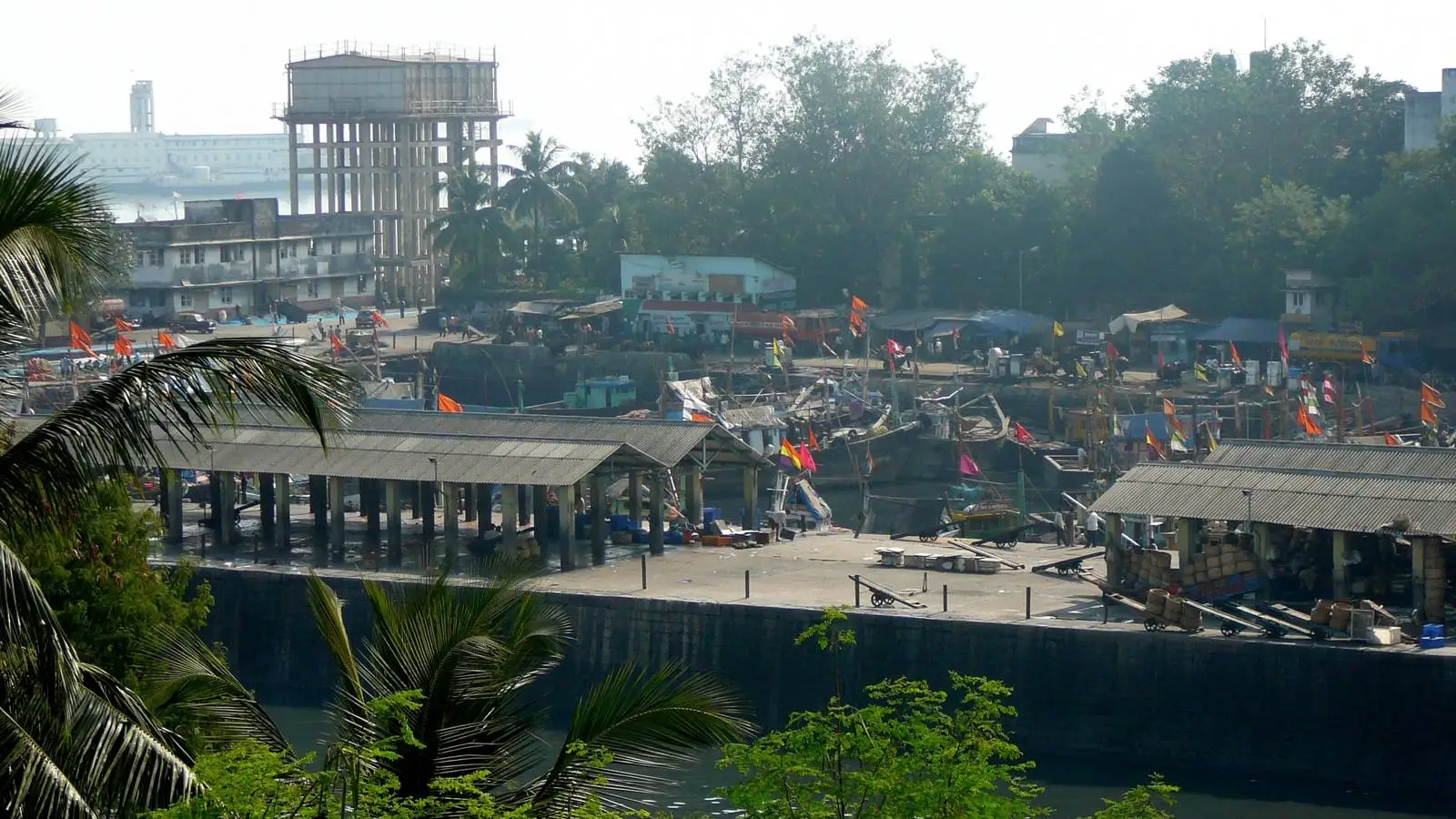
One of Mumbai’s oldest docks. Once it was all fish and unloading; now its walls carry bold street art. The clash of smells, sounds, and colors gives the place an energy that’s hard to forget.
Worli Koliwada — a fishing village within the city
The Koli community, among the first inhabitants of these shores, still keeps its way of life, with temples and traditions intact. Modern roads and high-rises loom nearby, but the village rhythm persists—steadfast and grounded.
Chor Bazaar — a market of old things
More than a marketplace, it’s a hunt for treasure: vintage radios, clocks, furniture. The mood is straight out of an old film, and browsing feels like sifting through the city’s memory.
Even without a trip, Mumbai’s feel comes through in photographs, local stories, and videos. These fragments reveal the wonders behind ordinary facades and help make sense of how the city holds so many worlds at once.
Places like Banganga Tank or Khotachiwadi come alive with context—who lives there, how the neighborhood has changed, what stood there before. They’re not just pins on a map; they’re living pieces of a vast city.
These places show Mumbai as it is—not the city of brochures, but the one shaped over centuries. People live here, traditions endure, and nature finds its footing even amid concrete.
A city is more than marquee landmarks. Its alleys, shrines, markets, and rocky outcrops hold the pulse of real life. And even if you never make it there, learning about them is already a step toward understanding a bigger world.