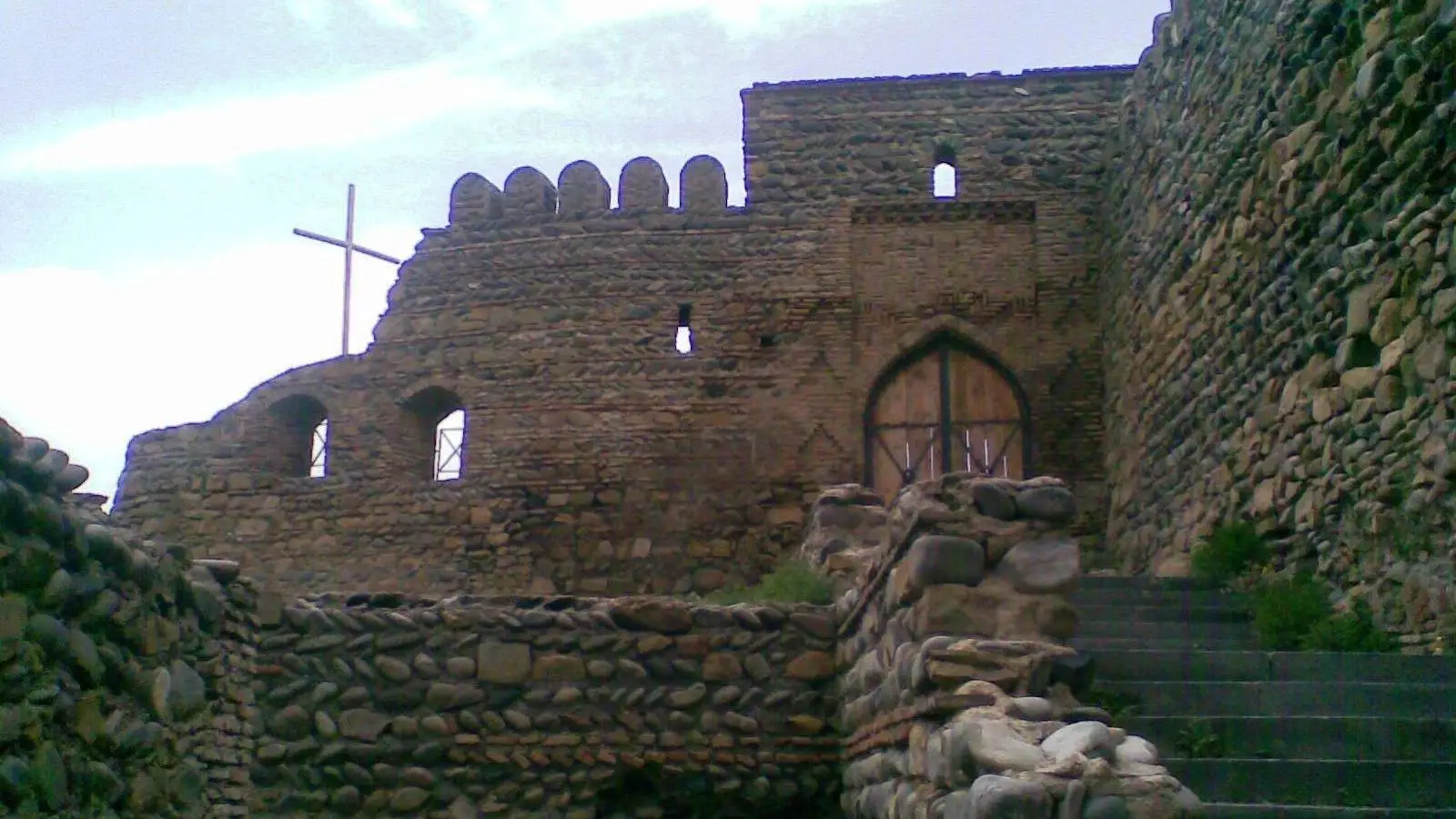
Explore Gori Fortress in Georgia: its layered history, shifting rulers, Heraclius II's rebuild, and the famed nine-door western wall. Discover its legacy.
In the heart of Georgia, in the city of Gori, an old fortress crowns a hill. It is visible from almost anywhere in town. At first glance it may look like ruins, yet the site holds a layered story of battles, shifts of power and unexpected turns.
Gori Fortress is more than a ring of ancient stone. It stands as a reminder of how a small city kept finding itself at the crossroads of larger events.
The hill offered natural defense. From up there, the surroundings are laid out like a map, and any approach is easy to spot. It is no surprise that people settled here in deep antiquity: archaeologists find traces of fortifications thousands of years old.
The first written mention dates to the 13th century, though it likely predates that. Gori lay on important trade and military routes, so the fortress played a key role in its protection.
Across the centuries, competing powers fought for the stronghold. In the 16th–18th centuries it changed hands among the Ottoman Empire, Persia and Georgian kings. Each side tried to strengthen it and rebuild it in its own way.
The turning point came under King Heraclius II. In 1774–1775 he completely rebuilt the fortress, giving it much of the appearance seen today. That is when its best-known section took shape—the western side with nine entrances. Despite later damage, this part has survived the best.
In the early 19th century, Georgia became part of the Russian Empire. From then on, the fortress lost much of its importance. It served as a military post, but there were no more battles here.
Then, in 1920, a powerful earthquake brought down portions of the walls. Since then it has stood half-ruined, yet it continues to draw attention—and not only from tourists.
The walls rise up to 10 meters high. Built of stone, they show careful defensive thinking: a ditch, a concealed water tunnel, and intricate passageways meant to slow an intruder. The western sector stands out—locals know it as Tskhrakara, a Georgian name that translates as nine doors.
This fortress illustrates how defenses were once built: sturdy, smart and made to endure.
Today Gori Fortress is no longer a military site but a monument to history. It is not as famous as some other landmarks, yet it carries potent symbolism.
It is a place where the story of Georgia can be felt—from ancient times to the royal era, from independence to incorporation into an empire.
Even if travel is not on the agenda, the fortress’s history helps make sense of how people lived, what they fought for, and how borders and power shifted.