

Discover secluded islands where silence is luxury: Niue, Kiribati, the Comoros, São Tomé and Príncipe. Visa notes, what to expect, and slow-travel allure.
Tourism is changing before our eyes. More and more travelers are growing weary of crowds and noisy beaches, choosing instead quiet, almost empty islands. They crave silence, simplicity, and nature as it is—without the bustle and endless amusements. That choice feels less like escape and more like a reset.
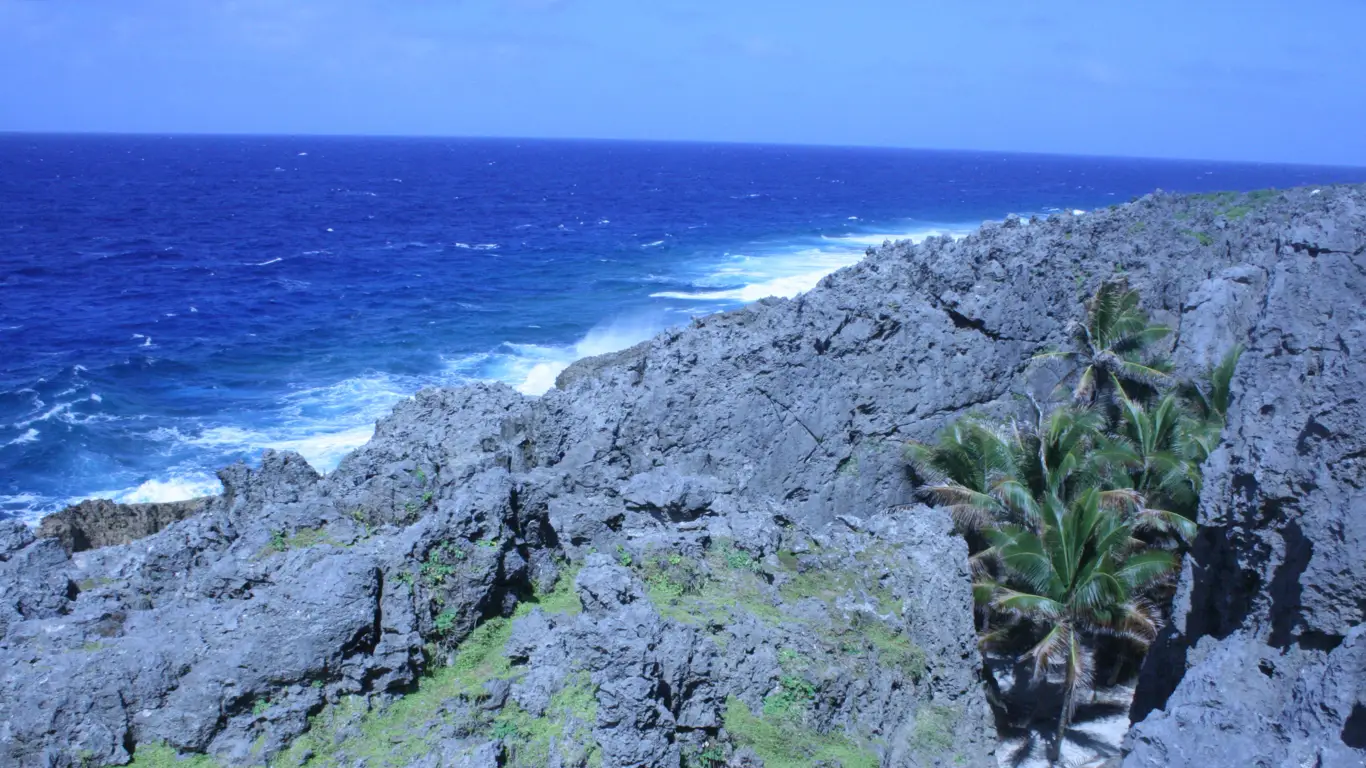
In the middle of the Pacific lies Niue, a tiny island with a population of about 1,600. There’s no rush here—just sun, sea, and a striking sense of seclusion. The water hovers around 29°C year-round, and Russians visiting for less than a month do not need a visa.
From the capital, Alofi, it’s only minutes to the village of Huvalu. The local reserve shelters rare Polynesian rodents and fruit bats. On Sundays the island falls still—noise is forbidden—and that rule gives Niue its particular aura of calm.
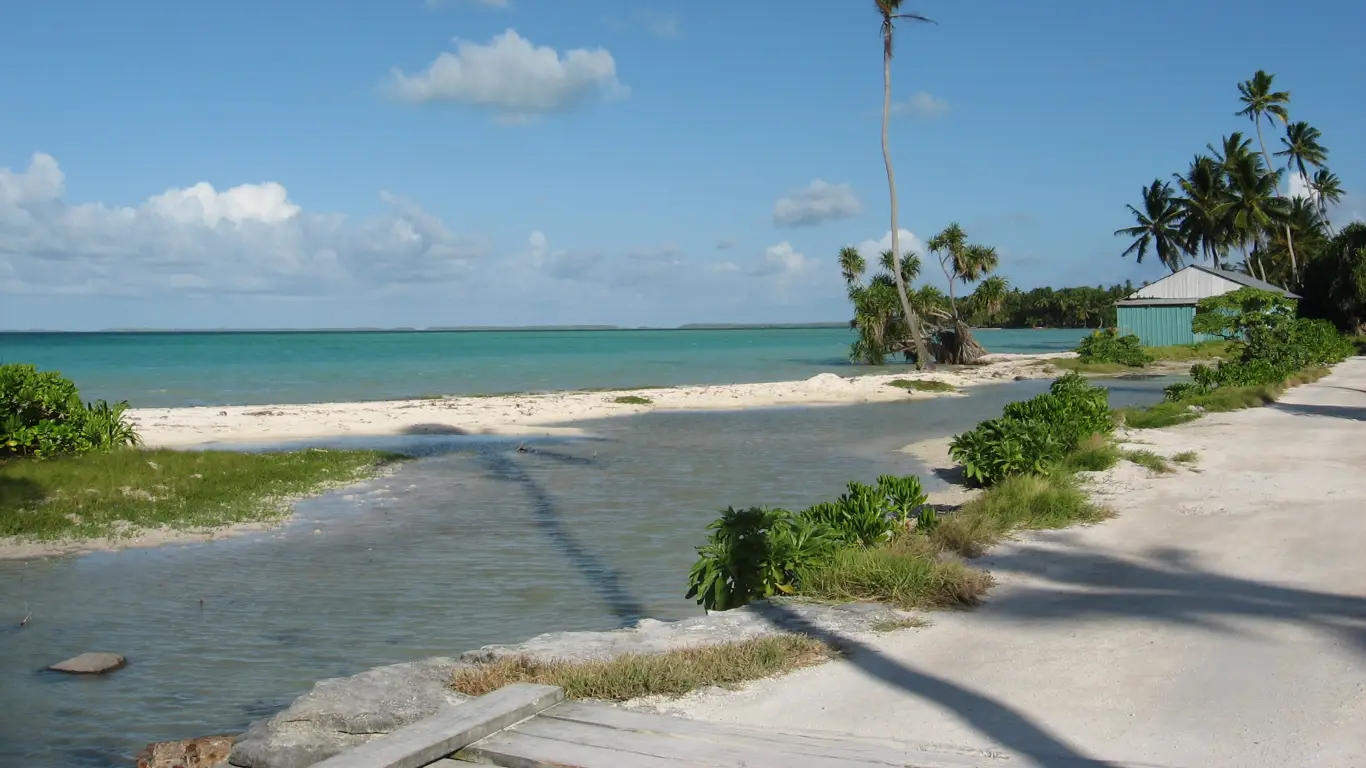
Kiribati is made up of 33 islands, with people living on only 21 of them. Just over 7,900 tourists arrive each year—modest numbers that keep the pace unhurried and the atmosphere unforced.
There isn’t much infrastructure, but the sea is pristine, and the signature pastime is bonefishing. The coral reefs are recognized by UNESCO; they put the Phoenix Islands Protected Area on the global map. It’s a destination not for hotel-hopping but for those who want nature in its raw form.
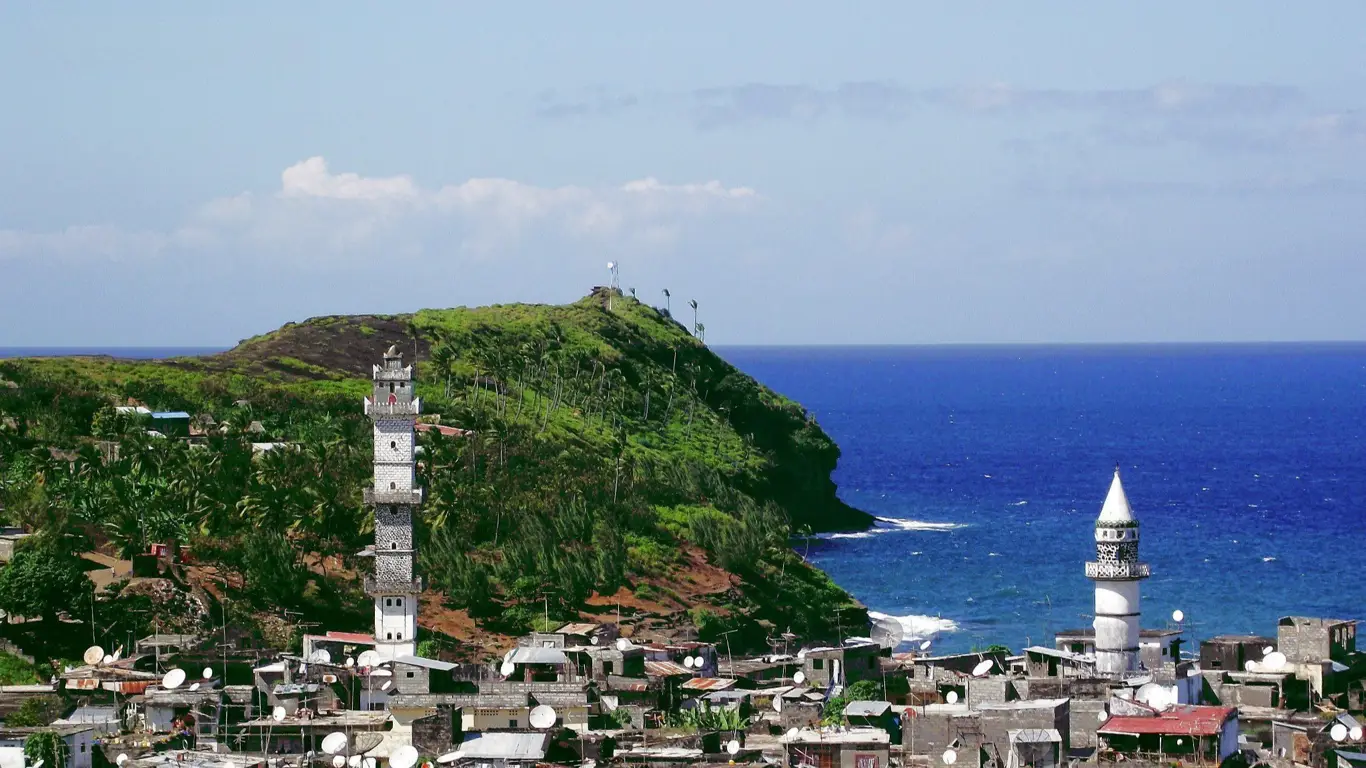
Since the days of Arab seafarers, the Comoros have been known as the Islands of Perfume—thanks to vast ylang-ylang plantations that feed high-end perfumery. The air really is laced with a sweet floral scent.
You can get a visa on arrival for €30, and the best time to go is from May to November. The Comoros are less about luxury and more about mood: sun, greenery, fragrance, and the unhurried rhythm of local life. The appeal is subtle and lingers.
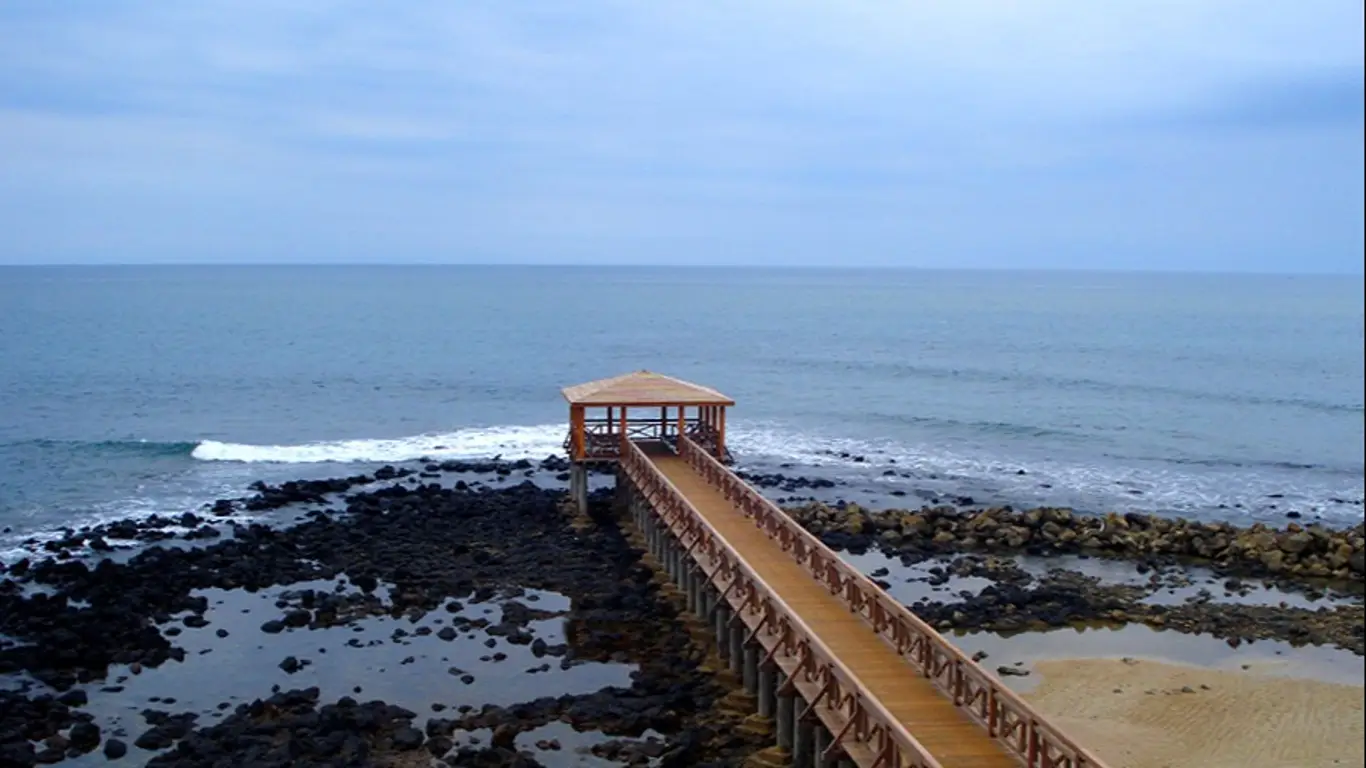
On the far side of the world, in the Gulf of Guinea, lie São Tomé and Príncipe. Few visitors make it here, and that’s part of the charm. Beaches are brushed with soft sand, and the banana trees lend a scene that feels cinematic.
At a certain time of year, sea turtles come ashore to lay their eggs. Watching it, you’re reminded that some places still move to nature’s original tempo.
More travelers now choose not resorts with pools and restaurants, but places where the sea is the soundtrack and quiet is the luxury. They want not just a change of scenery, but the sense of belonging to a world that moves slowly and gently. It’s a small, deliberate shift—and it resonates.
Perhaps these secluded islands are becoming symbols of a new kind of travel: not mass-market, but genuine, where a holiday is less a photo on social media than time reserved for yourself.