
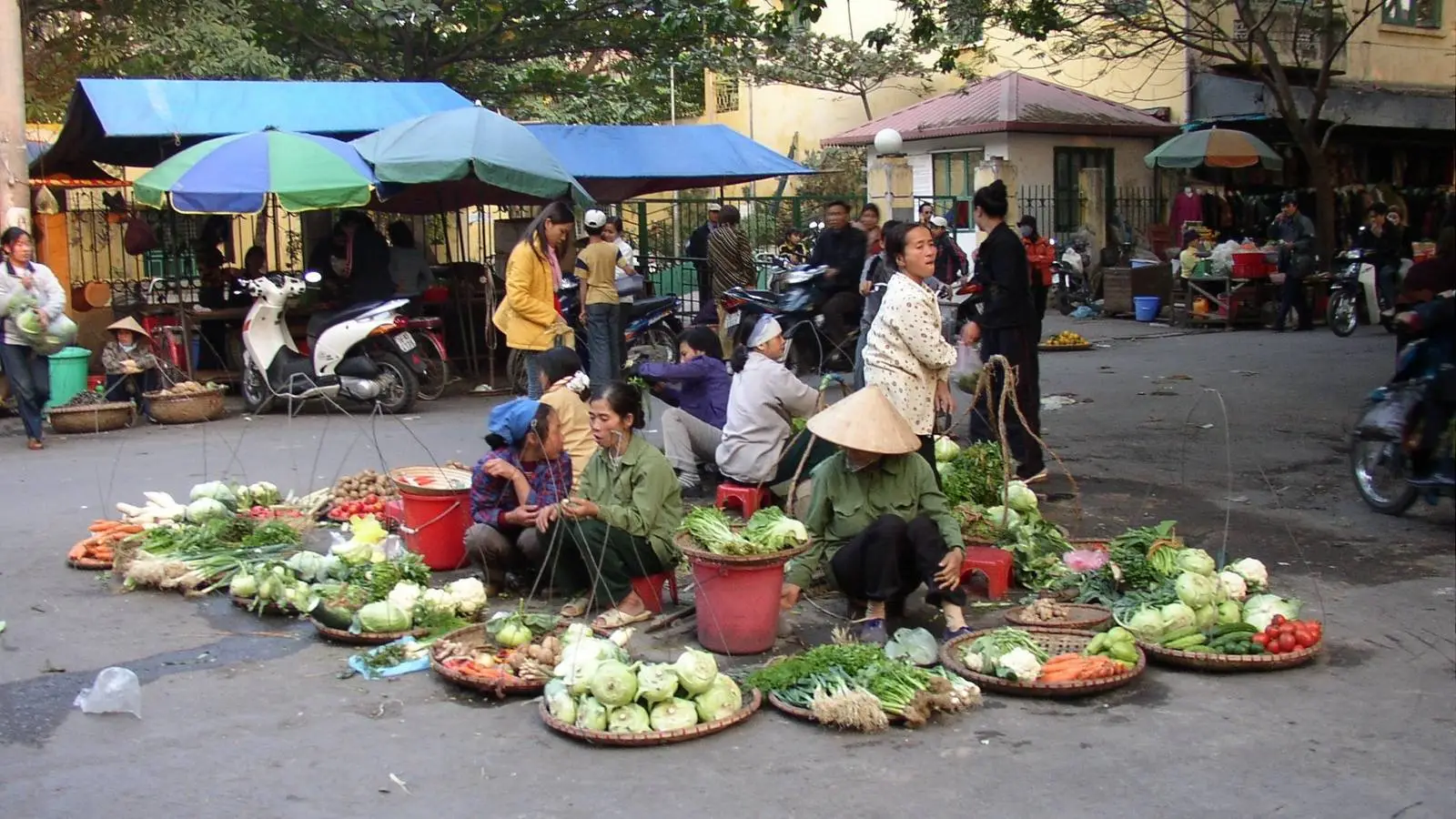
Discover why Vietnam’s street food is served on tiny plastic stools: practical and social. Learn how these low seats shape daily life and flavor in Vietnam.
If you’ve ever seen photos of Vietnamese streets, you probably noticed something curious: people everywhere perch on tiny plastic stools—low, almost child-sized. They line cafés, snack stands, and sidewalks, and life hums around them. Vietnamese people eat breakfast, grab lunch, chat, and unwind on these miniature seats. So why the small stools instead of taller, cushier chairs?
The small plastic stools are more than furniture. In Vietnam they have become a genuine emblem of street food. Local outlets report that you can spot them on virtually every corner—in big cities and small villages alike—outside cafés, in markets, beside street kitchens.
Usually the stools come with equally compact tables, turning a patch of pavement into a pocket-size café. People sit close to the ground to slurp soup, sip coffee, or talk. It’s a quick, fuss-free way to eat while staying plugged into street life.
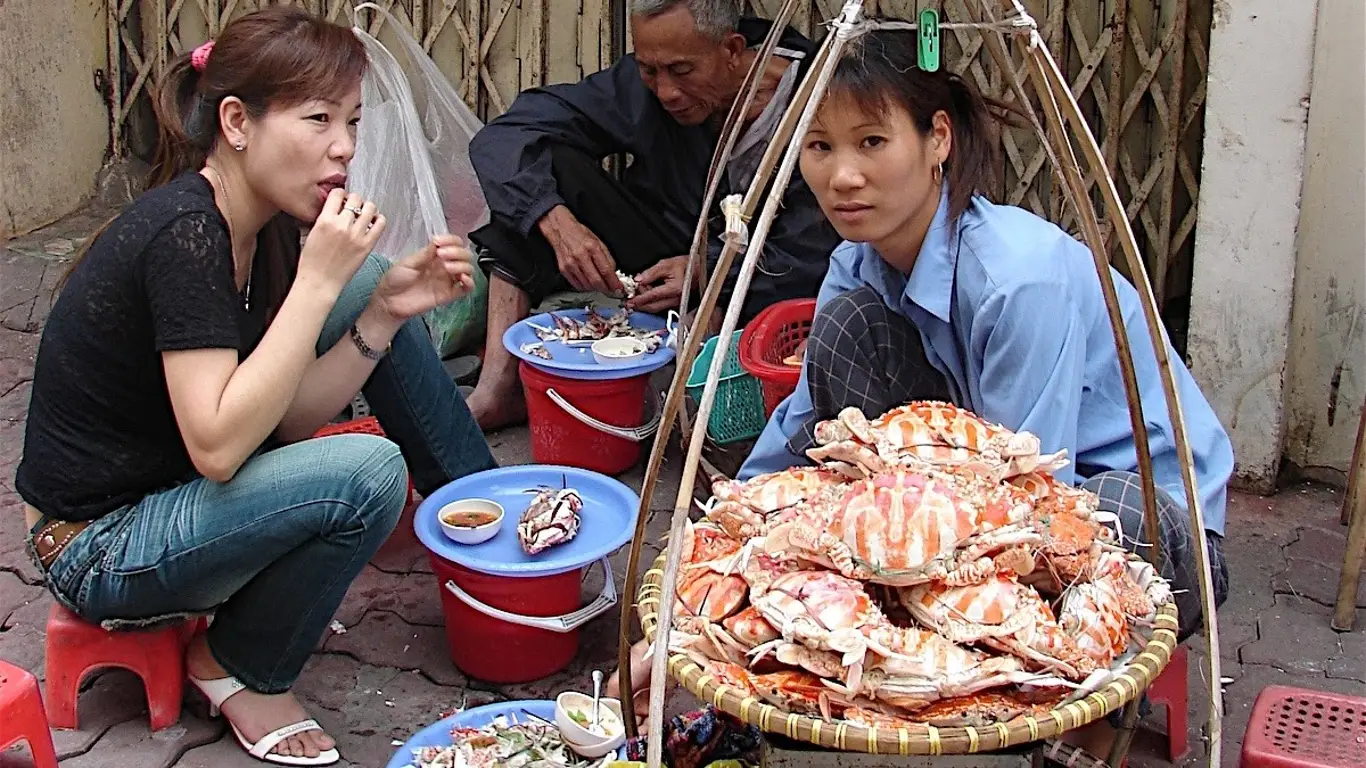
First, they’re practical for vendors. The stools are easy to carry, set out, and clear away. Vietnam’s street trade moves fast: open quickly, feed people, pack up. Mini furniture fits that rhythm perfectly.
Second, they shape a particular atmosphere. People sit close together, almost at ground level, which naturally brings them closer. It’s not a restaurant with servers and printed menus; it’s straightforward, lively food right on the street. That sense of authenticity is what many locals and travelers value.
These little stools are not just objects; they’re a marker of street culture. You see them everywhere, and they signal one thing: you’ll be fed simply and well. People gather, chat, and watch the world go by. It’s practical, but it’s also quietly warming.
Some say the habit dates back to times when street vending wasn’t officially encouraged, so furniture had to disappear fast. There’s no hard proof, but local publications mention this theory often.
Today the stools are still hugely popular, used by everyone from students to tourists. The country talks more about sustainability and tries to cut down on plastic use. Some cities are already moving to reduce single-use items. But the small plastic stools aren’t banned; they remain in daily use and in steady demand.
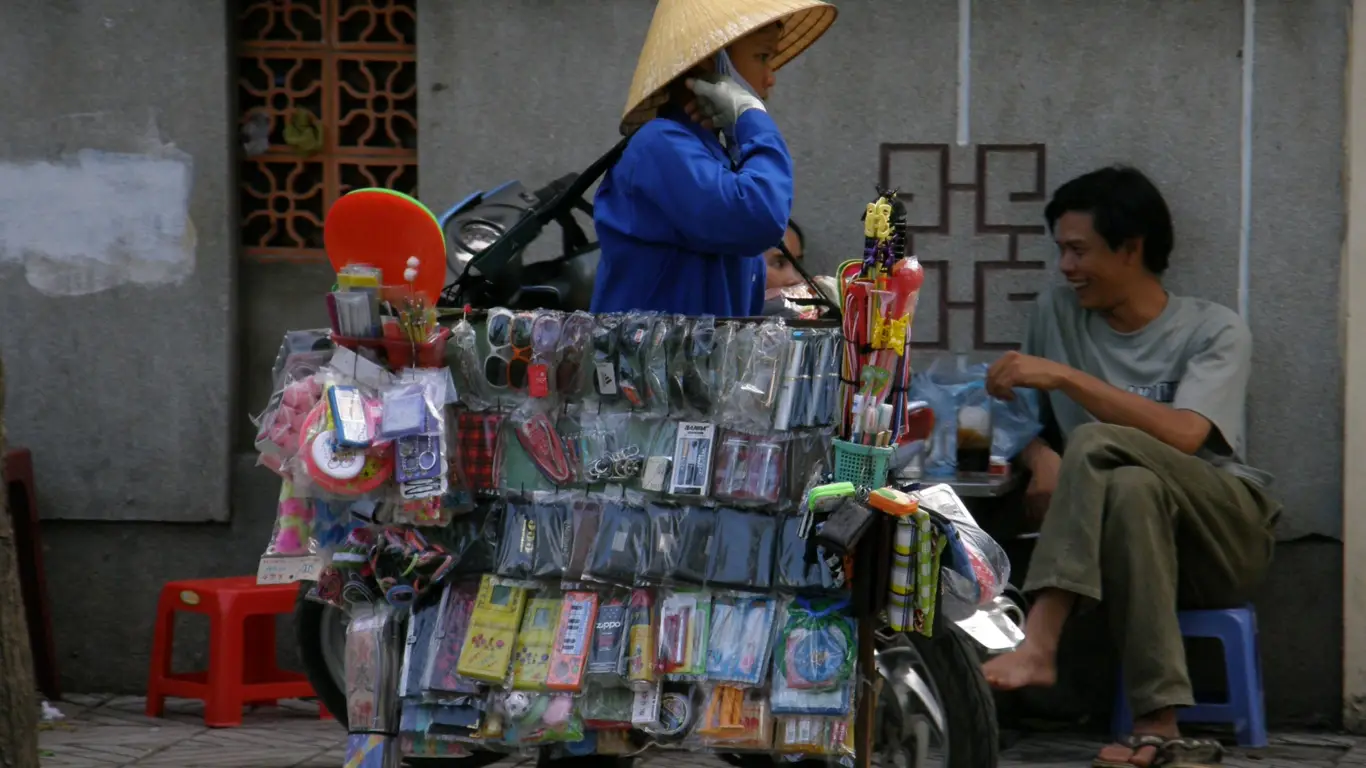
Think about it, and this humble stool tells you a lot about Vietnam: a preference for simplicity, openness, and life lived in public. Small details like this reveal the character of a place and the pace of everyday life.
In the end, it’s details—not skyscrapers or pricey dining rooms—that build a portrait of the country. A low stool lets you eat your soup, watch the street, and feel part of the scene.
The tiny plastic stool isn’t an oddity; it’s a key element of Vietnam’s daily culture. It’s simple, practical, and helps create the atmosphere that draws people to the country’s street food.