
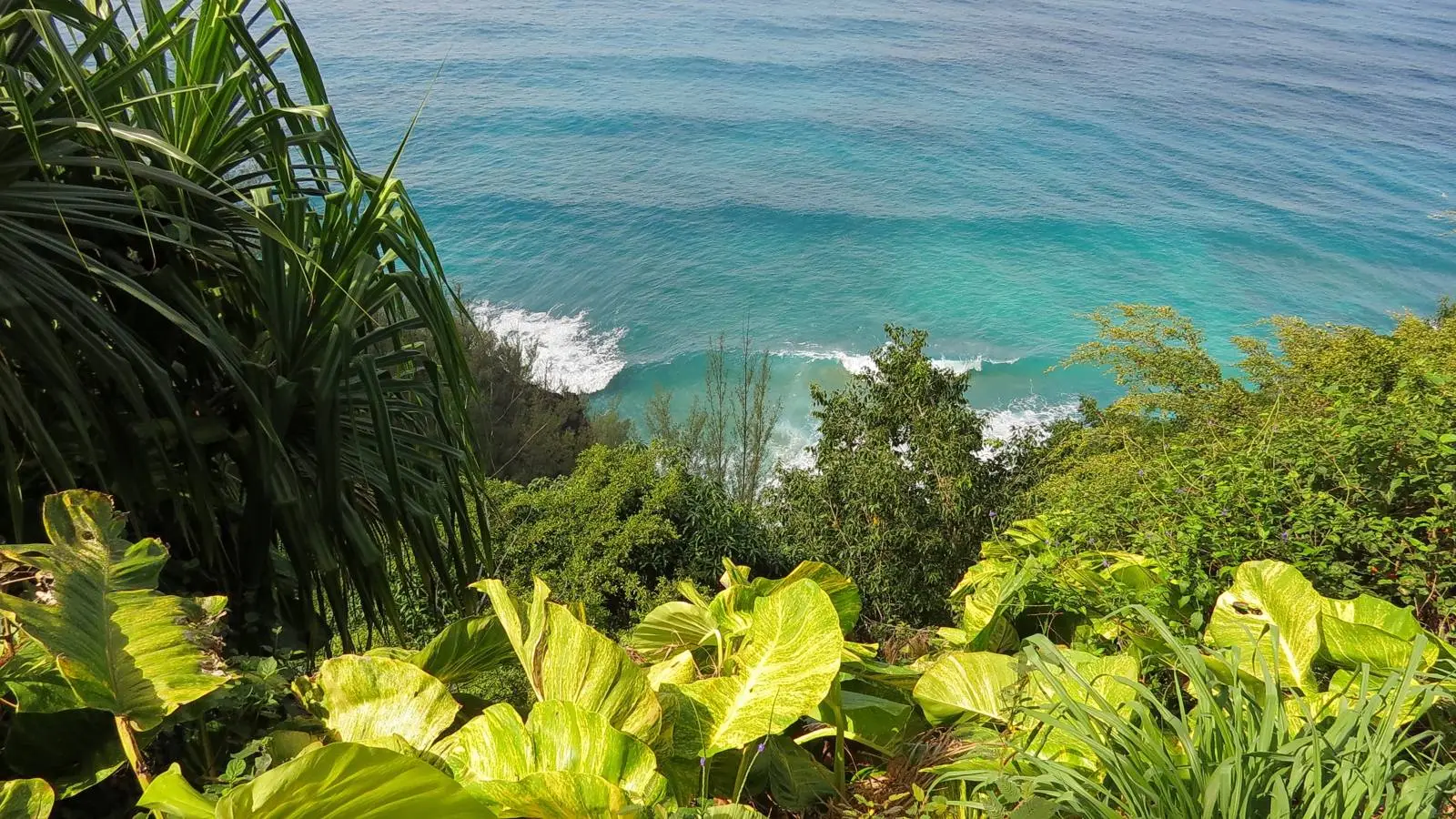
Explore the world’s most dangerous trails and roads—from Death Road to Mount Huashan and Kalalau. Learn the risks, safety tips, and when to turn back.
Every year, thousands set off not for beaches or resorts, but to measure themselves against the terrain. Some dream of inching along planks above a sheer drop, others of grinding down a mountain road without a single guardrail. These routes alarm and entice in equal measure. Spectacular vistas are wonderful, but no view is worth a reckless step—safety has to come first.
The hazards vary: narrow trails skirting cliffs with no handrails, slick rock and brutal ascents, heat that can push you into dehydration, weather that turns fast, no cell signal and no quick rescue, plus hikers who overestimate their skills. Many of these routes are officially open, which can lull people into a false sense of security. Even seasoned travelers find themselves in trouble here.
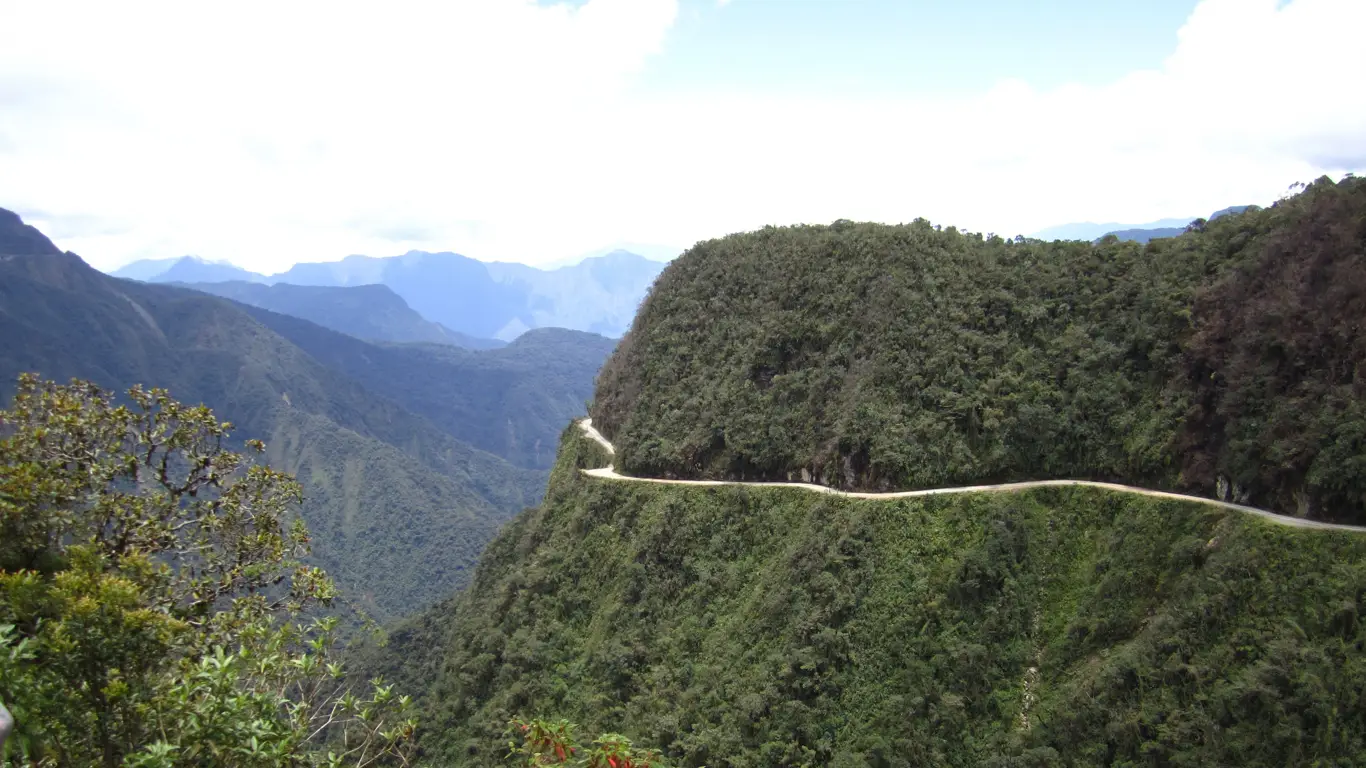
One of the world’s most notorious roads runs for more than 60 kilometers through the mountains, tracing cliff edges with no fences and no shoulder. It once carried regular traffic, and dozens of people died there each year. Cars now take a newer highway, while tourists—mostly on bikes—ride the old route. Terrifying? Absolutely. Irresistibly fascinating? Also yes. The allure is real, but the margin for error is razor-thin.

Among the most unnerving hikes anywhere: narrow wooden planks bolted to a sheer rock face, with a cable to clip into as you edge along. Below your boots—nothing but air for what feels like forever. Thousands still go for the unbelievable views. There’s no room for mistakes here, and everyone knows it.
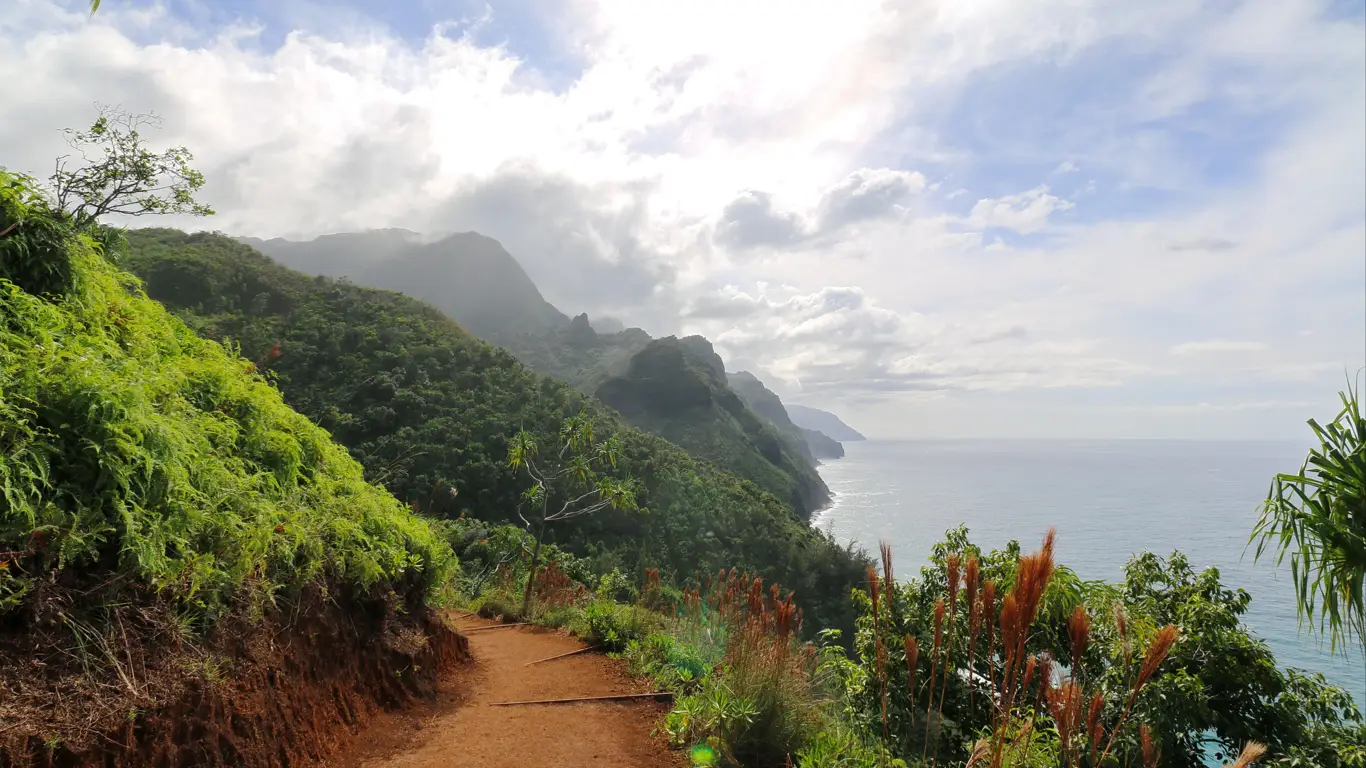
It looks like a simple jungle path, but it’s among the most perilous routes around. Rains are frequent, turning the trail slick; rivers swell and cut people off. There have been cases of hikers dying or being stranded for long stretches. The place is gorgeous—and unforgiving.
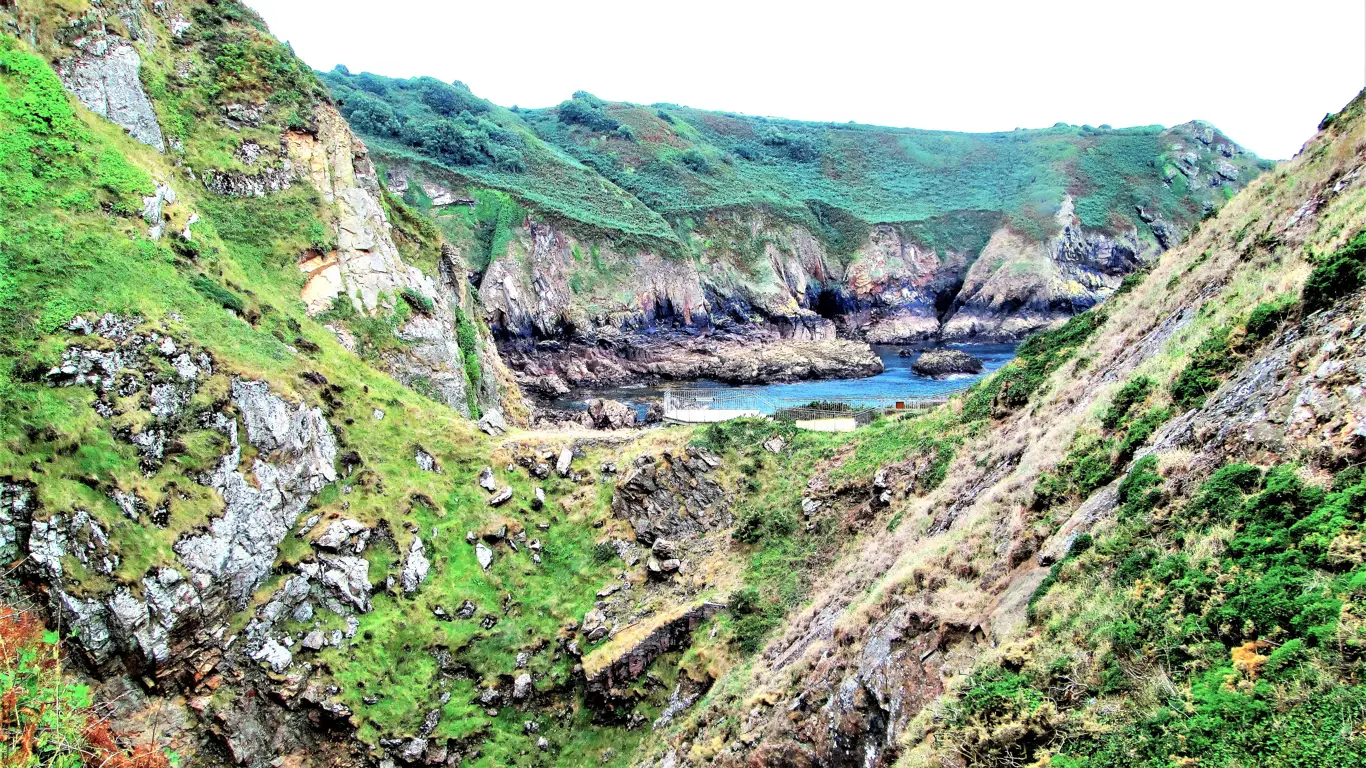
On paper, it’s a straightforward out-and-back of about 5 kilometers. Yet in 2025 a hiker died there after heat and dehydration took over. A stark reminder that even seemingly easy trails can turn deadly when conditions and preparation don’t align.

This is a true expedition for the experienced: more than 60 kilometers through high country with no signposts, exposed drops, and steep stretches. If something goes wrong, help is slow to arrive. Falls are an ever-present risk, and they do happen.

Once counted among the most dangerous routes in Europe, this cliffside path clung to rock on narrow catwalks suspended high above the gorge. It has since been rebuilt and made safer, yet the route’s fearsome past still shapes how people see it. The legend lingers, even if the handrails are new.
Some countries are tightening oversight of high-risk routes. In Japan, from 2024, climbing Mount Fuji at night is off-limits unless you have a reservation in a mountain hut. The change is aimed at safety—too many people tried for the summit underprepared. Elsewhere, rules are shifting too: headcount caps, mandatory insurance, briefings, fixed cables and handrails, professional guides. Even with these measures, many routes remain genuinely hazardous—especially when rules get ignored.
If you’re experienced, properly equipped, know the route, and keep your ego in check, then perhaps. But if it’s just to “give it a try,” better to rethink. These trails are stunning, but they’re not amusement rides. They’re about survival, grit—and the kind of respect that wild places demand.