
Explore Shanghai's hidden gems: Tianzifang lanes, People's Park matchmaking, Fuzhou Road night book market, 1933 Laochangfang, quiet corners, and ear spas.
When people talk about Shanghai, they usually picture soaring skylines, bright lights, crowds, and luxury storefronts. Step off the main streets, though, and the city shows a different face. In back alleys and quiet courtyards hide places you will not find on standard tours.
One such area is Tianzifang, a true maze of narrow lanes where lived-in homes sit next to tiny cafés, galleries, and shops selling handmade goods. Shikumen houses are still here, a blend of Chinese and European architecture. It may look a touch old-fashioned, but it is deeply cozy—more like an open-air museum that never stopped breathing.
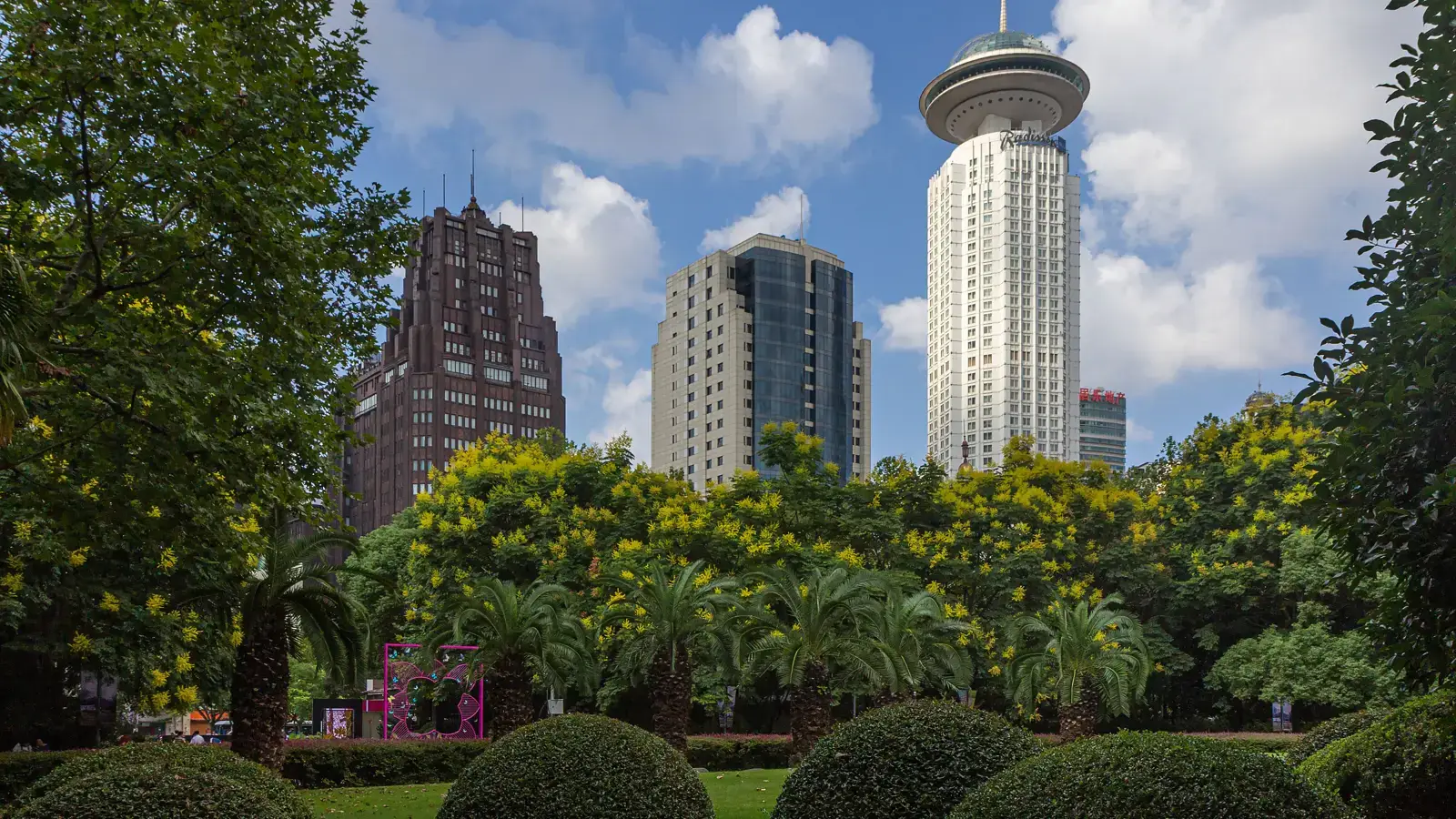
On weekends in People’s Park, something unusual unfolds: parents organize what amounts to a marriage market for their adult children. They note down age, job, height, and other details, then pin these sheets beneath umbrellas while searching for a suitable match. It feels surprising at first glance, yet for many Chinese families it is routine—and a clear sign of how tradition and modernity comfortably share space in Shanghai.
Fuzhou Road is a book-lover’s district, and the night book market is particularly compelling. It is not loud, more a hushed corner where you can find old titles, rare editions, and simply leaf through pages that catch your eye.
It suits anyone who cherishes a cozy atmosphere and unhurried browsing among shelves, even if those shelves belong to just a few stalls.
The 1933 Laochangfang building used to be a slaughterhouse. Today it has become a stylish arts space, all winding staircases, arches, and corridors. Exhibitions and concerts take place here, and artists and designers use the space for work—a pointed example of how the city reimagines the old and gives it new life.
For all its noise and energy, Shanghai still keeps pockets of calm. Small courtyards, parks, and old lanes rarely visited by tourists offer a different tempo.
These are the places where the city’s true rhythm is easiest to feel. There are no billboards or crowds—just small shops, weathered signs, and elderly women selling tea. It is the city with its guard down.
Among Shanghai’s more unusual spots are salons that offer not only a haircut but also an ear massage, a service often called an ear spa. People say it is relaxing, though many stop by at first simply to see what it is like. For anyone curious about the city’s unexpected side, these places can be a pleasant surprise.
To see the less obvious Shanghai, slow the pace. Choose an alley over the main road. Skip the subway and walk. Weekday mornings work best, when the city is just waking up and its atmosphere is easiest to catch.
Many blogs suggest stepping into unfamiliar courtyards or picking a café without a sign—precisely the kind of places where the most intriguing corners tend to hide.
.svg)